Volkswagen Plans 60 New and Upgraded Models to Counter European Decline
Volkswagen will launch 60 new and refreshed models by the end of 2013 and expand its dealer network in emerging markets to offset falling sales in Europe.

Volkswagen (VW) is set to introduce 60 new and refreshed models by the end of 2013, aiming to counteract falling sales in its core European market. The German automaker is also expanding its presence in emerging markets, seeking growth opportunities beyond Europe’s borders. This approach is intended to maintain momentum as the company faces challenges stemming from the ongoing European debt crisis.
Volkswagen Responds to European Sales Decline
Sales Performance and Market Shift
In the first quarter of 2013, Volkswagen reported a 5.1% increase in global deliveries, reaching 2.27 million vehicles. While sales in Europe have softened, VW has managed to offset this decline by increasing deliveries in markets such as Russia, China and the United States. These regions have become increasingly important to Volkswagen’s strategy, providing a buffer against the weaker European market.
Chief Executive Martin Winterkorn addressed the company’s shareholders in Hanover, describing the European debt crisis as a continuing source of disruption. He emphasised that Volkswagen’s global reach and aggressive product strategy would help the group stay on course, regardless of wider economic conditions. The company’s ability to maintain growth in a challenging environment demonstrates the effectiveness of its international approach.
Product Offensive: 60 New and Upgraded Models
Central to Volkswagen’s strategy is a major product offensive. By the end of 2013, VW plans to launch 60 new and updated models across its various brands. This includes key volume vehicles such as the seventh-generation Golf, which remains a cornerstone of the group’s European line-up. The Golf’s continued evolution is seen as essential to maintaining VW’s competitive position in its home region.
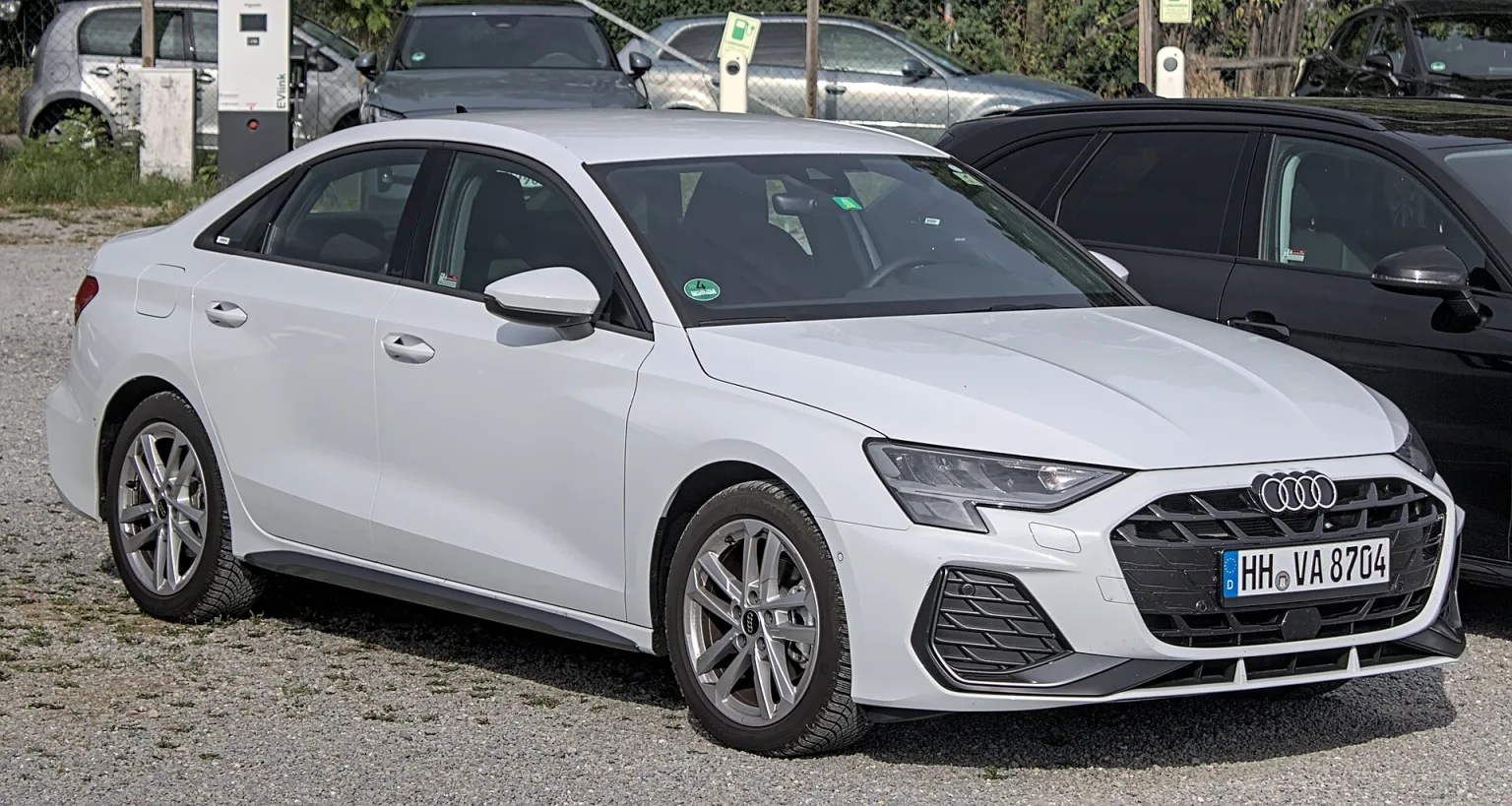
The model rollout also features significant updates from Audi, Škoda and SEAT. Audi, for example, has refreshed the A3 hatchback and will introduce a sedan version targeted at customers in the United States and China, where compact saloons are particularly popular. This reflects a broader effort to tailor products to the preferences of specific markets, ensuring that VW’s offerings remain relevant and appealing worldwide.
The breadth of this model push is designed to keep showrooms active and attract new customers. By refreshing and expanding its line-up, Volkswagen aims to generate excitement and maintain sales momentum even as some markets slow. This approach also allows the company to respond quickly to changing consumer tastes and regional trends.
Global Expansion: Dealership Network Growth
Beyond its product plans, Volkswagen is investing heavily in its global dealer network. The company intends to open 1,500 new dealerships in emerging markets over the medium term, adding to its existing network of 20,000 outlets worldwide. This expansion is a key part of VW’s strategy to boost its presence in fast-growing regions and reduce reliance on mature European markets.
Emerging markets such as Russia and China have already contributed significantly to Volkswagen’s recent sales gains. By increasing its dealership footprint, VW hopes to make its vehicles more accessible to new customer bases and strengthen its brand presence in these regions. The company sees this as vital to achieving its ambition of becoming the world’s largest automaker by 2018, surpassing rivals General Motors and Toyota.
Ambitions for Global Leadership
Volkswagen’s long-term goal is to claim the top spot in the global automotive industry by 2018. The combination of a major product offensive and a rapidly expanding dealership network is intended to drive growth and increase market share worldwide. The company’s strategy relies on both defending its position in established markets and capturing new opportunities in developing regions.
The focus on emerging markets is particularly important as European sales remain under pressure. By diversifying geographically and offering a broad range of updated products, Volkswagen is positioning itself to weather economic uncertainty and maintain its trajectory towards global leadership.
Conclusion: Outlook for Volkswagen in 2013
Volkswagen’s response to the challenges in Europe is both ambitious and multifaceted. By launching 60 new and upgraded models and expanding its dealership network in key growth markets, the company is working to offset regional declines and secure its place among the world’s leading automakers. The success of this strategy will depend on continued demand in emerging markets and the ability of new products to attract buyers globally. As the automotive industry faces ongoing uncertainty, Volkswagen’s actions in 2013 will be closely watched by competitors and analysts alike.