Ford Taurus EcoBoost Four-Cylinder Achieves 32mpg Highway in EPA Tests
The 2013 Ford Taurus with the 2.0-litre EcoBoost engine receives a 20/32mpg city/highway EPA rating, outpacing key V6 rivals in fuel economy for large US saloons.
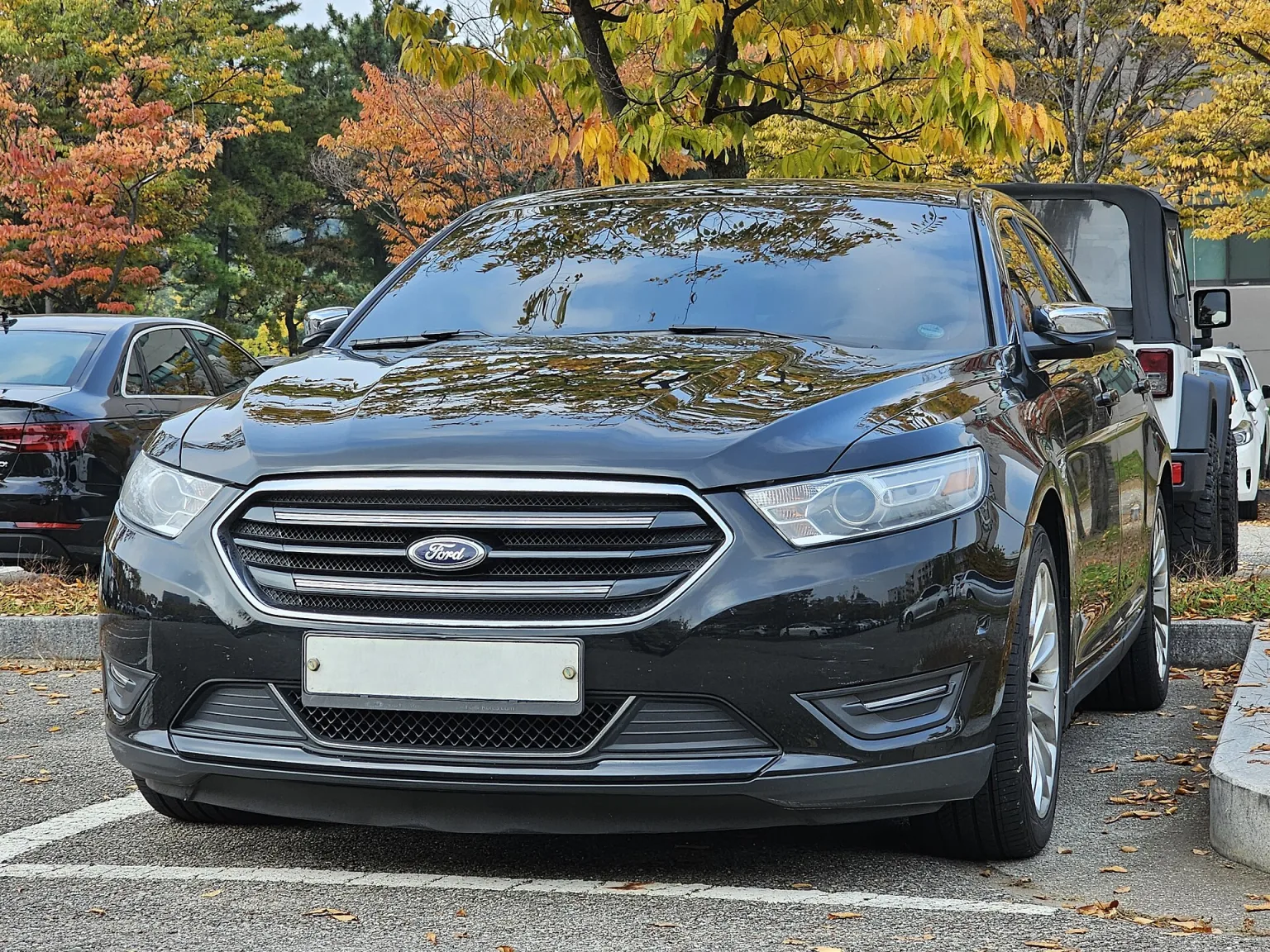
Ford’s 2013 Taurus, now available with the 2.0-litre EcoBoost four-cylinder engine, has received its official fuel economy figures from the US Environmental Protection Agency (EPA). This new engine option is rated at 20mpg in the city and 32mpg on the highway, with a combined figure of 26mpg. These numbers highlight Ford’s efforts to deliver a full-size saloon that offers improved efficiency without a significant compromise in performance or comfort.
Introduction to the 2013 Ford Taurus EcoBoost
EcoBoost Engine Details and Efficiency Gains
The 2.0-litre EcoBoost engine is a turbocharged four-cylinder petrol unit, engineered to strike a balance between performance and fuel savings in Ford’s largest US saloon. Compared to the standard front-wheel-drive Taurus fitted with a V6, which is rated at 19mpg city and 29mpg highway, the EcoBoost model offers improvements of one mile per gallon in the city and three miles per gallon on the highway. The combined rating rises to 26mpg, making it an appealing choice for buyers seeking lower running costs while retaining the space and amenities expected in a full-size car.
Ford’s introduction of the EcoBoost engine in the Taurus reflects a wider industry movement towards smaller, turbocharged engines in larger vehicles. This trend is driven by the need to meet increasingly stringent fuel economy regulations, especially in the US market, while still providing the power and features that consumers expect from a large saloon. The EcoBoost engine technology is designed to deliver both efficiency and usable performance, making it a key part of Ford’s strategy for its larger models.
Comparison with Rivals: Fuel Economy and Engine Choices
When compared to its main competitors, the 2.0-litre EcoBoost Taurus edges ahead in terms of fuel efficiency. The 2012 Chrysler 300 and Dodge Charger, both equipped with a 3.6-litre V6 and eight-speed automatic transmission, are rated at 19mpg city and 31mpg highway. The Taurus’s numbers give it a marginal but marketable advantage in a segment where buyers are paying closer attention to running costs and environmental impact. Even small improvements in fuel economy can be a deciding factor for customers choosing between full-size saloons.
| Model | Engine | City (mpg) | Highway (mpg) |
|---|---|---|---|
| Ford Taurus (2013) | 2.0L EcoBoost I4 | 20 | 32 |
| Chrysler 300 (2012) | 3.6L V6 | 19 | 31 |
| Dodge Charger (2012) | 3.6L V6 | 19 | 31 |
| Ford Taurus (2013) | 3.5L V6 | 19 | 29 |
| Ford Taurus SHO (2013) | 3.5L twin-turbo V6 | 17 | 25 |
The Taurus’s advantage may appear modest on paper, but in a competitive market, every increment in efficiency counts. For drivers covering significant annual mileage, these gains can translate into real savings at the fuel pump over the vehicle’s lifespan.
Positioning Within the Taurus Range
Within the Taurus line-up, the 2.0-litre EcoBoost sits below the performance-oriented Taurus SHO. The SHO utilises a 3.5-litre twin-turbo V6 producing 365hp, but returns a lower 17mpg city and 25mpg highway. While the SHO is aimed at buyers seeking high performance, the EcoBoost model targets those who prioritise efficiency but still desire the space, comfort, and features of a full-size saloon. This gives Ford a broader appeal, catering to both performance enthusiasts and those focused on running costs.
Market Availability and Anticipated Impact
The 2013 Ford Taurus EcoBoost is scheduled to reach US dealerships later in 2012. Final pricing details will be announced closer to the on-sale date. Ford’s move to offer a downsized, turbocharged engine in its flagship saloon is expected to attract buyers who may have previously overlooked large cars due to concerns about fuel economy. The EcoBoost Taurus could appeal to both private buyers and fleet operators looking to reduce operating costs without sacrificing the practicality and comfort of a full-size vehicle.
Industry observers note that the Taurus’s improved efficiency may also help Ford meet broader corporate average fuel economy (CAFE) targets in the US. With stricter standards on the horizon, offering more efficient options in large vehicles is likely to become even more important for manufacturers. The Taurus EcoBoost’s entry into the market signals Ford’s intention to remain competitive as consumer priorities shift towards efficiency and lower emissions.
Summary of Key Points
- The 2013 Ford Taurus with the 2.0-litre EcoBoost four-cylinder engine achieves 20mpg city, 32mpg highway, and 26mpg combined (EPA figures)
- It outperforms V6-powered rivals such as the Chrysler 300 and Dodge Charger in fuel economy
- The EcoBoost engine represents Ford’s strategy to balance performance with efficiency in its largest saloon
- The Taurus EcoBoost will be available in US dealerships later in 2012, with pricing to be confirmed
- This model broadens the Taurus’s appeal to efficiency-focused buyers as well as traditional full-size car customers