Volkswagen Golf Mk7 debuts with lighter platform and new tech
The seventh-generation Volkswagen Golf was unveiled in Berlin, introducing the MQB platform, reduced weight, and a host of new safety and driver assistance features.
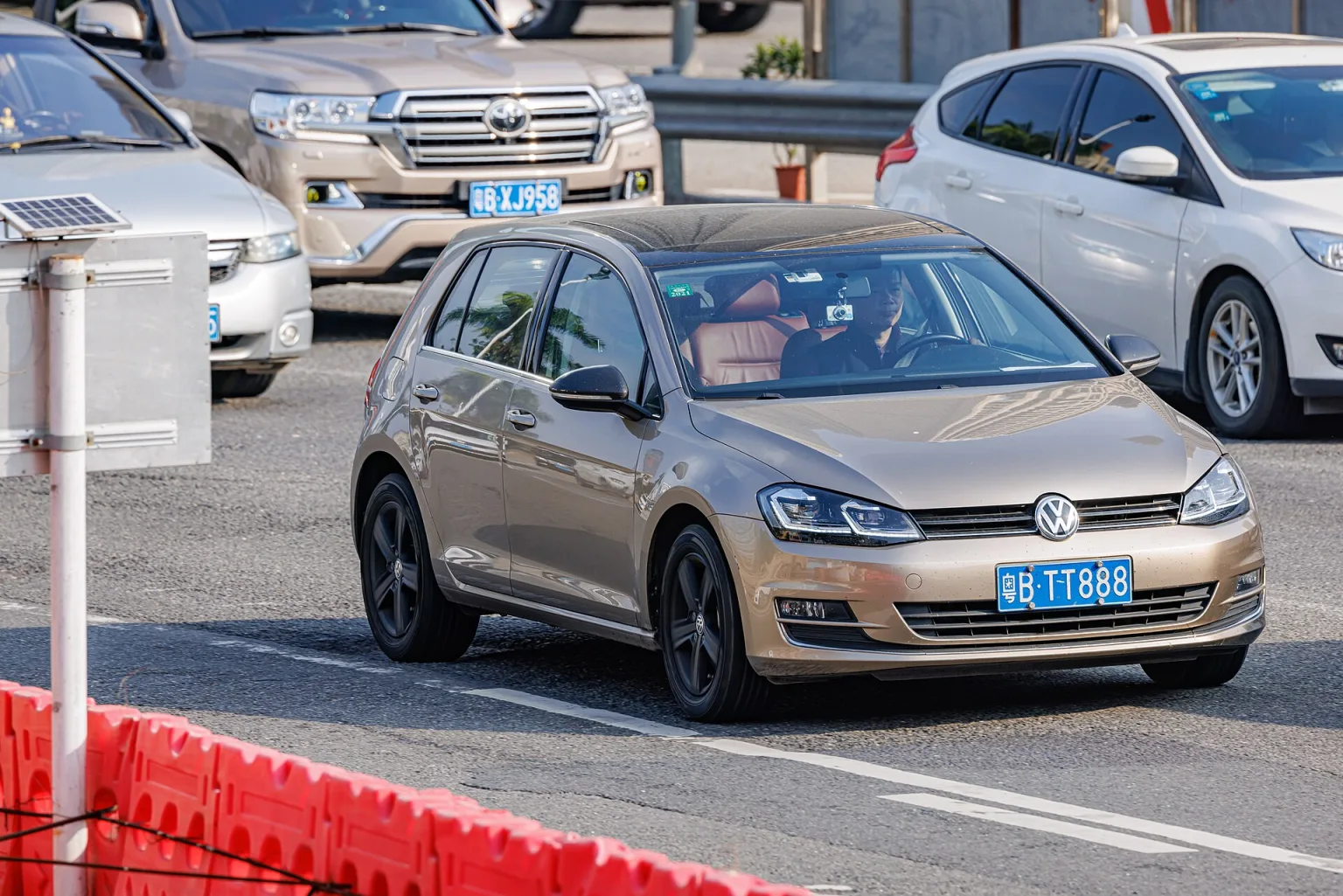
Volkswagen pulled the covers off the seventh-generation Golf at a launch event in Berlin, revealing a car built on the group’s new MQB modular platform. European sales are scheduled to begin in November 2012, with other markets to follow in 2013.
The Golf Mk7 is the second Volkswagen Group model to use the MQB architecture, following the Audi A3. The new platform underpins a body that is both larger and lighter, with Volkswagen claiming a weight reduction of up to 100kg compared to the outgoing Mk6. This drop comes from savings across the electrical system, engines, running gear and superstructure.
Dimensions have grown slightly, with the new Golf measuring 4,255mm in length (56mm longer), 2,637mm in width (59mm wider), and standing 1,452mm tall (28mm lower). Interior space has also increased, offering an extra 14mm for front passengers and 15mm more rear legroom.
Engines and efficiency
At launch, the Golf Mk7 offers a pair of turbocharged petrol engines: a 1.2-litre with 85bhp and a 1.4-litre with 138bhp. Diesel options include a 1.6-litre unit producing 103bhp and a heavily revised 2.0-litre with 148bhp. All engines come with stop/start and battery regeneration as standard, targeting lower CO2 emissions and improved fuel economy.
A GTI variant with a 165kW 2.0-litre TSI engine was mentioned but not confirmed at launch. Volkswagen also indicated plans for hybrid and all-electric E-motion versions in the future, though no technical details or dates were provided at the unveiling.
Safety and driver assistance
Volkswagen has equipped the new Golf with a range of active safety and driver assistance features. The multicollision brake system automatically applies the brakes after a collision to reduce further impact. Proactive occupant protection (PreCrash) tightens seatbelts when a potential accident is detected. Adaptive cruise control and Front Assist help maintain safe distances in traffic, with City Emergency Braking intervening below 30km/h to avoid low-speed collisions.
- Fatigue detection system warns if the driver’s concentration lapses
- Lane Assist helps keep the car in its lane
- Progressive steering is available as an option for improved handling
- Electric parking brake and Dynamic Light Assist are also offered
Three trim levels will be available at launch: Trendline, Comfortline and Highline. Equipment varies by market, but the focus is on improved safety, efficiency and comfort across the range.
Market context and rivals
The Golf Mk7 enters a competitive segment, with rivals such as the Peugeot 308, Renault Megane and the BMW 1 Series also recently updated or due for replacement. Volkswagen’s decision to move quickly with further variants, including performance and alternative powertrains, follows a strategy seen across the sector.
The new Golf will make its public debut at the Paris Motor Show in late September 2012, before reaching showrooms in Europe in November. Further details on pricing and additional models are expected closer to launch.