2016 BMW X1 debuts at Frankfurt with new platform and engines
BMW has launched the second-generation X1 at the 2015 Frankfurt Motor Show, introducing a new front-wheel drive platform, updated styling and a revised engine line-up.
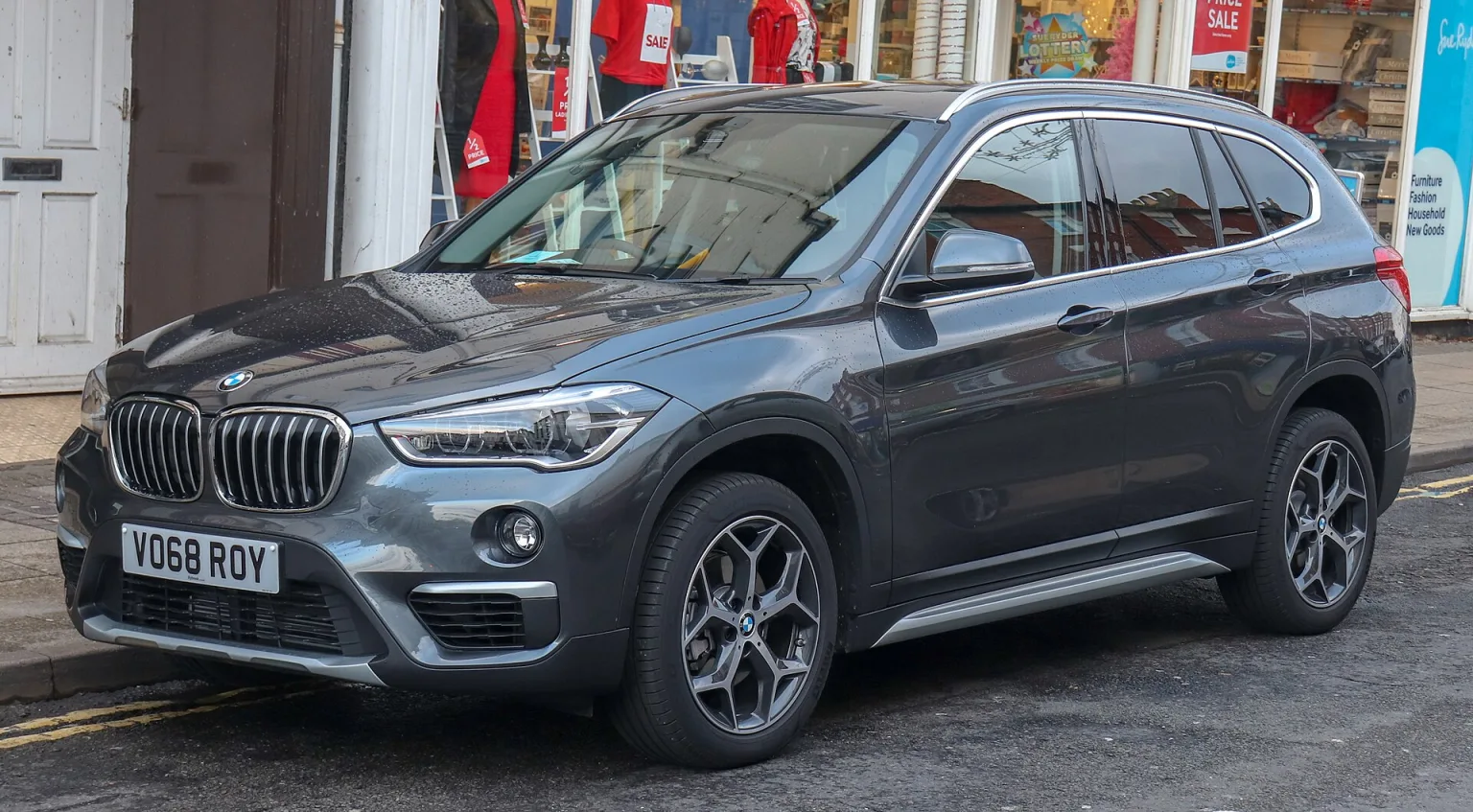
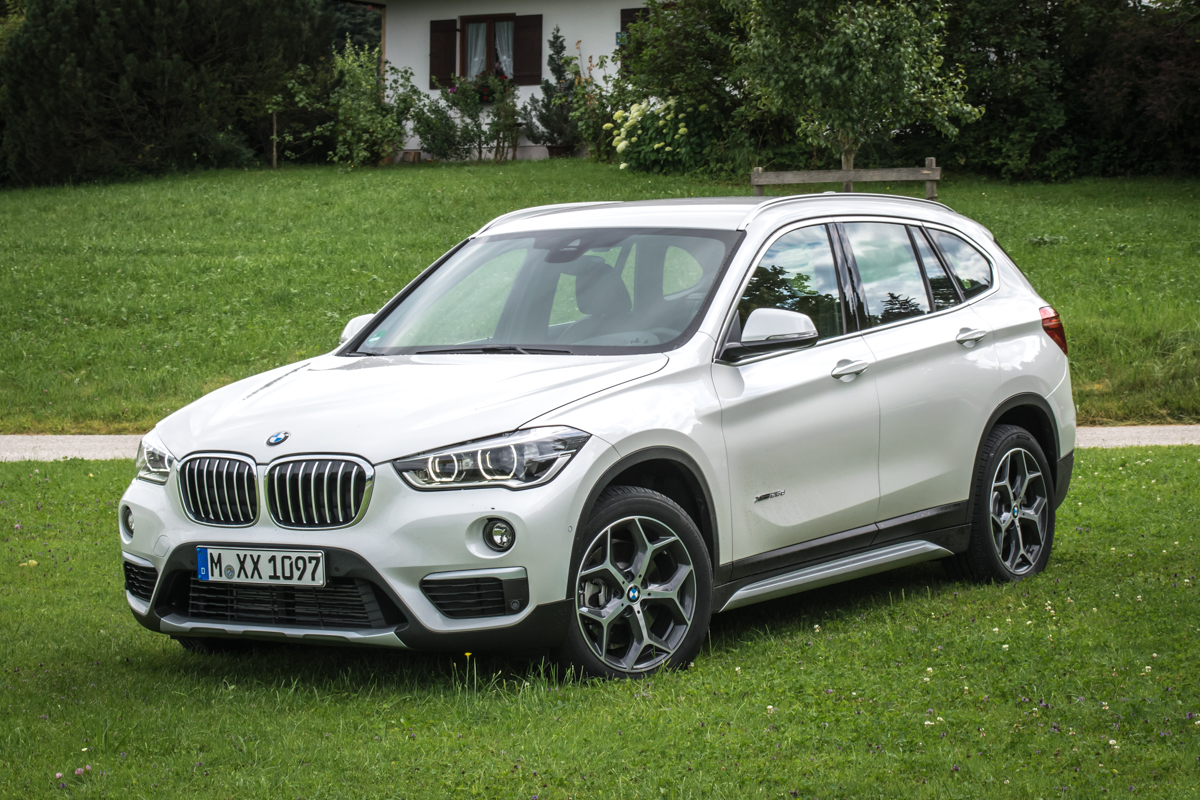
BMW has revealed the second-generation X1 at the 2015 Frankfurt Motor Show, moving its smallest SUV onto a new front-wheel drive platform and offering a more upright, SUV-like design. The new X1 replaces the outgoing model’s estate-like stance with a taller body, larger kidney grille and LED-accented headlights. The change brings the X1 in line with BMW’s other X models, aiming for a more robust appearance.
The new X1 sits on BMW’s UKL2 architecture, shared with the 2 Series Active Tourer and several Mini models. This shift to a transverse engine layout allows for more cabin space and improved practicality. Boot space increases over the previous model, and rear passengers gain extra legroom. Buyers can choose from Sport Line, xLine and M Sport trims, each offering different styling details and interior materials. The M Sport version adds a body kit and larger alloy wheels.
Engines and performance
At launch, BMW offers five four-cylinder engines for the new X1. Petrol options include a 2.0-litre unit with either 192 PS and 280 Nm or 231 PS and 350 Nm. Diesel buyers can choose from three outputs: 150 PS, 190 PS or 231 PS. All engines are turbocharged and paired with either a six-speed manual or an eight-speed automatic gearbox, depending on specification. BMW’s xDrive all-wheel drive is available on selected models.
- 2.0-litre petrol: 192 PS / 280 Nm
- 2.0-litre petrol: 231 PS / 350 Nm
- 2.0-litre diesel: 150 PS
- 2.0-litre diesel: 190 PS
- 2.0-litre diesel: 231 PS
BMW has confirmed that smaller three-cylinder engines will join the range later, including a 1.5-litre petrol with either 116 PS or 136 PS, sharing technology with Mini. These additions will lower the entry price and emissions for the X1 line-up.
Interior and technology
Inside, the X1 adopts BMW’s latest design language. Entry-level models feature cloth upholstery, Oxide Silver trim and a 6.5-inch freestanding iDrive display. Higher trims bring options like Alcantara sports seats, Aluminium Hexagon trim and additional colour accents. New technology includes a heads-up display and the Driving Assistant Plus package, which offers adaptive cruise control and advanced safety features.
Market position and rivals
The X1 competes directly with other premium compact SUVs such as the Audi Q3 and Mercedes-Benz GLA. With the move to a front-wheel drive platform, BMW targets buyers seeking more space and efficiency in the segment. For more on the 2015 Frankfurt Motor Show’s SUV debuts, see 2015 Frankfurt Motor Show: Supercars, SUVs and Electric Concepts Lead the Line-up.