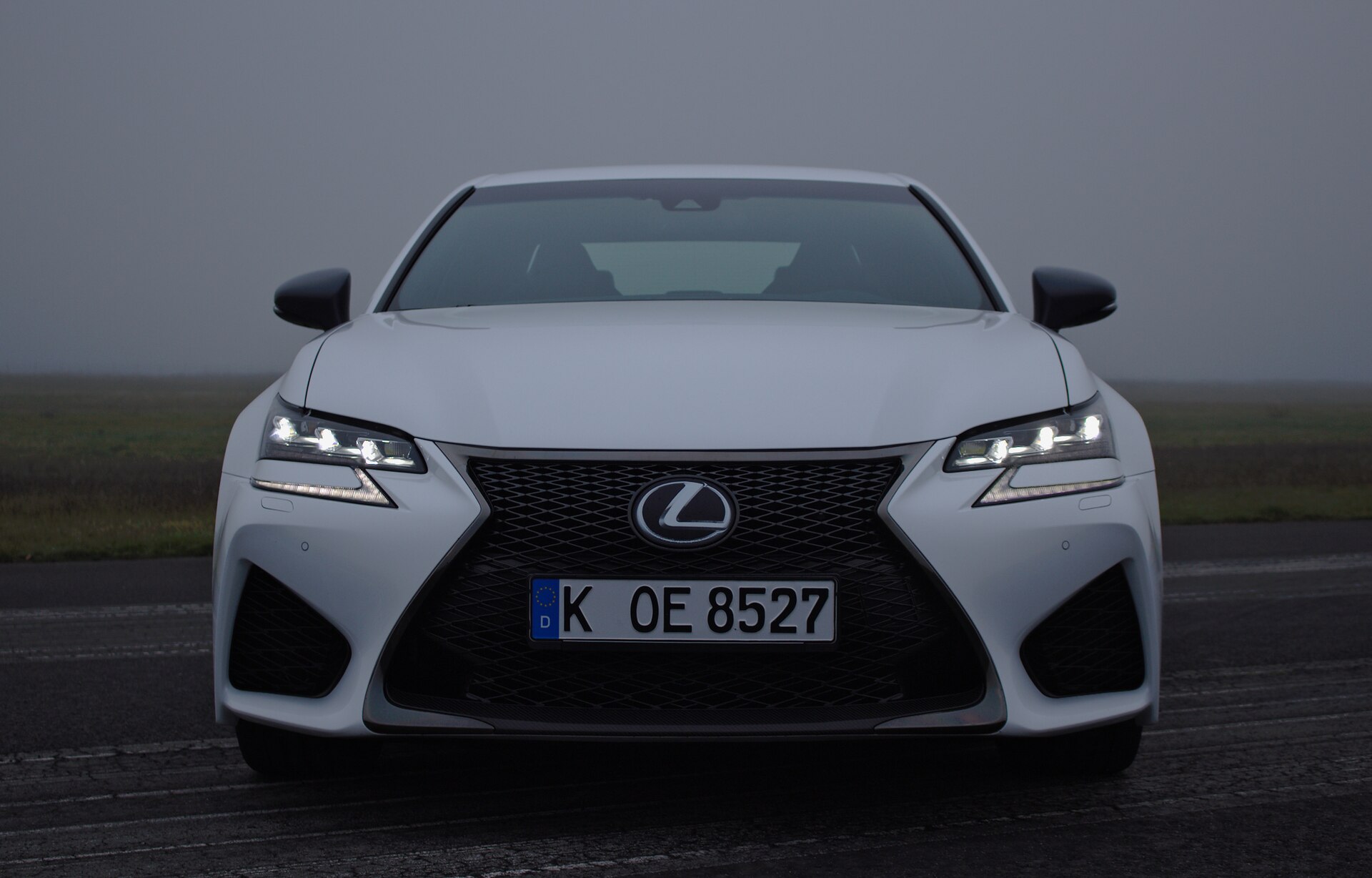
Lexus GS F debuts at Detroit with 5.0-litre V8 and lighter chassis
Lexus has introduced the GS F performance saloon at the 2015 North American International Auto Show, targeting rivals with a naturally aspirated V8 and reduced kerb weight.
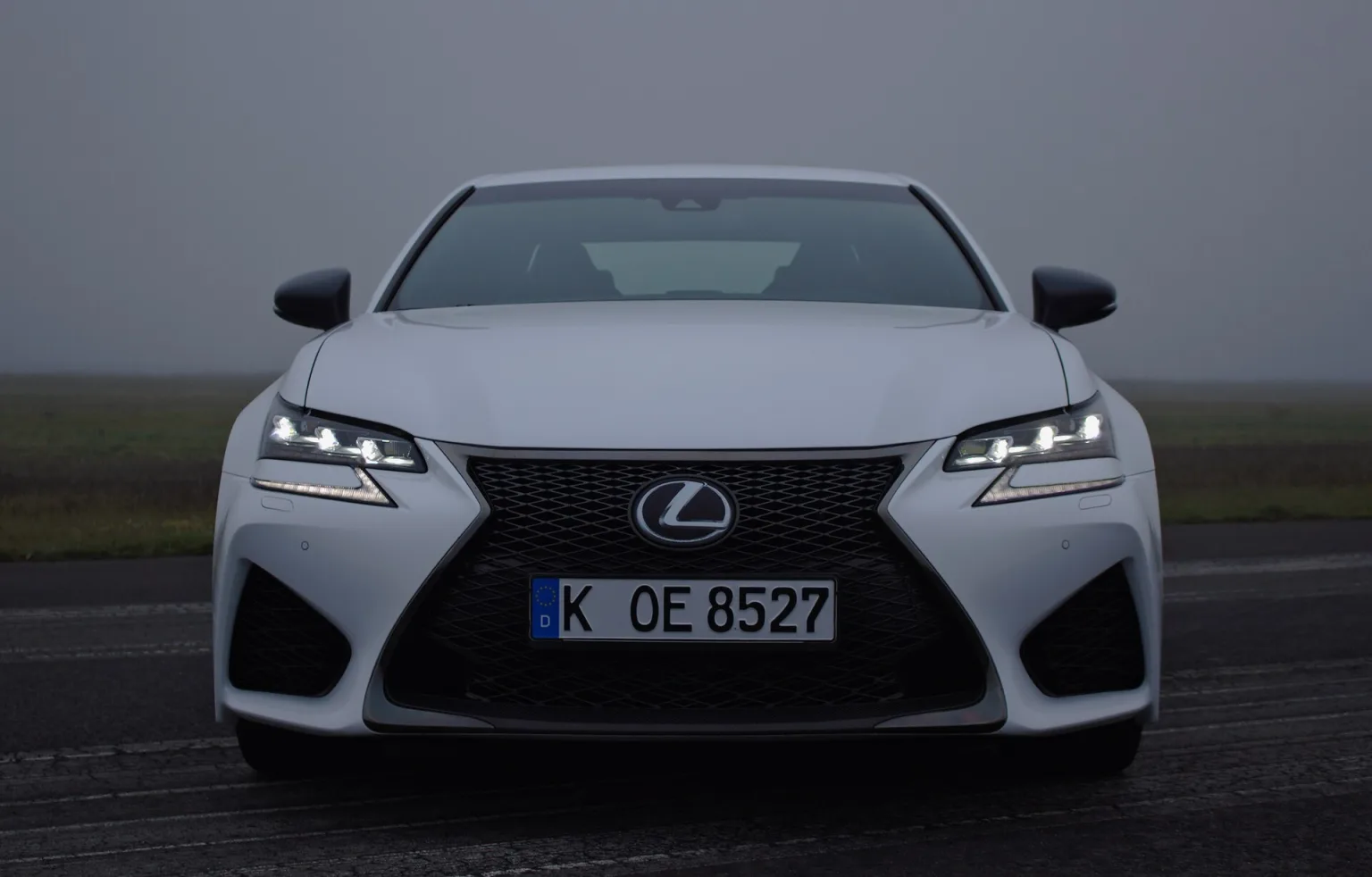
Lexus has introduced the GS F at the 2015 North American International Auto Show in Detroit, marking a significant expansion of its performance line-up. This new model aims to compete in the high-performance executive saloon segment, which is traditionally dominated by the BMW M5 and Mercedes-Benz E63 AMG. By launching the GS F, Lexus is making a clear statement about its ambitions in the segment.
Introduction: Lexus GS F at the 2015 NAIAS
Engine and Performance
The GS F is powered by a 5.0-litre naturally aspirated V8 engine, producing 467hp (348kW) and 527Nm of torque. Unlike many of its turbocharged competitors, Lexus has chosen to retain a naturally aspirated layout, which is increasingly rare in this class. Power is delivered to the rear wheels via an eight-speed automatic transmission, which features steering wheel-mounted paddle shifters for manual control. At launch, Lexus had not provided official performance figures or pricing details for the GS F.
A notable feature is the standard torque vectoring differential, which allows drivers to select between standard, slalom and track modes. This system is designed to enhance agility and stability in a variety of driving conditions. The suspension setup is tuned for a firmer, more responsive ride, aiming to deliver engaging handling characteristics for enthusiastic drivers.
Chassis, Brakes, and Tyres
Lexus claims the GS F is 136kg lighter than its closest German rivals, a difference that could have a significant impact on handling and performance. The car rides on 19-inch alloy wheels wrapped in Michelin Pilot Super Sport tyres, chosen for their grip and durability. Braking is handled by six-piston calipers finished in bright orange, highlighting the car’s sporting intent. These features are designed to give the GS F both visual impact and dynamic capability.
Interior and Equipment
Inside, the GS F features a digital instrument cluster and sports seats designed with enhanced side support to keep occupants secure during spirited driving. The infotainment system includes a 12.3-inch display, providing access to navigation, media, and vehicle settings. For audiophiles, an optional Mark Levinson sound system is available, promising high-quality audio reproduction. The interior also features trim and equipment unique to the F model, including a distinctive steering wheel, pedals, and other details that set it apart from standard GS versions.
The GS F is the second Lexus performance saloon to utilise this 5.0-litre V8 engine, following the RC F coupe. This shared powertrain strategy is part of Lexus’s approach to building a family of high-performance models under the F sub-brand.
Market Position and Rivals
Lexus positions the GS F as a lighter, naturally aspirated alternative to the established German performance saloons. The focus on weight reduction and a naturally aspirated engine sets it apart from rivals that have adopted turbocharging and, in some cases, all-wheel drive. While full pricing and performance statistics were not available at the time of launch, the GS F’s specification suggests it is aimed squarely at enthusiasts who value responsive handling and a traditional V8 character.
With its combination of a high-revving V8, rear-wheel drive, and advanced chassis technology, the GS F expands the choices available to buyers in this competitive segment. It will be interesting to see how it is received once full performance data and pricing are announced, and how it compares in real-world conditions to its German and American rivals.