F1’s 2017 Alternative Engine: 2.5-Litre Twin-Turbo V6 Proposed
Formula One’s 2017 alternative engine plan calls for a 2.5-litre V6 with twin turbos and no hybrid system, offering over 870hp and fewer technical restrictions.
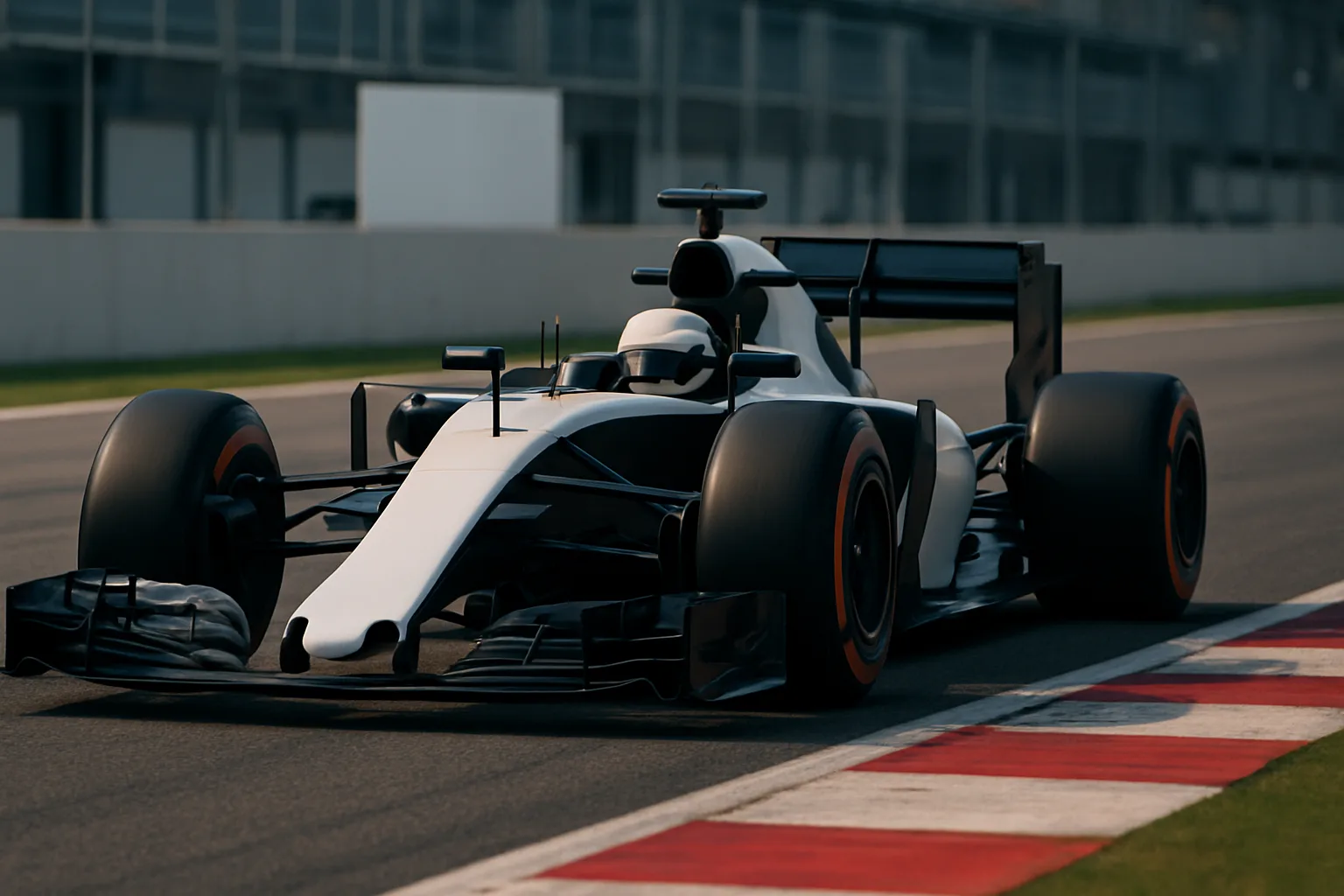
Formula One’s alternative engine proposal for 2017 sets out a 2.5-litre V6, with one or two turbochargers, as the basis for a non-hybrid power unit intended for independent suppliers. The draft specification, which surfaced in November 2015, targets outputs exceeding 870 horsepower and removes several technical restrictions found in the current hybrid era.
The plan marks a shift from earlier discussions, which had considered a 2.2-litre twin-turbo layout. Under the new proposal, the 2.5-litre V6 could run with either a single or twin-turbo setup, and the rules would allow complete freedom on exhaust design. There would be no restrictions on engine revs, durability or fuel flow, a stark contrast to the tightly controlled 1.6-litre hybrid power units currently used by teams such as Mercedes, Ferrari, Renault and Honda.
No hybrid, fewer restrictions
Unlike the existing hybrid engines, the proposed alternative would not use any energy recovery or hybrid systems. This approach is intended to reduce costs and technical complexity, making it feasible for independent engine builders to enter Formula One. The specification is expected to run alongside the current hybrid power units, rather than replace them outright.
Major manufacturers have expressed concern about the direction of the proposal. Mercedes, which dominated the 2014 and 2015 seasons, has publicly criticised the idea of a separate ‘balance of performance’ engine formula, citing problems seen in other racing categories. The debate over the engine rules reflects wider tensions between existing manufacturers and the sport’s governing bodies over costs, competition and technical freedom.
Implications for independent suppliers
The draft regulations are designed to attract suppliers such as Ilmor or Cosworth, who have struggled to compete with the resources of the established manufacturers under the current hybrid formula. With no hybrid system and fewer technical restrictions, the 2.5-litre V6 could offer a more accessible route back into Formula One for independent engine builders.