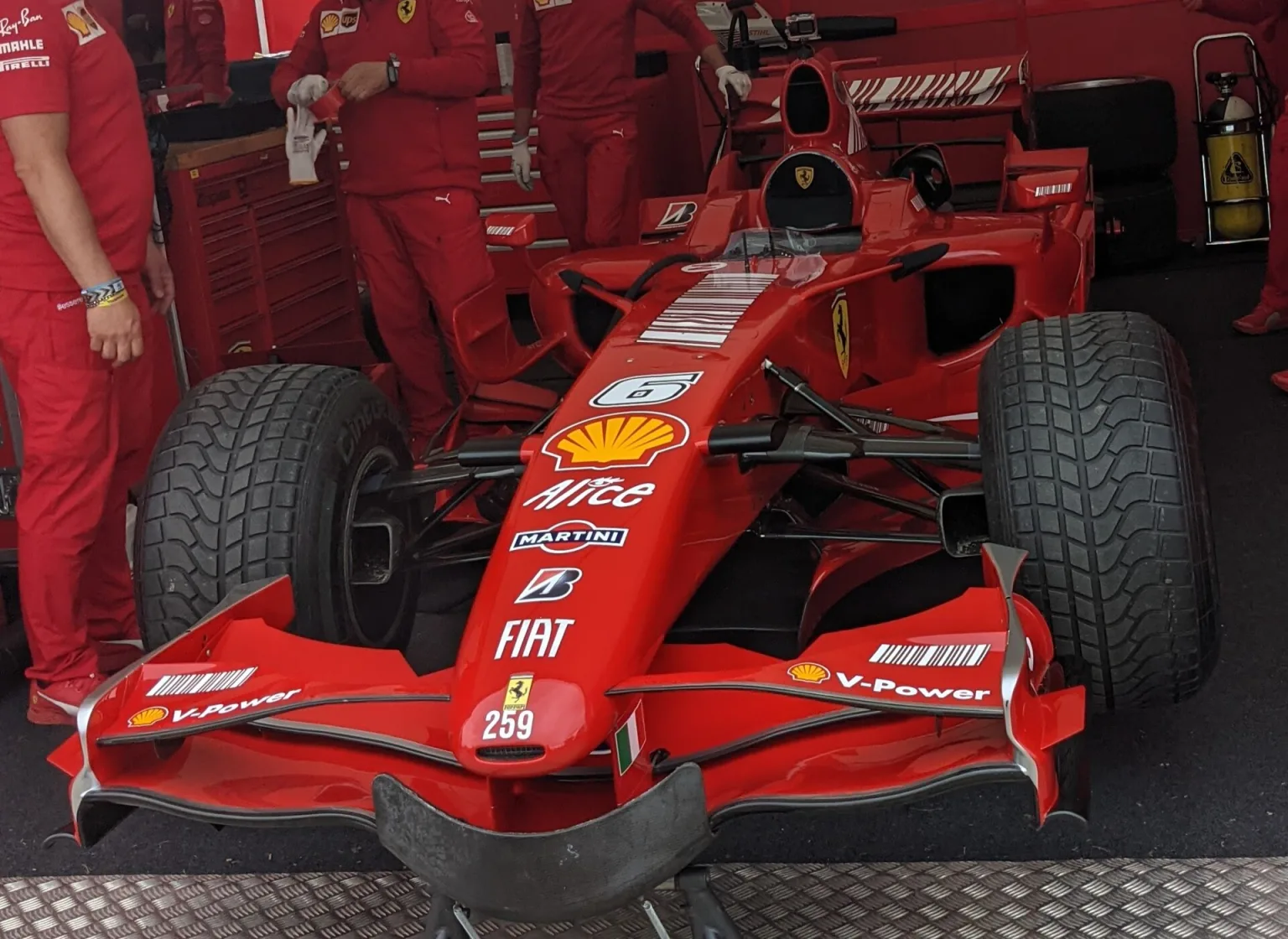
F1 teams to vote on return of extensive track testing
Ferrari and four allied teams are set to challenge Formula One’s tight testing restrictions, with a key vote on relaxing the current ban scheduled for Wednesday.
Formula One teams will vote on Wednesday on whether to relax the sport’s current restrictions on track testing, following a push led by Ferrari and supported by four other teams. The move would mark a significant departure from the tightly controlled testing regime introduced several years ago to curb costs.
Ferrari has long been a critic of the current limitations, which were brought in to reduce expenditure and level the playing field between teams with varying resources. According to McLaren managing director Jonathan Neale, Ferrari has now found sufficient support to bring the matter to a vote. Neale said that teams with their own test tracks and facilities stand to benefit most if the restrictions are eased.
Teams split over cost and fairness
McLaren remains opposed to relaxing the ban. Neale argued that the financial pressures which led to the original restrictions have not changed, warning that increased testing could once again widen the gap between well-funded teams and those with fewer resources. The current rules force teams to rely heavily on simulation and wind tunnel work, with only a handful of official test days allowed each season.
The debate centres on whether the sport is ready to absorb the extra costs and whether more track time would genuinely improve competition or simply entrench the advantage of the biggest teams. Ferrari’s position is that more testing would allow for greater technical development and improved safety, but critics point to the risk of escalating budgets and reduced competitiveness for smaller outfits.
What’s at stake for teams and drivers
If the vote passes, teams with access to private facilities, such as Ferrari’s Fiorano circuit, could resume more frequent on-track development. This would likely benefit established teams with the infrastructure and budget to take advantage of expanded testing. Smaller teams, who rely on shared or hired facilities, could find themselves at a disadvantage, potentially deepening the performance gap in the field.
- Vote outcome could reshape 2013 and future F1 seasons
- Potential for increased costs and resource gaps
- Possible impact on driver development and car reliability
The vote’s outcome will determine whether Formula One continues its current approach or shifts back towards a more open era of in-season development. Teams, drivers and suppliers will be watching closely to see whether the balance between cost control and technical progress is about to change.