Audi’s 2.7 TDI V6: Technical Details and Model Applications
Audi’s 2.7-litre V6 TDI diesel engine, introduced in the late 2000s, brought common rail technology and strong torque to the A4, A5 and A6 ranges.
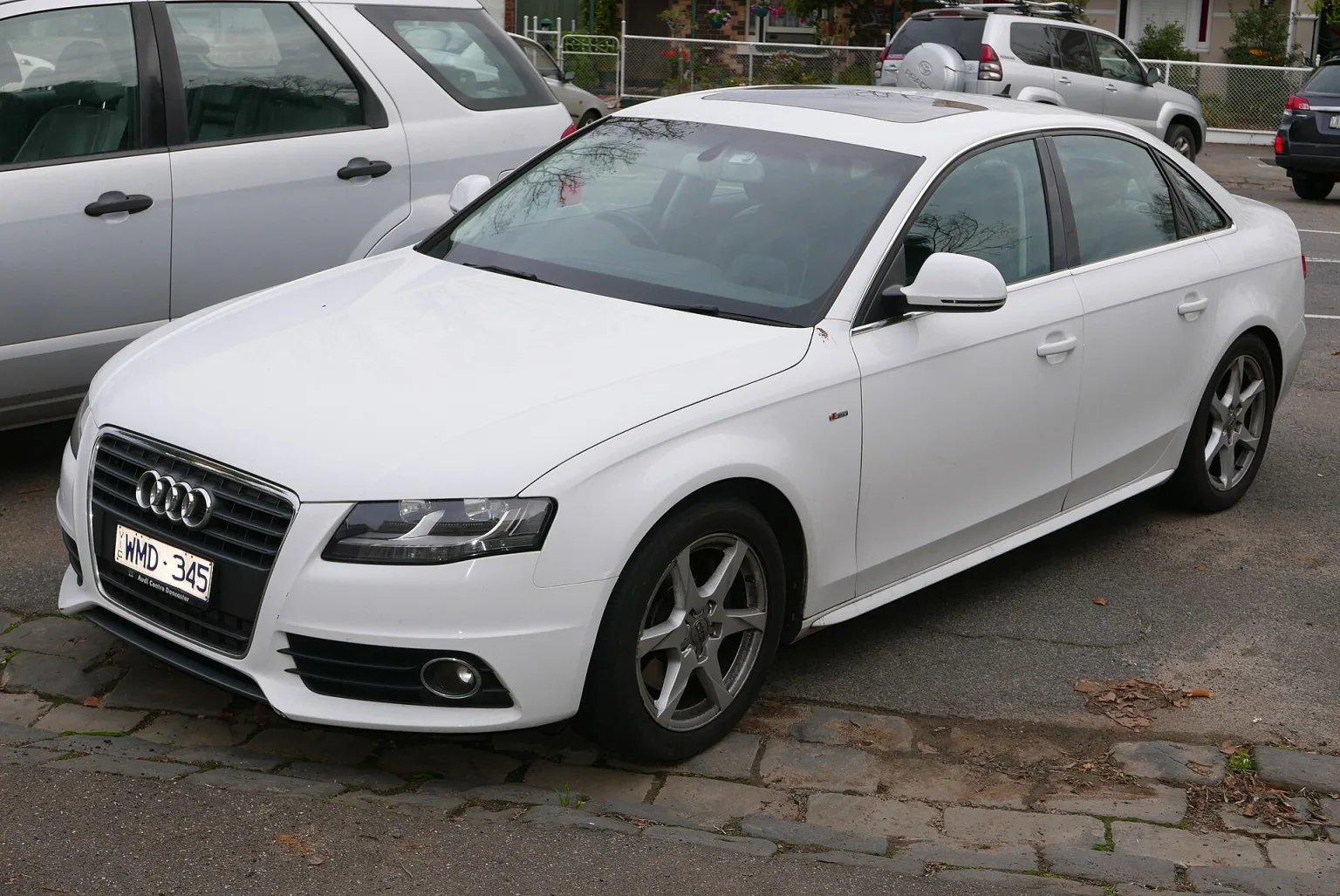
Audi’s 2.7-litre V6 TDI engine, launched for the A4, A5 and A6 in the late 2000s, expanded the brand’s diesel line-up below the 3.0 TDI. Designed as part of Audi’s move to common rail technology, the 2.7 TDI combined strong performance with improved refinement and lower emissions compared to earlier V6 diesels.
Technical features of the 2.7 TDI V6
The 2.7 TDI V6 used a 2,698 cc swept volume, achieved with an 83 mm bore and an 83.1 mm stroke. The engine block was made from compacted graphite iron (CGI), chosen for its strength and reduced weight. Audi fitted the engine with a common rail direct injection system, featuring separate high-pressure pumps and rails for each bank and piezoelectric injectors. The maximum injection pressure reached 1,600 bar, with up to five injections per combustion cycle. This helped to improve both combustion efficiency and noise characteristics.
A new crankshaft with a shorter stroke, revised connecting rods and pistons distinguished the 2.7 from the 3.0-litre variant. The engine produced between 180 and 190 bhp (132–140 kW) depending on the model, with peak torque figures between 380 and 400 Nm. Maximum torque was available from 1,400 rpm through to 3,300 rpm, giving the engine a broad usable power band for everyday driving.
Model applications and market context
Audi offered the 2.7 TDI in several models, notably the A4, A5 and A6. The engine was positioned as a mid-range diesel option, sitting below the 3.0 TDI and above the four-cylinder diesels in the line-up. It was available with both manual and automatic transmissions, depending on the model and market. The 2.7 TDI helped Audi compete with rival six-cylinder diesels from BMW and Mercedes-Benz, offering a balance of performance and efficiency.
- Audi A4 (B7 and B8 generation)
- Audi A5 (first generation)
- Audi A6 (C6 generation)
The engine’s combination of low-end torque and relatively low fuel consumption made it popular with business users and private buyers seeking a refined long-distance car. Noise and vibration levels were improved over previous Audi V6 diesels, with the 2.7 TDI setting a benchmark for refinement in its class at launch.
Later developments and legacy
The 2.7 TDI remained in production for several years before being phased out as Audi updated its engine range to meet stricter emissions standards and moved towards downsized, higher-efficiency units. The 3.0 TDI continued as the flagship six-cylinder diesel, while four-cylinder diesels took a larger share of sales in the following decade. The 2.7 TDI is still found in the used market, valued for its blend of torque, refinement and economy.