Six Essential Actions to Take After a Car Accident
Responding correctly after a collision can protect your safety, help with insurance claims and ensure the right information is gathered at the scene.
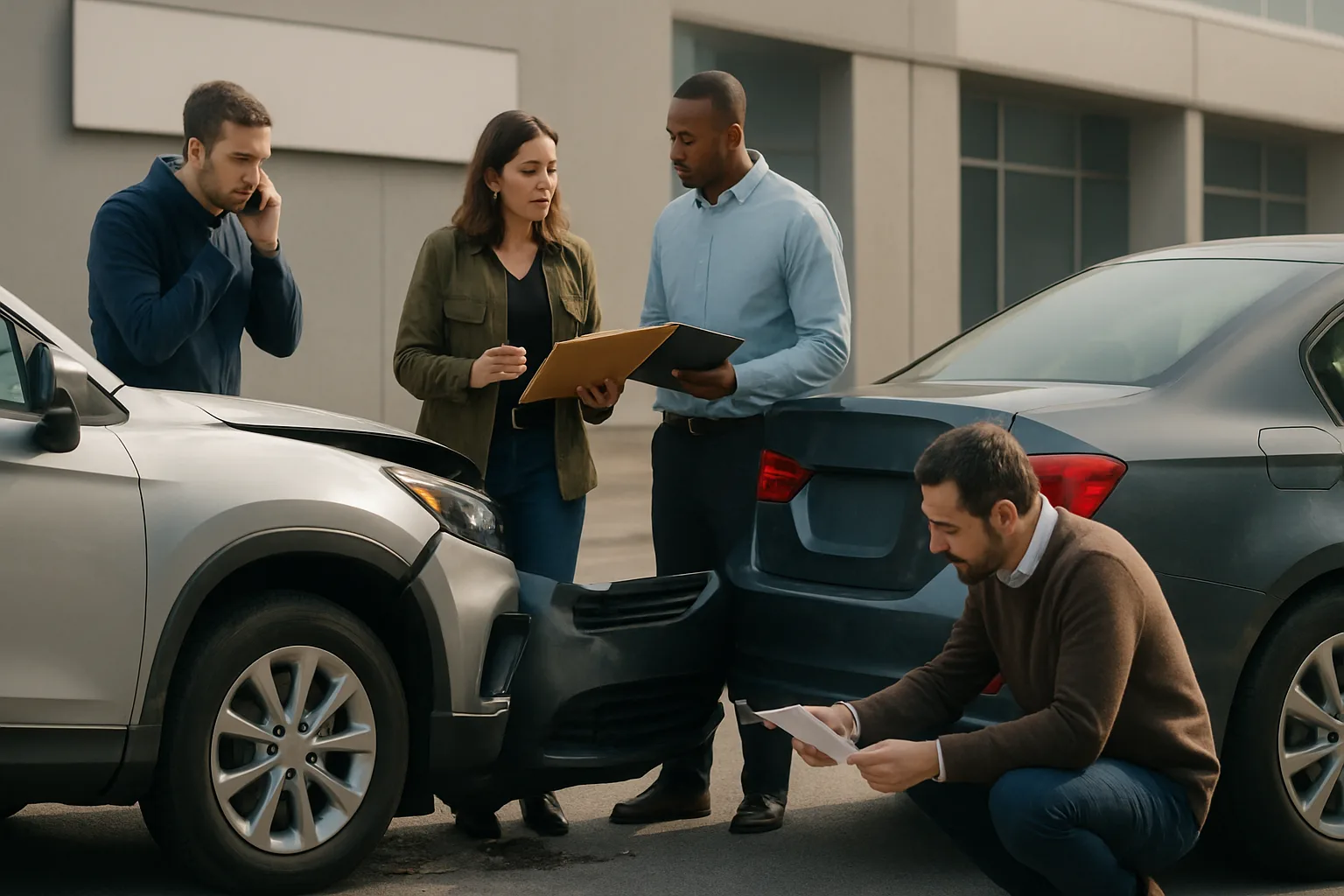
A car accident can leave drivers shaken and unsure of what to do next. Responding methodically in the minutes following a collision can help protect your safety, satisfy legal requirements and support any insurance claim that follows.
Ensure safety and prevent further accidents
If your vehicle is still drivable and you are not seriously injured, move it out of traffic to a safe spot nearby. Activate your hazard lights to alert other road users. If you have warning triangles or flares, place them to increase visibility, especially in poor light or bad weather. This reduces the risk of a secondary collision and helps emergency services reach the scene safely.
Check for injuries and call for help
Assess yourself and others for injuries. If anyone is hurt, call emergency services immediately. Even minor injuries can become more serious, so err on the side of caution. Do not attempt to move anyone who is seriously injured unless there is an immediate danger such as fire.
Exchange and record essential information
Swap names, addresses, phone numbers, insurance details and vehicle registration numbers with all other drivers involved. If the other driver is not the vehicle owner, gather the owner's details as well. If the other party is driving as part of their employment, note the employer’s information. Collect contact details from witnesses who saw the accident. These details are crucial for insurance and, if necessary, legal proceedings.
- Date, time and location of the accident
- Weather and road conditions
- Make, model and registration of all vehicles involved
- Names and contact details of drivers, owners and witnesses
- Insurance policy numbers and companies
- Police officer’s name, badge number and how to obtain the report
Document the scene thoroughly
Use your phone or a camera to take photographs of the vehicles, their positions, damage, road conditions, skid marks and any relevant traffic signs or signals. Make notes or draw a diagram of how the accident happened. Record any statements made by other drivers, especially admissions of fault. This documentation can be vital for insurance claims and in resolving disputes over liability.
Limit discussion to the police
Do not admit fault or discuss details of the accident with anyone except the police. Statements made at the scene can be misinterpreted and may affect the outcome of insurance or legal processes. Provide factual answers to police questions and ask how to obtain a copy of their report.
Notify your insurer and keep records
Contact your insurance company as soon as possible, even if you do not intend to make a claim immediately. Provide them with all the information and documentation you have collected. Keep copies of everything, including correspondence and reports, in case of disputes or further legal action.