Dacia Duster transformed into 850hp Pikes Peak contender
Renault Sport Technologies has unveiled a radically modified Dacia Duster with 850hp, built specifically to challenge the Pikes Peak International Hill Climb in June 2011.
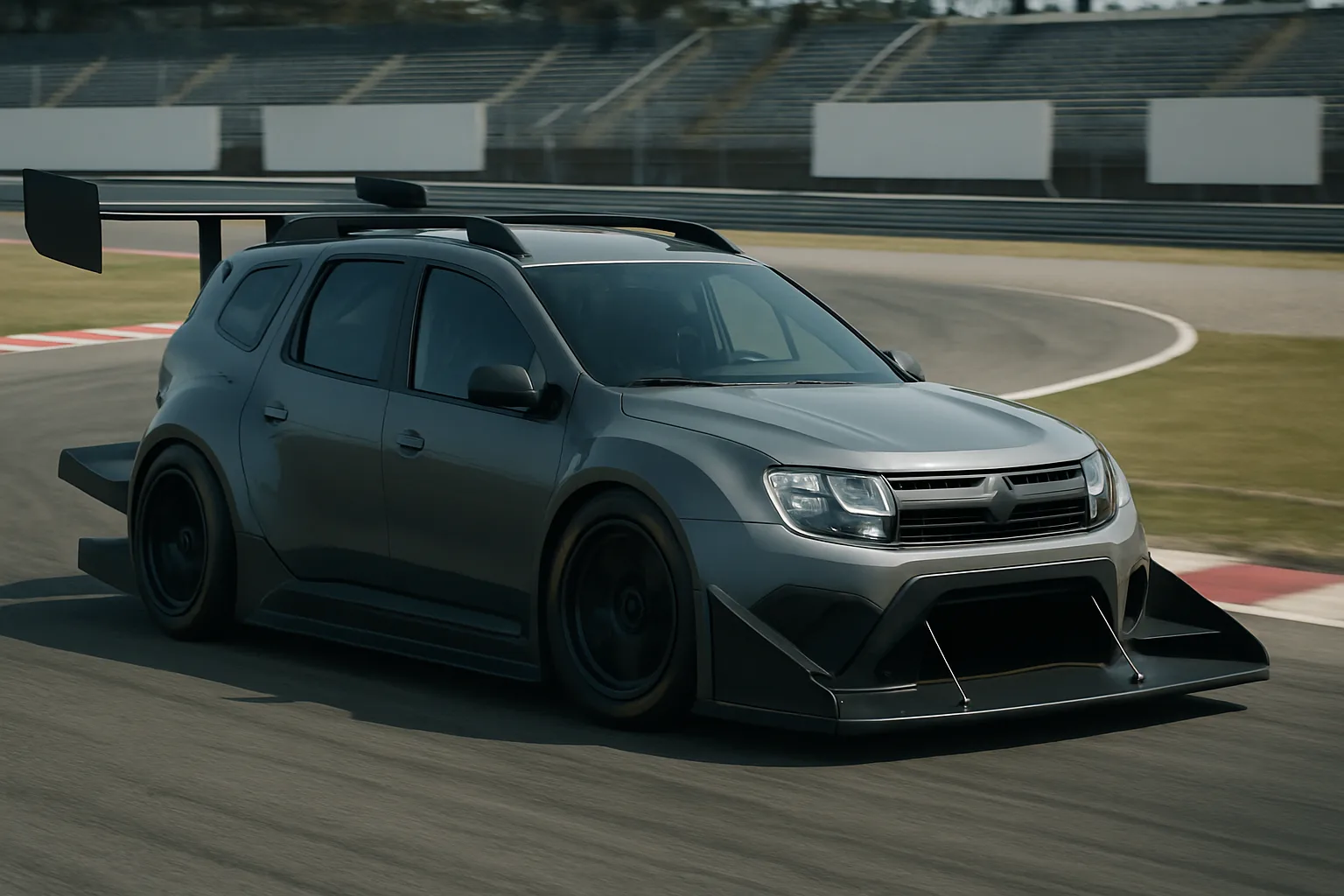
Renault Sport Technologies has revealed an 850hp Dacia Duster, purpose-built to take on the 2011 Pikes Peak International Hill Climb. The project marks a sharp departure from the Duster’s usual role as a budget SUV, transforming it into a dedicated hill climb machine for one of motorsport’s most demanding events.
The Duster’s Pikes Peak entry follows its run in the Andros Trophy ice-racing series, where it was previously piloted by Alain Prost. For Pikes Peak, Renault Sport has shifted focus from ice to altitude, targeting the outright hill climb record at the Colorado event scheduled for 26 June 2011. The car is set to begin testing on 5 June, with images released showing the car’s construction and wind tunnel sessions.
Extreme engineering for the climb
Official technical details remain limited, but Renault Sport has confirmed the car is built on a bespoke chassis and clothed in a lightweight body. The 850hp engine, race-prepped for the demands of Pikes Peak, is a dramatic step up from any production Duster. Aerodynamics are a clear priority, with a prominent rear wing visible in released images, designed to generate the downforce needed for high-speed stability on the mountain’s fast, exposed sections.
The Pikes Peak course is notorious for its 12.42-mile length, 156 corners and finish line at over 4,300 metres above sea level. High altitude saps engine power, so outright horsepower and cooling are critical. Renault Sport’s approach with the Duster is to combine maximum output with aggressive weight-saving and advanced aerodynamics to offset the thin air and unpredictable surface conditions.
Renault Sport’s ambitions and the Duster’s transformation
Renault Sport’s decision to enter Pikes Peak with the Duster signals a bold attempt to showcase the brand’s engineering beyond its value-focused image. The project draws on lessons from previous motorsport outings, but the scale of modification for Pikes Peak is unprecedented for the Duster. The car’s silhouette remains faintly recognisable, but nearly every component has been replaced or re-engineered for the challenge.
The Duster’s Pikes Peak entry puts it among a rare group of SUVs adapted for top-level motorsport, and underlines Renault’s willingness to use its budget brand as a motorsport platform. While the production Duster has found success as a no-frills SUV, recently passing the 400,000-unit mark at Mioveni (/dacia-milestone-400000-units-of-the-dacia-duster-produced-in-romania)—the Pikes Peak car is a pure racing special, sharing little with the showroom model beyond its name and basic outline.
Testing and the road to Colorado
Testing for the Duster Pikes Peak special is scheduled to begin on 5 June 2011, giving Renault Sport just three weeks to finalise setup before the main event. The team’s preparations include wind tunnel development and track shakedowns to tune the aerodynamics and power delivery for the unique demands of the mountain course.
With the 2011 Pikes Peak International Hill Climb set for 26 June, Renault Sport’s Duster will face a field of specialist machinery and experienced drivers. Success at the event would mark a high point for Dacia’s motorsport ambitions and demonstrate the flexibility of the Duster platform in the hands of Renault’s engineers.