Ferrari Targets DRS Gains to Boost Qualifying Performance
Ferrari’s 2012 Formula One campaign saw the team focus on rear wing improvements as its DRS lagged rivals in qualifying, hampering Fernando Alonso’s title bid.

Ferrari’s 2012 Formula One season became defined by a single, stubborn weakness: qualifying pace. As Fernando Alonso’s championship challenge faltered in the final races, the team’s technical focus shifted to the rear wing and the Drag Reduction System (DRS), where crucial tenths were being lost to Red Bull.
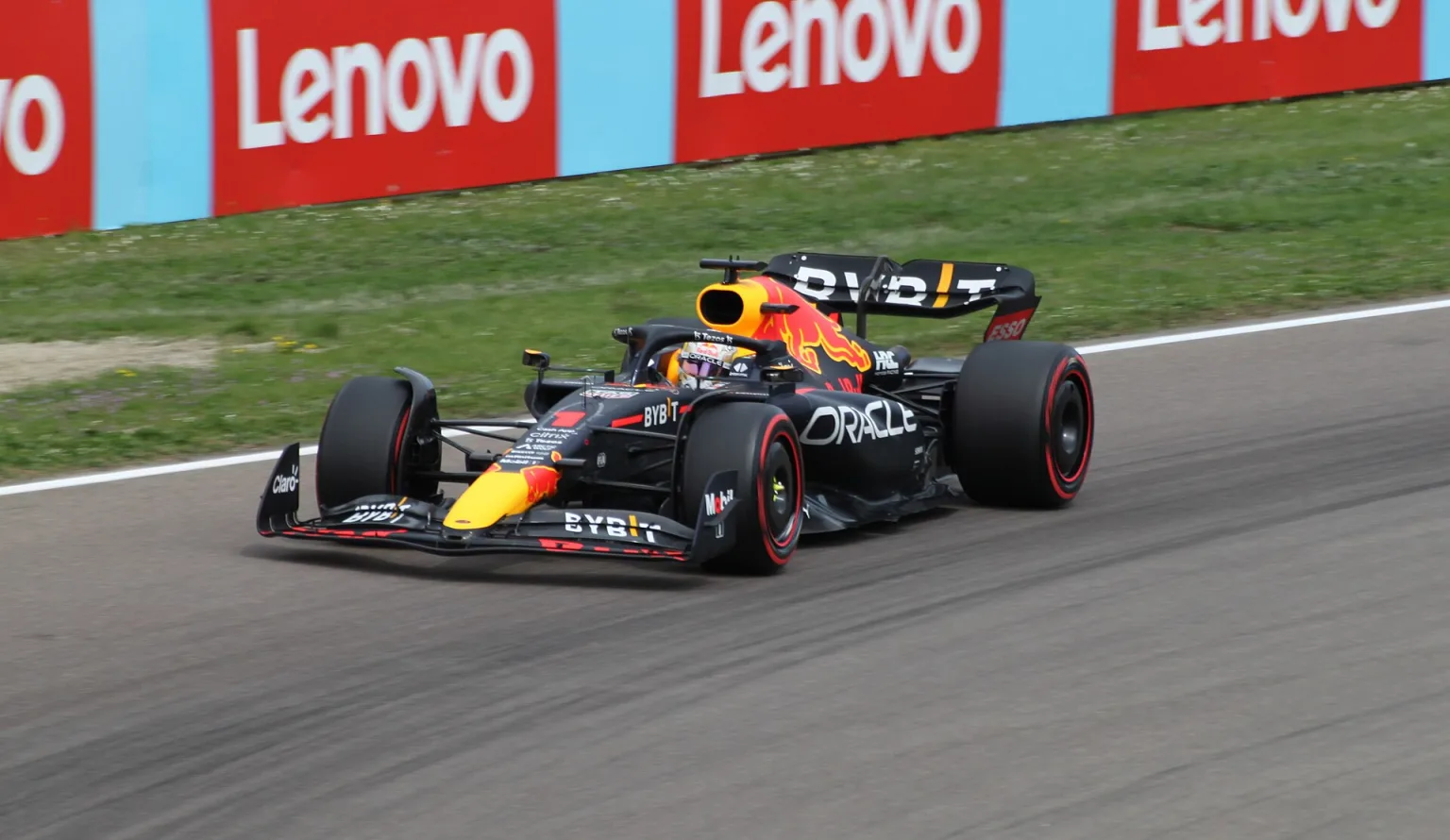
While the F2012 could match Red Bull in race conditions, it struggled to unlock similar speed on Saturdays. The problem, acknowledged by Ferrari’s technical staff and president Luca di Montezemolo, was that the DRS-equipped rear wing was generating too little top speed on the straights during qualifying. In India, for example, Alonso’s DRS boost was measured at under 4km/h, compared to nearly 10km/h for Sebastian Vettel’s Red Bull. This left Alonso and Felipe Massa consistently starting from the third or fourth row, forced to recover ground on Sundays.
Rear wing limitations and DRS deficit
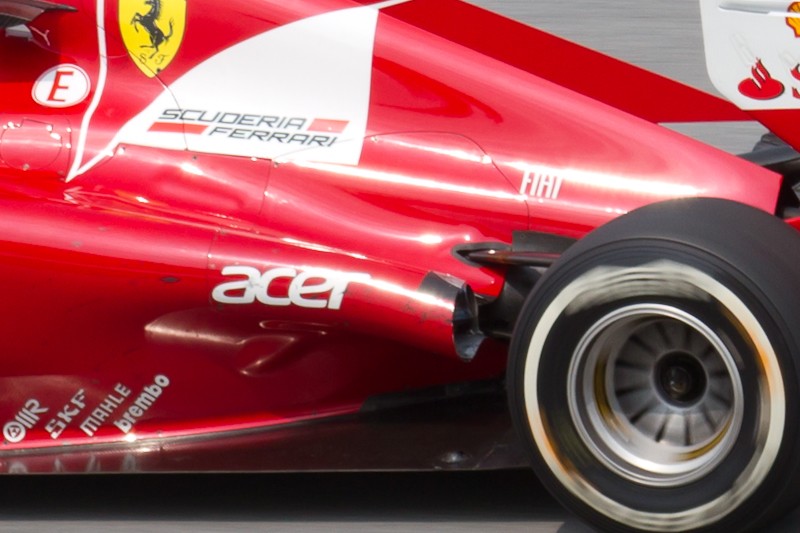
The core of the issue lay in the F2012’s rear wing design. In qualifying, when DRS could be used freely, rival teams exploited more aggressive drag reduction. Ferrari’s solution delivered only a modest gain, limiting top speed and leaving the car vulnerable on circuits with long straights. The team explored introducing a more advanced ‘double DRS’ system, similar to Red Bull’s, but development time ran out before the final flyaway rounds.
President di Montezemolo made the team’s frustration clear. Starting off the front rows, he argued, left Ferrari drivers at a strategic disadvantage. “If we always start from the third or fourth row, then everything becomes difficult, if not impossible,” he told La Stampa. The qualifying shortfall meant Alonso was often ten seconds behind the leader after just five laps, making a genuine title challenge increasingly remote.
Last-ditch upgrades and technical response
Ferrari’s technical boss Pat Fry stated the team was “working like crazy” to bring further improvements for the Abu Dhabi and Brazilian Grands Prix. The target was clear: extract more from the DRS rear wing and start higher up the grid. With Red Bull’s Vettel pulling away too easily at the front, Ferrari’s only hope was to apply pressure from the opening laps, something only possible with a better qualifying position.
Despite these efforts, Ferrari was unable to close the qualifying gap before the season ended. The inability to match Red Bull’s DRS effectiveness became a defining factor in Alonso’s narrow loss in the drivers’ championship. The episode underlined the importance of qualifying-specific development in a season where Sunday recovery was rarely enough to overhaul rivals with clear air and track position.
- Ferrari’s F2012 DRS rear wing lacked top speed compared to rivals.
- Race pace was competitive, but qualifying positions compromised strategy.
- Technical upgrades focused on DRS for final races, but gains were limited.