German Petrol Station Charges €9.99 per Litre Amid Shortage
An Esso station in Filderstadt, Germany, posted a €9.99 per litre price for premium fuel as supplies dwindled during a nationwide shortage, leaving customers shocked.
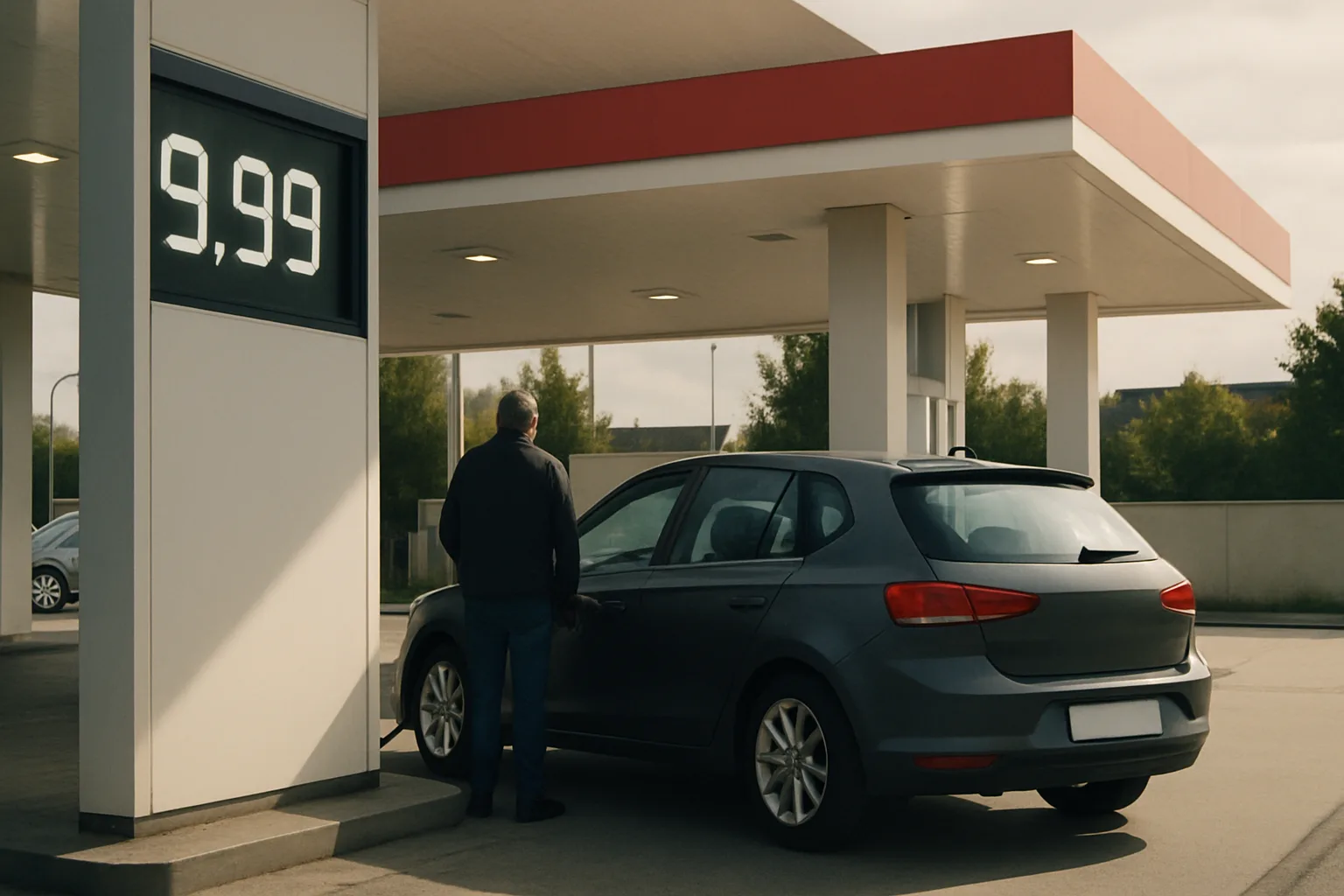
On 25 April 2011, drivers at an Esso petrol station in Filderstadt, near Stuttgart, were confronted with an extraordinary price at the pump: €9.99 for a single litre of premium petrol. The incident occurred as filling stations across Germany faced supply shortages, sending prices at some outlets to unprecedented levels.
According to German newspaper reports, the Filderstadt station displayed warning signs about the high price, but several customers filled up regardless. One BMW driver filled his tank with 21 litres and was charged €210, while another customer paid €100 for just 10 litres. Many only realised the price after receiving their receipts at the till.
Head office sets the price, police say
When angry customers contacted local police, officers confirmed that the station had not broken any law. The price had been set by Esso’s head office, and there was no legal limit on what could be charged. Customers were required to pay the amount displayed at the pump, even if they had not noticed the hike before filling up.
The incident drew criticism from motoring organisations. Rainer Hillgärtner, spokesman for Auto Club Europa, said the situation resembled a black market and called for an official investigation into the pricing and supply failures. He questioned how a multinational fuel supplier could allow such a supply bottleneck to develop, leading to extreme prices for consumers.
Supply shortage triggers price spike
The price surge came during a period of fuel shortages affecting several regions in Germany. As some stations ran out of stock, others raised prices sharply to manage remaining supplies or discourage panic buying. The €9.99 per litre price at Filderstadt was the most extreme reported, but other stations also saw steep increases during the same period.
Customers affected by the Filderstadt incident said they hoped to negotiate with Esso for a refund or compromise. The station itself declined to comment when approached by local media. There were no immediate reports of regulatory action against the company, but motoring groups called for closer scrutiny of fuel pricing practices during shortages.
Context: German fuel prices and supply issues
At the time, the typical price for premium petrol in Germany was around €1.50 to €1.60 per litre. The Filderstadt incident highlighted how quickly prices could escalate in the event of a supply crisis, and how vulnerable drivers were to sudden changes at the pump. Fuel pricing in Germany is not regulated by the state, leaving stations free to set their own rates based on supply and demand.
The episode added to ongoing debate in Germany about fuel pricing transparency and consumer protection, particularly during periods of supply disruption. Motoring associations urged authorities to investigate whether price hikes during shortages were justified or exploited drivers’ lack of alternatives.