Study Finds Automatic Braking Cuts Rear-End Crashes by 40%
New IIHS research quantifies the real-world impact of automatic emergency braking and forward collision warning, highlighting the technology's potential to prevent hundreds of thousands of accidents annually.
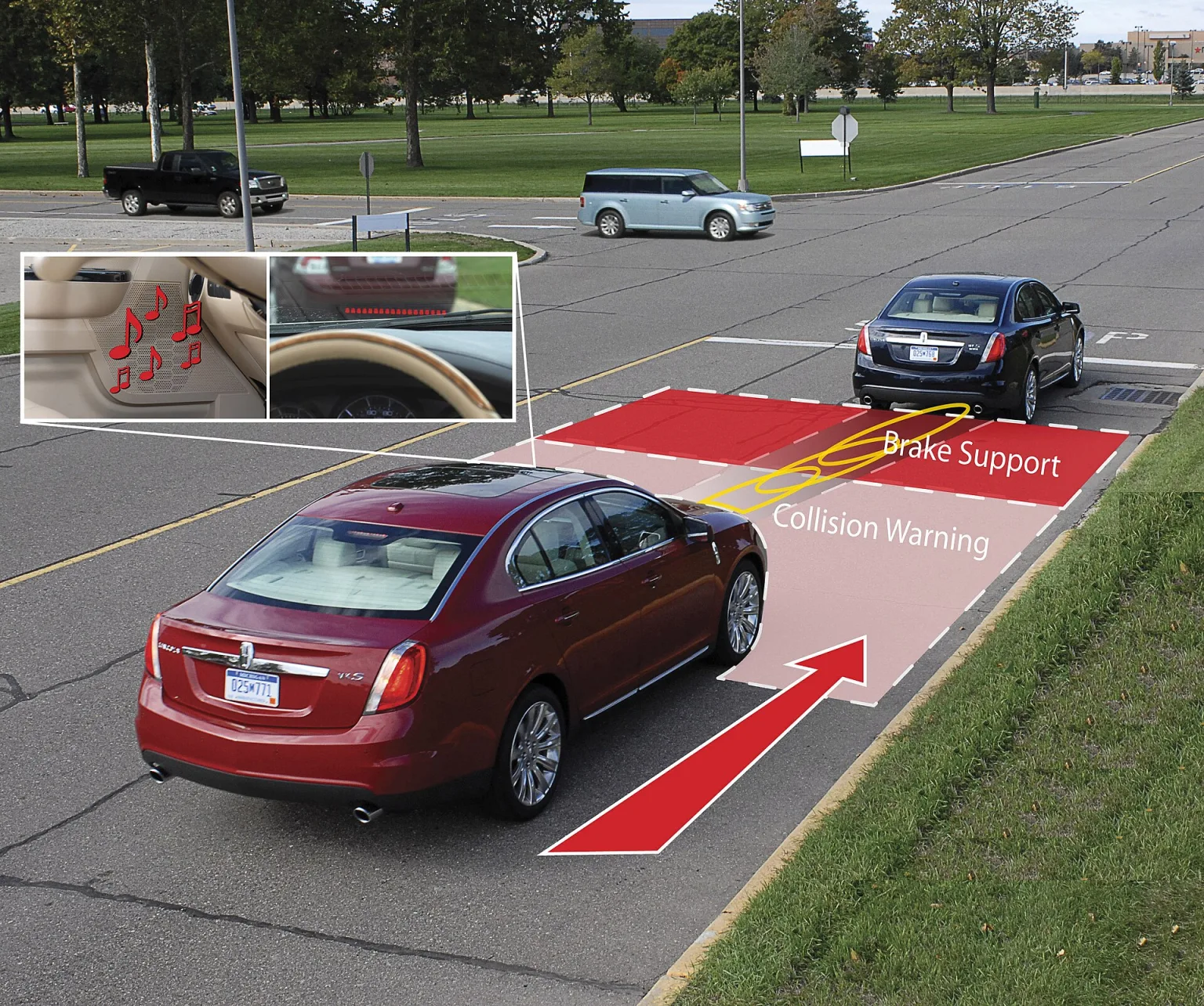
Automatic emergency braking and forward collision warning systems could have prevented 700,000 police-reported rear-end crashes in the US in 2013, according to a study by the Insurance Institute for Highway Safety (IIHS). The research highlights the measurable effect of active safety technology, as regulators and manufacturers work to reduce accident rates through wider adoption of these systems.
The IIHS analysis found that vehicles equipped with both forward collision warning and automatic emergency braking saw a 39% reduction in rear-end crash rates. Forward collision warning alone delivered a 23% reduction, but had little effect on injury rates. The addition of automatic braking proved more effective, cutting not just the number of collisions but also the likelihood of injury.
Technology adoption still limited in 2015
Despite the clear benefits, uptake of automatic emergency braking remained low in 2015. Only 1% of new vehicles in the US offered the feature as standard, with a further 26% making it available as an option. The IIHS figures underline the gap between the technology’s potential and its real-world impact, given limited market penetration at the time.
Safety regulators moved to accelerate adoption. In 2015, the National Highway Traffic Safety Administration (NHTSA) secured commitments from ten major carmakers to make automatic braking standard on all new models. Other manufacturers have since joined the initiative. The push reflects growing consensus that active safety systems will play a central role in reducing road injuries and fatalities.
Impact for manufacturers and buyers
For manufacturers, the study’s findings add pressure to standardise active safety features across their ranges. Regulatory moves in the US and Europe are increasingly tying safety ratings to crash avoidance technology, as seen in the evolution of Euro NCAP and NHTSA criteria. Buyers can expect to see automatic emergency braking and related systems become common even on mass-market models, not just luxury cars. For more on how safety ratings are evolving, see NHTSA to Introduce Crash Avoidance in US Safety Ratings.
As the technology matures and becomes more widely available, its real-world benefits should increase. The IIHS report suggests that mainstream adoption could deliver a substantial reduction in both accident numbers and injury severity, particularly for rear-end collisions, a frequent source of whiplash and insurance claims. For a look at how advanced safety tech is being applied to new models, see the unveiling of the 2014 Mercedes-Benz S-Class with advanced tech and new engines.