NHTSA to Introduce Crash Avoidance in US Safety Ratings
The US safety agency is preparing to add a new rating for crash-avoidance technology, aiming to highlight vehicles that help drivers avoid accidents as well as survive them.
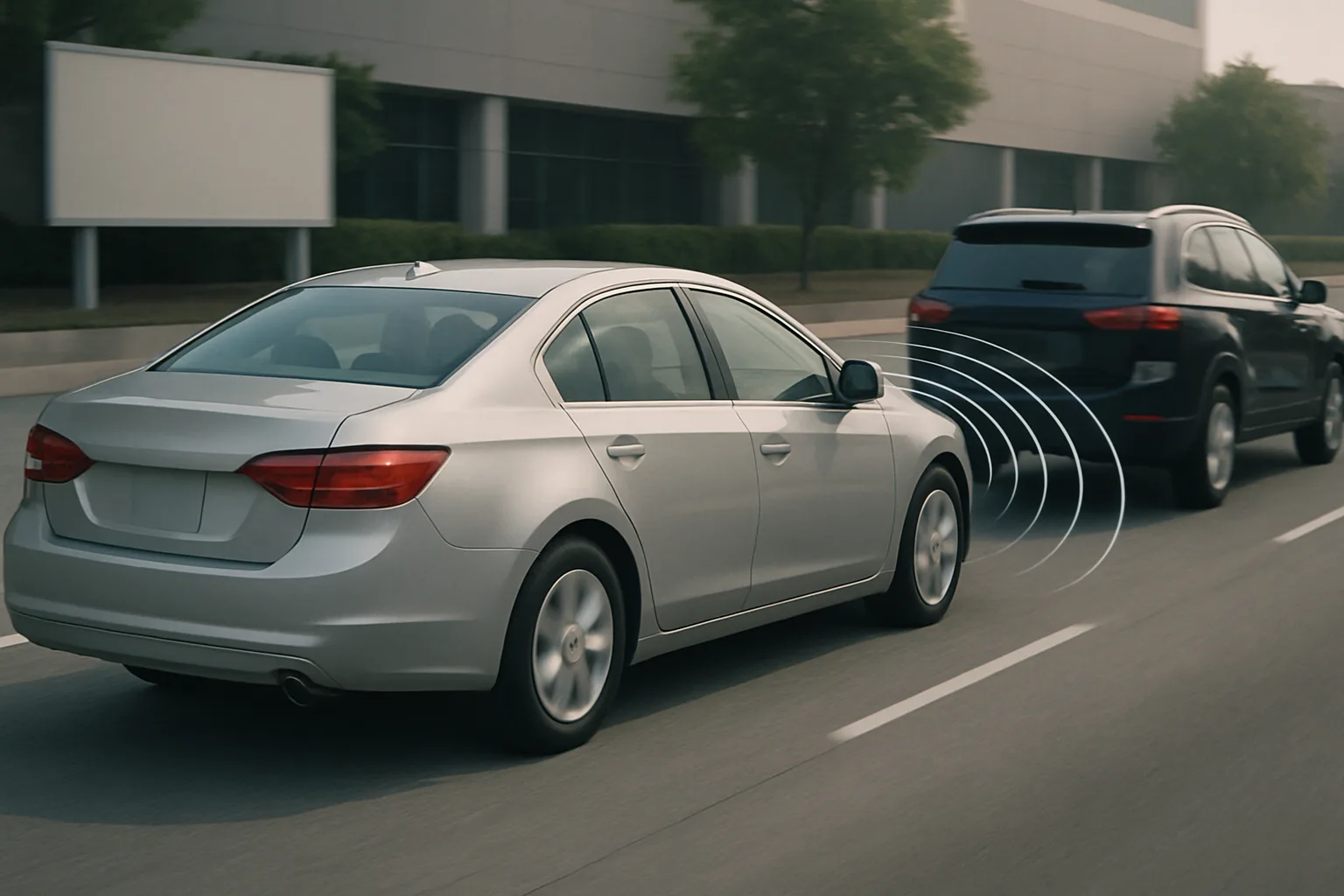
The US National Highway Traffic Safety Administration (NHTSA) is preparing to expand its well-known five-star safety ratings by introducing a new assessment for crash-avoidance features. The move would add a layer to the programme, which has traditionally focused on how well vehicles protect occupants during a collision, by also evaluating how effectively a car can help prevent a crash in the first place.
The planned changes reflect the growing availability of advanced driver assistance systems, such as automatic emergency braking, lane-keeping assist and forward-collision warning. While some automakers have already begun fitting these technologies to attract safety-conscious buyers, there is currently no federal rating system to show which vehicles are best equipped to help drivers avoid accidents altogether.
NHTSA has asked for public input on the proposed changes, seeking feedback from consumers, manufacturers and suppliers on how crash-avoidance technologies should be evaluated and communicated to buyers. The agency's aim is to give car shoppers clearer information about which models offer the most effective accident-prevention features, supporting informed decisions in the showroom.
Crash avoidance moves into the spotlight
Until now, NHTSA’s five-star ratings have concentrated on how vehicles perform in crash tests, measuring occupant protection in various impact scenarios. This approach has pushed manufacturers to improve structural safety and restraint systems, but it does not distinguish cars that may be better at avoiding a crash in the first place.
The new rating would cover technologies such as forward-collision warning, automatic emergency braking and lane-keeping systems. These features rely on sensors, cameras and software to detect hazards and either alert the driver or intervene directly to prevent or mitigate a collision. Suppliers of these components, including those making radars and video systems, stand to benefit from wider adoption as manufacturers seek higher ratings under the revised scheme.
Industry and consumer impact
The Insurance Institute for Highway Safety (IIHS), a separate US safety body, has already begun testing and recognising crash-avoidance systems in its Top Safety Pick awards. The IIHS has previously pushed manufacturers to fit electronic stability control and is now evaluating the effectiveness of automatic braking and collision warning systems. NHTSA’s plan would bring a similar focus to the federal programme, potentially accelerating the adoption of these features across the US market.
- Manufacturers may need to fit more advanced sensors and software to achieve top ratings.
- Suppliers of cameras, radars and control units could see increased demand.
- Consumers will have clearer information to compare vehicles on crash-avoidance capability.
NHTSA has not set a firm date for introducing the new rating but is actively seeking input from stakeholders. When implemented, the change is expected to influence both vehicle development and marketing, as manufacturers compete not only on crash survivability but also on their ability to help drivers avoid accidents altogether.