Porsche Manager Criticises Tesla's Performance Tech at Frankfurt
A Porsche product manager has taken aim at Tesla's battery and performance claims, promising the Mission E will deliver repeatable power without overheating.
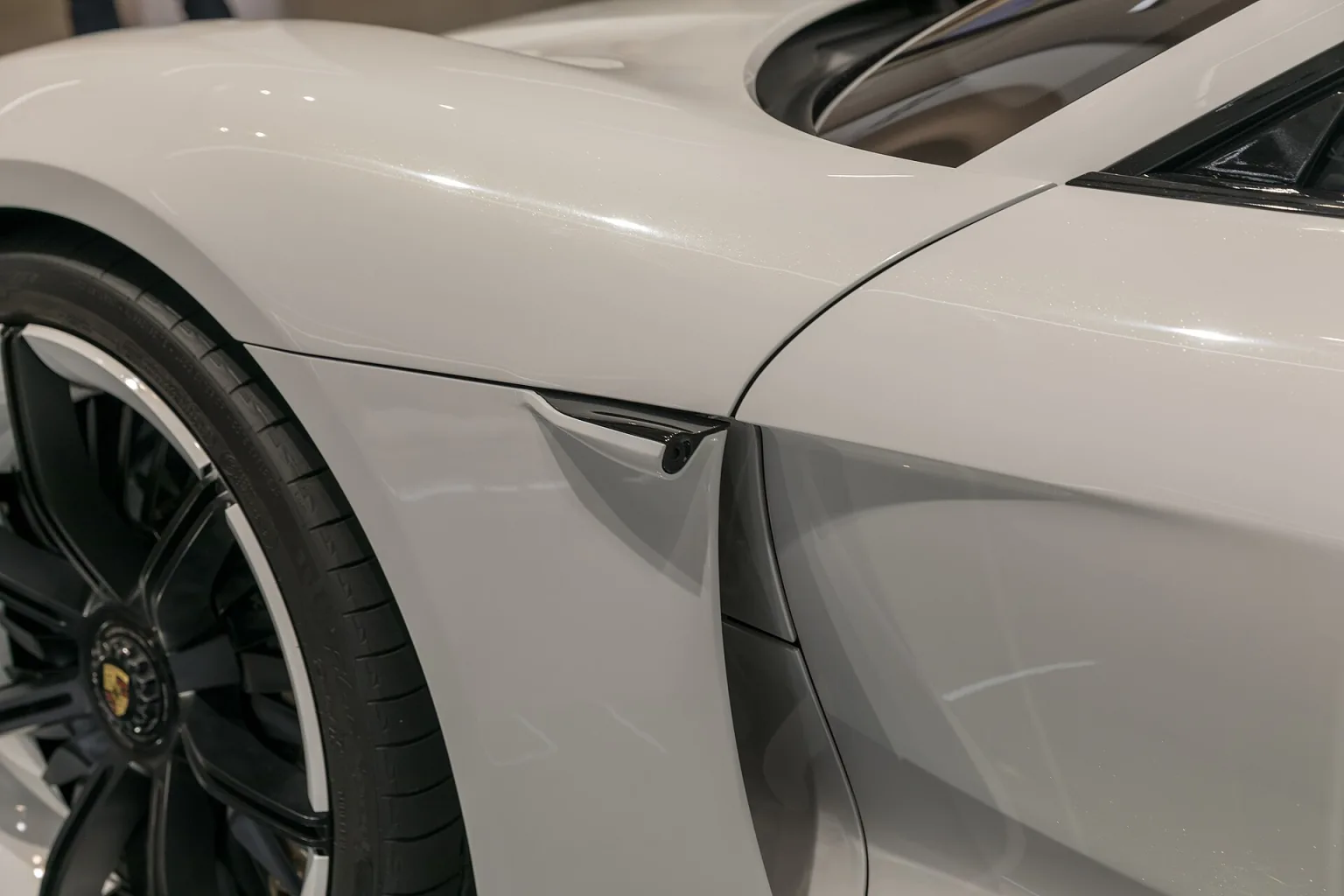
A Porsche product manager has publicly criticised Tesla’s approach to high-performance electric vehicles, claiming the US brand’s headline acceleration modes are unsustainable in real-world use. The comments were made as Porsche presented its all-electric Mission E concept at the 2015 Frankfurt Motor Show, positioning the future production model as a more consistent performer than the Tesla Model S.
Porsche’s product manager did not hold back on Tesla’s celebrated Ludicrous mode, which allows the Model S to accelerate at supercar pace but, according to Porsche, cannot be used repeatedly without depleting the battery or causing overheating. “The thing about Ludicrous mode is that it’s a façade. Two launches saps the whole battery. That won’t be the case with the Mission E. You’ll be able to run it hard, over and over; the battery will not overheat, the power control module will not overheat, and the seats will not suck,” the manager told US publication Automobile.
Porsche's message is clear: the Mission E is being engineered for sustained high performance, not just quick sprints for marketing figures. The brand is promising that its first fully electric model will remain “a true Porsche through and through”, with repeated hard use on road or track without power fade or thermal issues. This is a pointed contrast to Tesla’s approach, which has focused on attention-grabbing acceleration numbers but has faced criticism for thermal management and battery depletion under repeated use.
Mission E targets repeatable performance
The Mission E concept, revealed at Frankfurt, previews Porsche’s first production electric car. The company says the production version will closely follow the concept’s design and powertrain layout. The concept uses two electric motors to deliver a combined output of around 600 horsepower, with a claimed 0-62 mph time of about three seconds. Porsche is promising that this performance will be available consistently, not just for one or two launches.
The production Mission E is not expected before 2019, but Porsche’s public stance signals the seriousness with which it is taking the challenge from Tesla. The German manufacturer is aiming to set new standards for electric sports cars, not only in outright speed but in the ability to deliver that performance reliably and repeatedly. The company’s statements suggest a focus on battery cooling, power electronics and overall system durability, areas where Tesla’s rivals believe the Model S falls short when pushed beyond everyday driving.
Tesla's approach under scrutiny
Tesla’s Model S has attracted global attention for its acceleration and range, but European rivals have increasingly questioned whether the technology stands up to extended high-speed use. Porsche’s comments at Frankfurt reflect a wider scepticism among established manufacturers about Tesla’s engineering choices, particularly for buyers who expect sports car levels of repeatable performance. For more on the Model S and its market impact, see Tesla Releases Model S Promotional Video Ahead of Launch.
Porsche’s challenge is not just technical but reputational. The brand is promising that the Mission E will be “something special” and “entirely different” from its competitors, both in driving experience and in the hard numbers. The production car’s arrival will be a critical test of whether established sports car makers can deliver an electric model that meets the expectations set by their petrol-powered heritage.