Insurers Push for Driver-Tracking Tech in Exchange for Lower Premiums
Insurance companies are offering discounts of up to 30 percent to drivers who allow telematics devices or apps to monitor their driving behaviour, with global uptake accelerating.
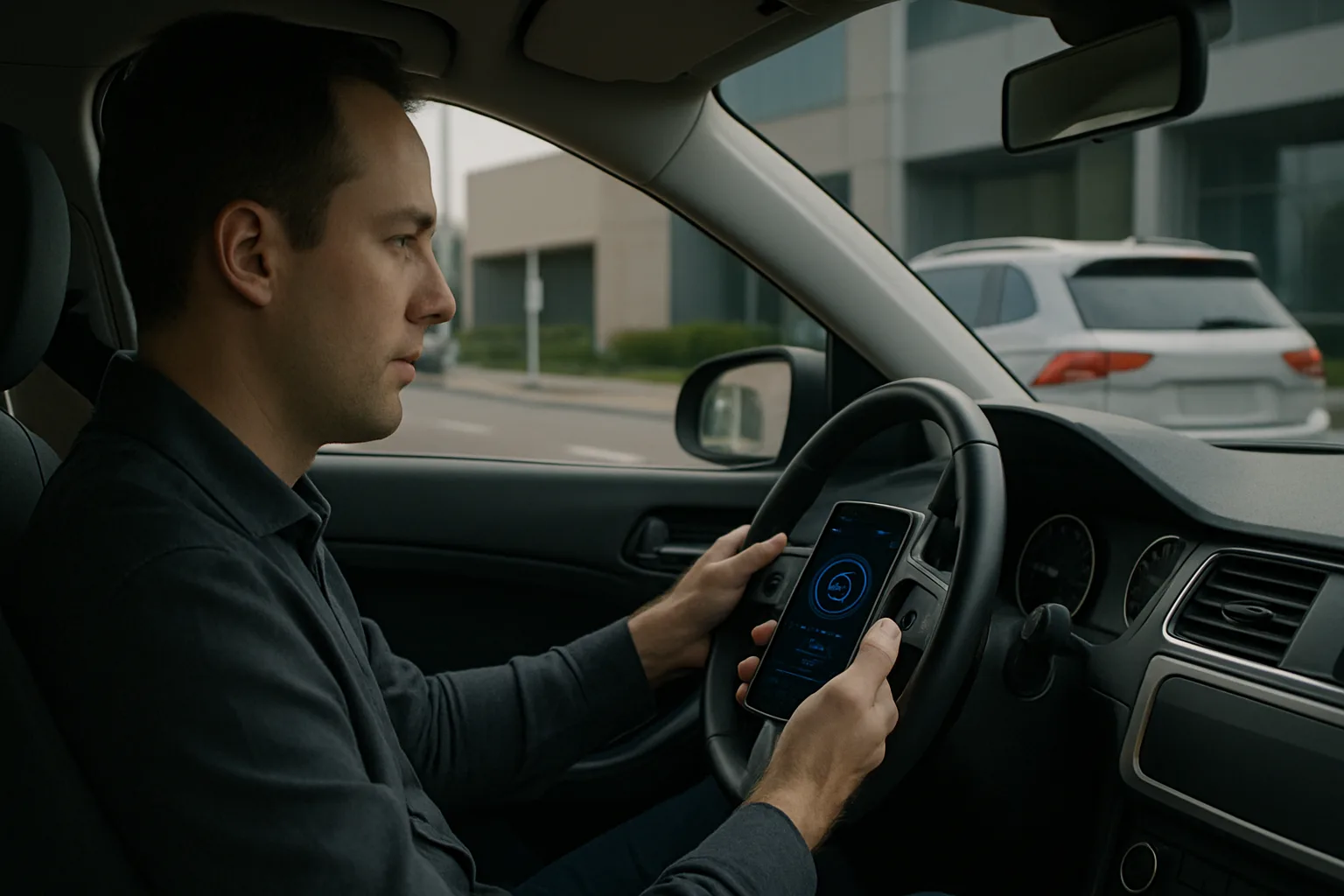
Insurance companies worldwide are ramping up efforts to persuade drivers to accept in-car monitoring devices or smartphone apps, offering premium discounts of up to 30 percent for those willing to share detailed driving data. The shift is driven by both technological advances and regulatory momentum towards greater vehicle connectivity.
Traditional motor insurance pricing relies on factors such as age, postcode and claims history. Telematics-based policies, often called “black box” insurance, use real-time data on speed, acceleration, braking, cornering and even location to build a risk profile specific to each driver. This approach allows insurers to reward safer driving with lower premiums, while those judged higher risk may see smaller savings or even higher costs.
Consultancy Oliver Wyman has forecast that telematics-based motor insurance could grow by up to 40 percent annually, reaching a global market value of $3.6 billion by 2020. The technology is already in use by millions of drivers, with Zurich Insurance Group among the companies investing heavily in vehicle-data programmes. Zurich covers around 15 million drivers across 30 countries and sees the move towards data-driven insurance as inevitable.
How telematics policies work
Telematics insurance typically requires either a professionally installed “black box” device, a plug-in dongle, or a smartphone app. These systems record journeys and driving style, transmitting data back to the insurer. The most common features tracked are:
- Speed relative to road limits
- Braking and acceleration patterns
- Time of day and journey length
- Location and route data
Some policies also offer feedback to drivers, encouraging safer habits. In the event of an accident, telematics data can speed up claims handling and help clarify fault. For young or inexperienced drivers, who typically face the highest premiums, these policies can make cover more affordable.
Privacy and regulatory changes
The spread of telematics is not only market-driven. Legislators in several countries are pushing for new vehicles to be equipped for data transmission, including vehicle-to-vehicle (V2V) and vehicle-to-environment systems. These developments could make driver monitoring a standard feature, rather than an opt-in for lower premiums. As a result, the traditional insurance model based on broad demographic risk is likely to give way to more granular, behaviour-based pricing.
Privacy advocates have raised concerns about how insurers and third parties handle sensitive location and driving data. Insurers argue that the benefits include not just lower premiums, but also improved claims response and the potential for accident prevention. For now, most telematics policies remain voluntary, but the direction of travel is clear: data-driven pricing is set to become the norm in motor insurance.