Alonso’s Barcelona Crash Triggers €1.8m Insurance Payout
Fernando Alonso’s testing accident at Barcelona forced McLaren’s insurers to pay out €1.8 million after the Spaniard missed the Australian Grand Prix on medical advice.
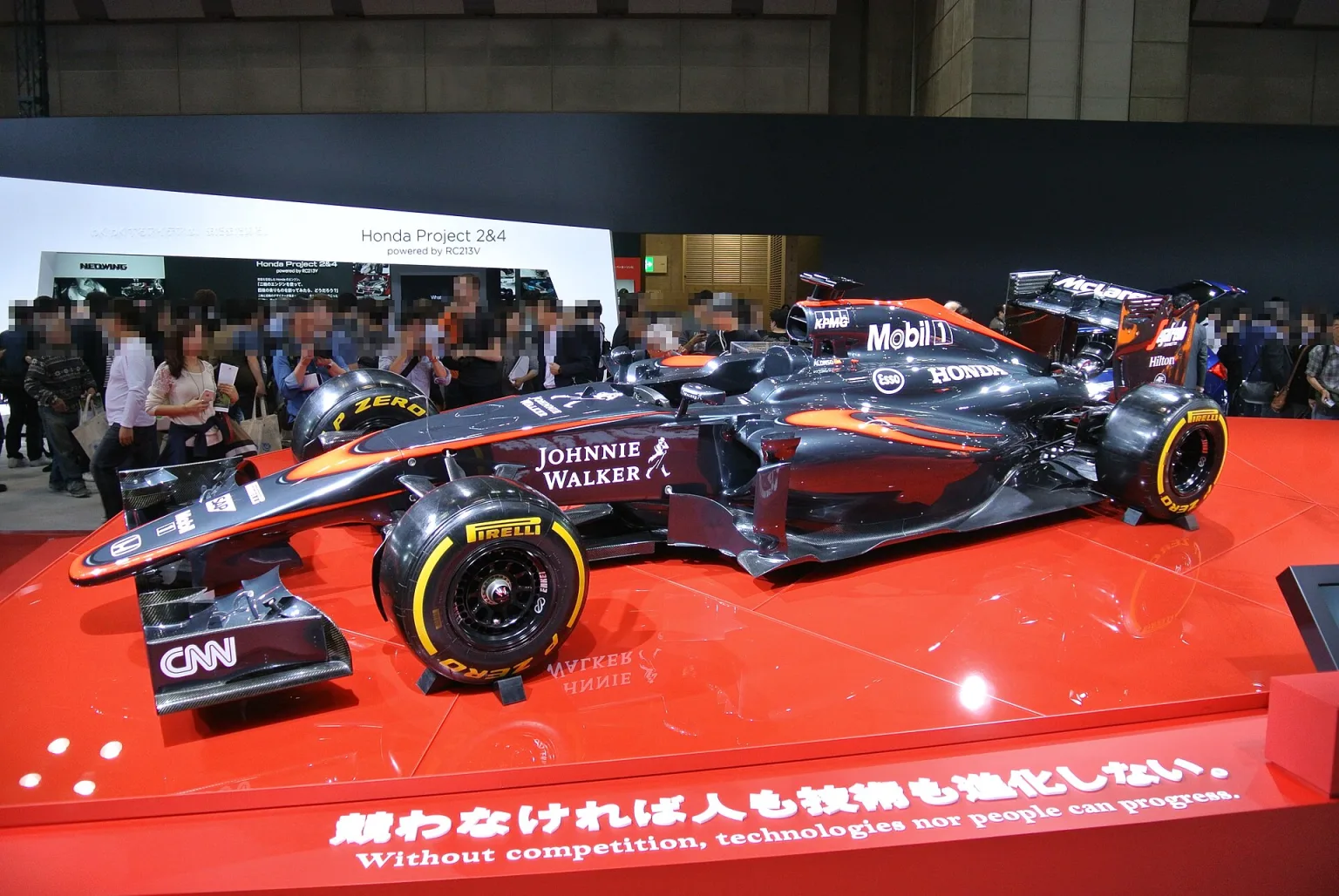
Fernando Alonso’s crash during pre-season testing at Barcelona in February 2015 had significant financial and sporting consequences for both the driver and his team, McLaren. The Spanish driver was ruled out of the season-opening Australian Grand Prix on medical grounds, a decision that triggered a substantial insurance claim. According to Italy’s La Gazzetta dello Sport, McLaren’s insurers faced a bill of €1.8 million to cover Alonso’s absence from the Melbourne event.
Alonso’s Crash and Its Immediate Consequences
The insurance payout was closely linked to a clause in McLaren’s policy that required drivers to be in suitable physical condition for each grand prix. Alonso, following medical advice after his crash, was unable to participate in the race. This absence activated a claim proportional to his annual retainer, which was widely reported to be €34 million for the 2015 season. The €1.8 million sum reflects the portion of his salary attributed to the missed race weekend.
Details of the Insurance Claim
Driver contracts in Formula One are known for their strict fitness requirements. If a driver is unable to race due to injury or illness, and provided that the absence is not the team’s fault, insurance policies can cover the resulting salary costs. In Alonso’s case, both he and McLaren adhered to medical advice, which was a crucial step in ensuring the insurance claim would be honoured. If the team had been found responsible for the crash or if Alonso had ignored medical recommendations, the insurers could have refused the payout.
La Gazzetta’s report underlined that the contracts of Formula One teams include clauses specifically requiring the driver to be fit to compete. This is not only for safety but also to protect the financial interests of the team and its backers. The insurance claim for Alonso’s absence was processed because McLaren and the driver followed all necessary protocols after the incident.
Circumstances Surrounding the Crash
The crash itself occurred during a test session at the Circuit de Barcelona-Catalunya, raising immediate concerns about the cause. McLaren was quick to rule out technical failure as a factor. Team principal Ron Dennis suggested that a gust of wind or a momentary lapse in concentration might have contributed to the incident. He also dismissed speculation that Alonso had suffered an electric shock in the cockpit, a rumour that circulated widely in the aftermath of the crash.
The FIA, motorsport’s governing body, also conducted an investigation into the crash. Despite these efforts, questions about the precise cause of the incident persisted within the paddock. The uncertainty added to the scrutiny faced by McLaren, especially as the team was debuting its new Honda-powered car and had high expectations for the season.
Financial and Sporting Implications
The €1.8 million insurance payout highlights the financial stakes involved in Formula One, where top drivers command multi-million euro salaries and teams rely on specialist insurance policies to mitigate risk. For McLaren, the insurance softened the immediate financial impact of having their star driver sidelined, but it did not eliminate the sporting and reputational challenges that followed. The episode drew attention to the importance of driver fitness clauses and the procedures that teams must follow to ensure insurance coverage in the event of an accident or illness.
Alonso’s absence from the Australian Grand Prix was a blow for McLaren, as the team struggled to find form with its new engine supplier. The missed race also meant that the team’s new partnership with Honda was under pressure from the outset, with fans and commentators questioning both performance and reliability. The incident became part of a difficult start to the 2015 season for McLaren, which faced both technical and competitive challenges.
Alonso’s Return and Aftermath
After missing the Australian Grand Prix, Alonso underwent further medical tests, including those mandated by the FIA. He was cleared to return to racing at the Malaysian Grand Prix, where he resumed his season with McLaren. His comeback was closely watched, as observers looked for signs of any lingering effects from the crash and for improvements in McLaren’s performance. The incident continued to be discussed in the context of the team’s fortunes throughout the year.