Aluminium Producers Target Carmakers as Demand Surges
Ford’s switch to aluminium for the F-150 has triggered a rush among global aluminium suppliers to secure a place in the rapidly expanding automotive market.
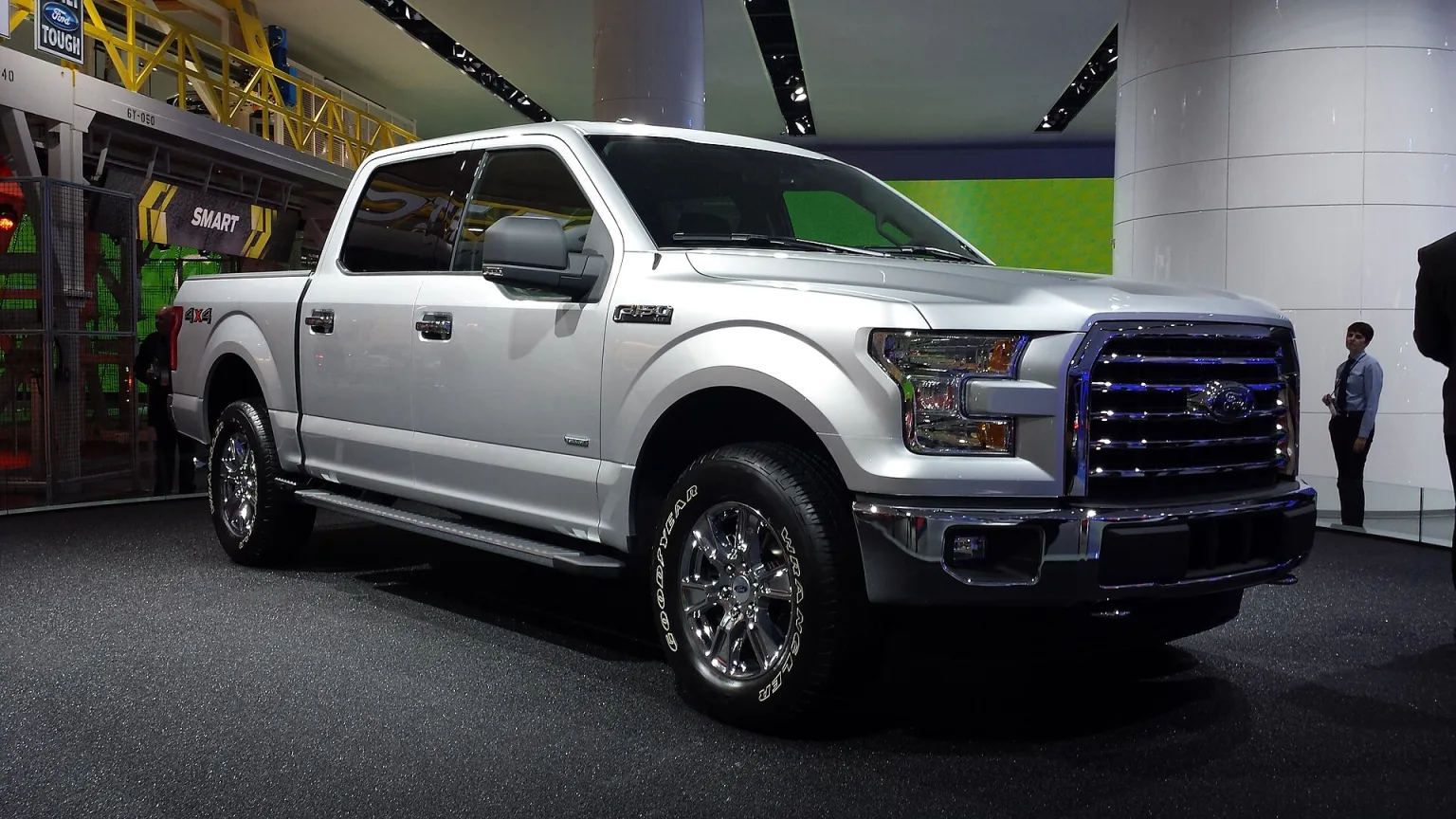
Ford’s decision to switch the F-150 pickup to an aluminium body has set off a scramble among major aluminium producers, who are now racing to supply the automotive sector as demand for lightweight materials grows rapidly. Alcoa, Novelis, Aleris and Constellium are all expanding capacity or considering new plants to meet the needs of carmakers shifting away from steel.
Aluminium has been used in premium models for years, Audi’s A8 and the Range Rover are established examples, but the F-150’s massive sales volume has made the material relevant for the mass market. Ford’s move to aluminium is seen as a turning point, with the company citing weight savings of up to 318kg compared to the previous steel-bodied truck.
Alcoa and Novelis, the established giants in rolled aluminium, have spent decades courting the auto industry. Now, with Ford’s endorsement, both companies are investing heavily to increase automotive sheet output. Novelis has already positioned itself as a leading supplier for automotive rolled products in Europe and is looking to replicate that success in North America. Alcoa is also ramping up production at its US facilities.
New entrants and expansion plans
The surge in demand is drawing in other players. Constellium NV has announced plans for a new body sheet plant in the US, while Aleris and Wise Metals Group are also exploring opportunities for new facilities. Executives at these firms argue that the market is now large enough to accommodate additional producers, and that demand will only increase as more carmakers adopt aluminium for body panels and structural components.
- Alcoa: expanding US automotive aluminium sheet production
- Novelis: increasing capacity in North America and Europe
- Constellium: planning new US body sheet plant
- Aleris: considering new factory investments
- Wise Metals Group: prospecting for entry into automotive supply
Why aluminium now?
Stricter fuel economy and emissions standards in the US and Europe are forcing manufacturers to cut vehicle weight. Aluminium offers a straightforward route to meet these targets, with the added benefit of corrosion resistance. While the material costs more than steel, the weight savings can improve fuel efficiency and offset the price premium, especially in high-volume models like pickups and SUVs.
Outlook for suppliers and carmakers
Industry estimates suggest the automotive aluminium market could grow to $10 billion within a decade. For aluminium producers, the opportunity lies in securing long-term supply contracts with major OEMs. For carmakers, increased competition among suppliers may help control costs as they transition more models to lighter materials. The shift is likely to affect steelmakers, who face the prospect of losing market share in automotive applications.