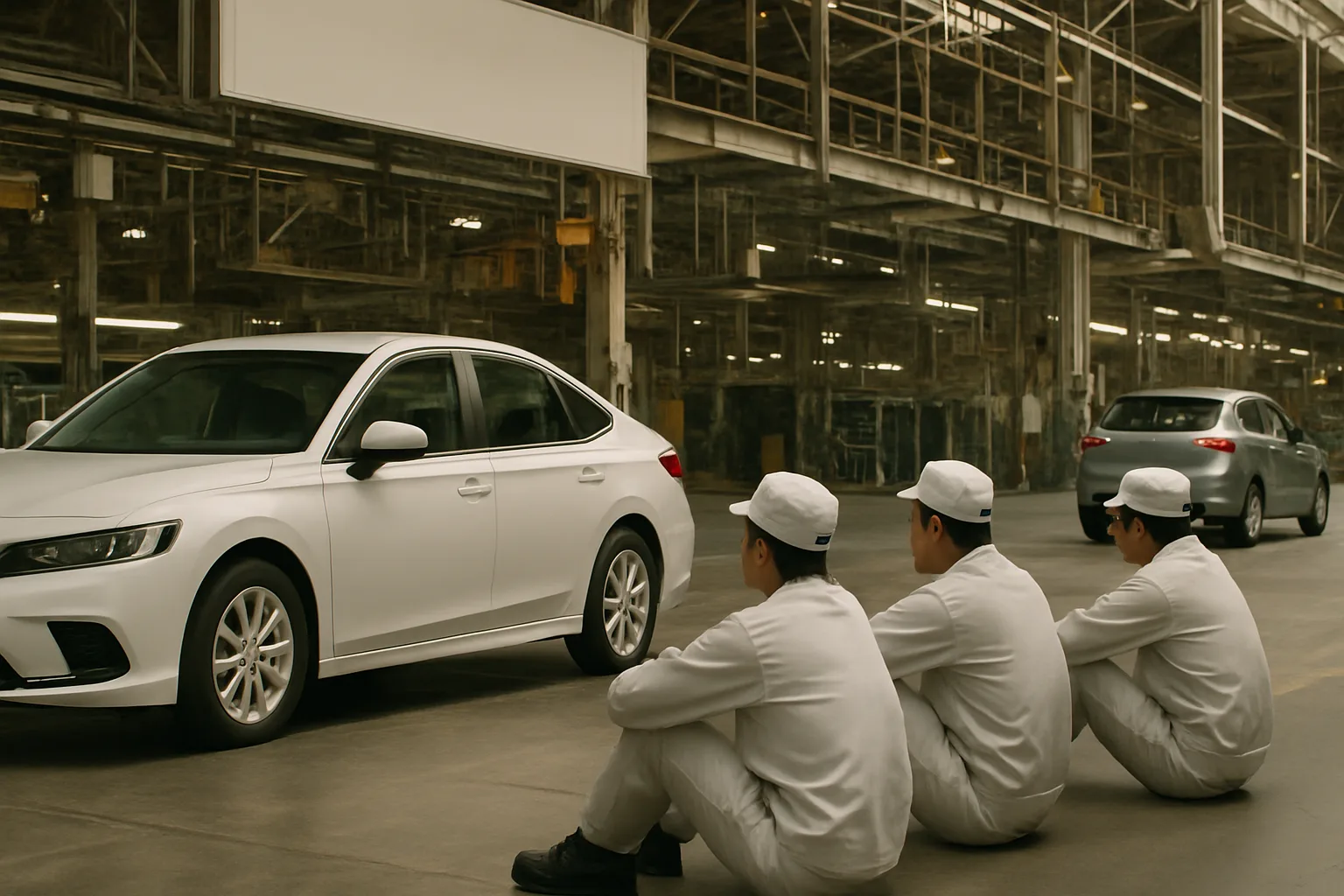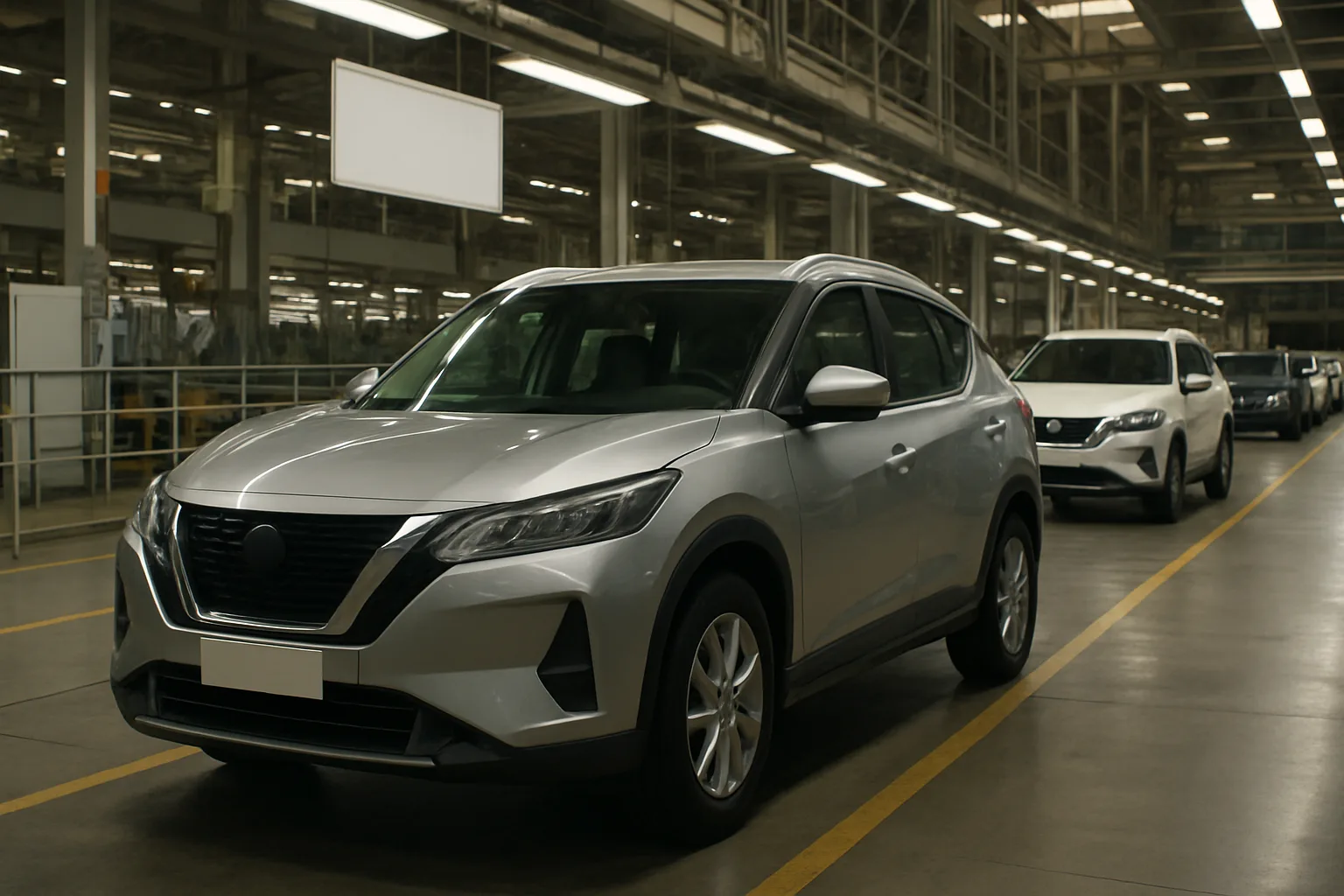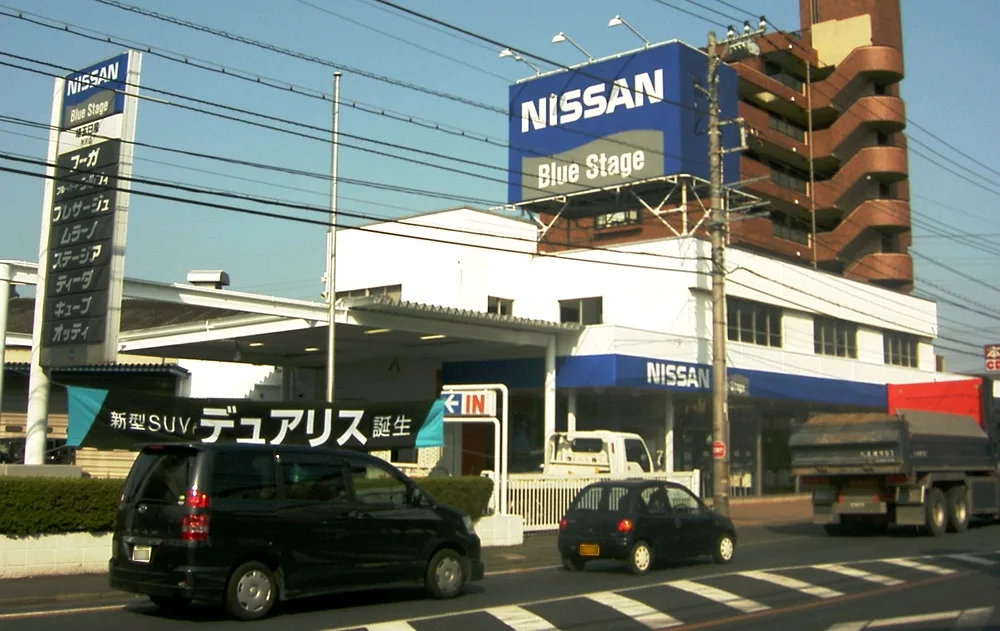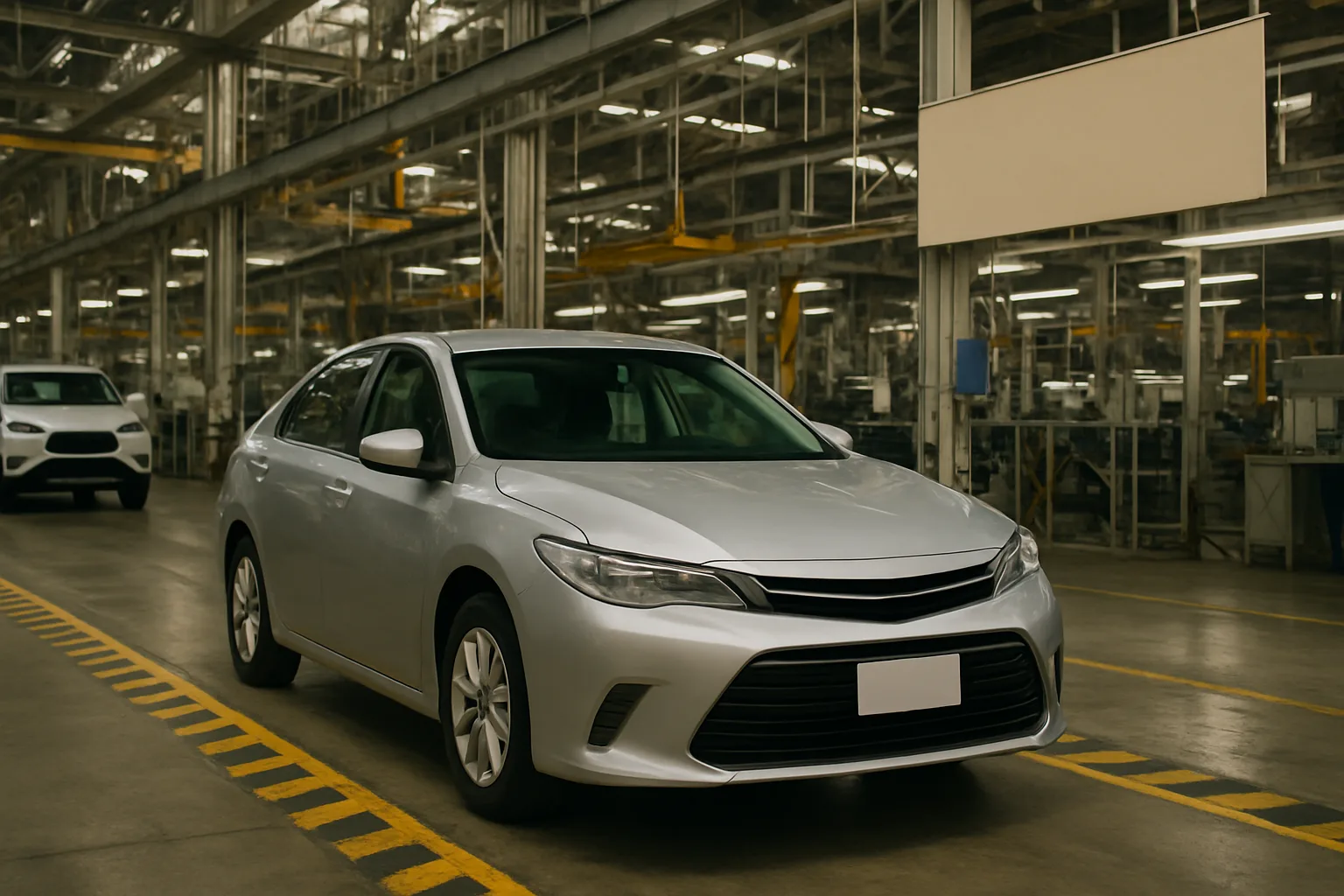
Nissan to Restart Production at Five Japanese Plants After Earthquake
Nissan will resume operations at five domestic plants from 21 March, though output may remain limited and engine production at Iwaki faces further delays.
Coverage tagged Supply chain.
Nissan will resume operations at five domestic plants from 21 March, though output may remain limited and engine production at Iwaki faces further delays.
In 2013, Ford spent $6.5 billion with minority-owned suppliers, surpassing its internal target and highlighting a shift in its global sourcing strategy.
Honda has started recycling rare earth metals from used hybrid batteries, aiming to reduce reliance on new mining and secure future supply for its electric and hybrid vehicles.
Bosch will spend €60 million on a new factory in Jucu, Romania, producing electronic automotive components and creating around 2,000 jobs in the region.
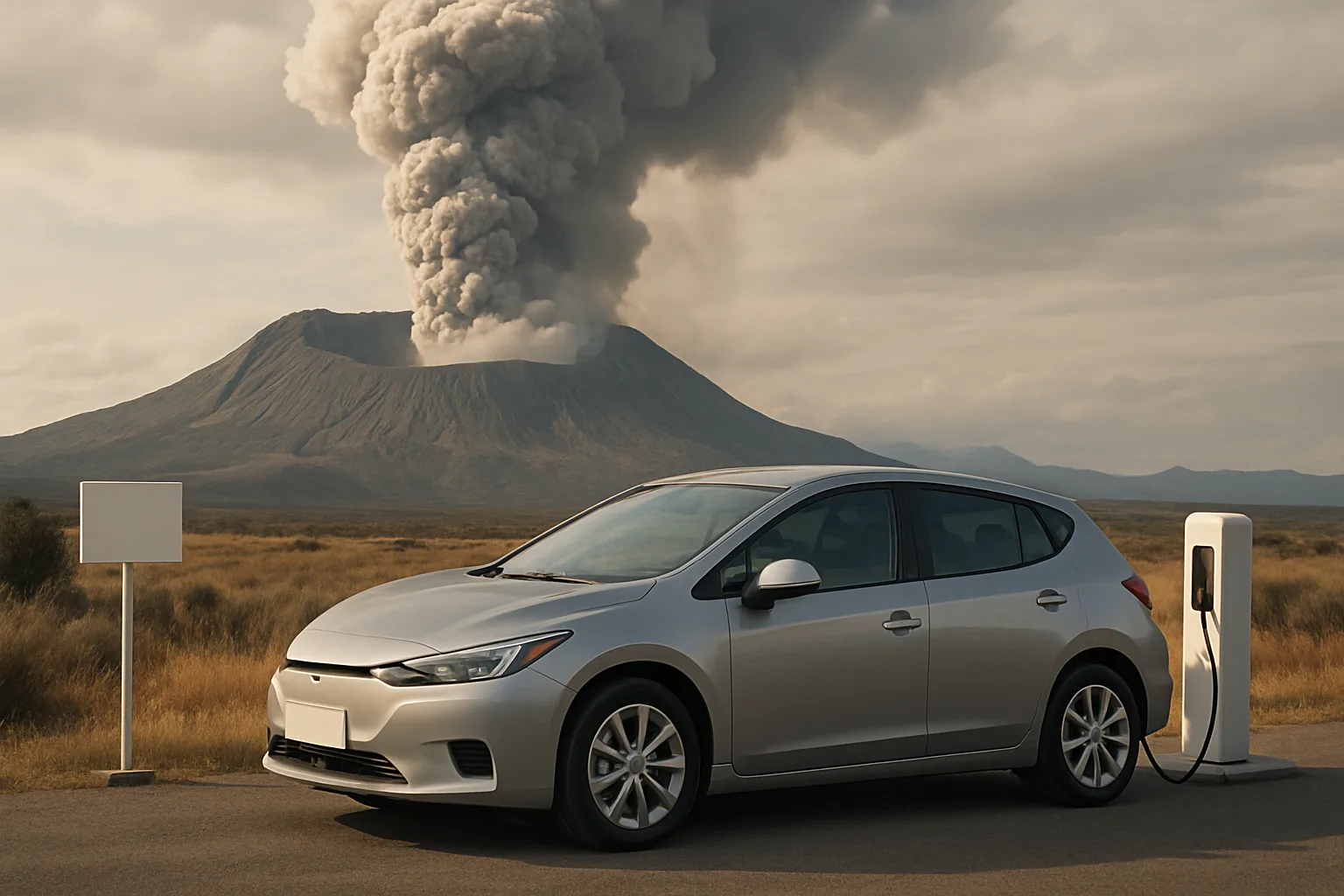
Stanford research highlights dormant supervolcanoes as promising sites for lithium extraction, offering a possible answer to rising demand from electric vehicle manufacturers.
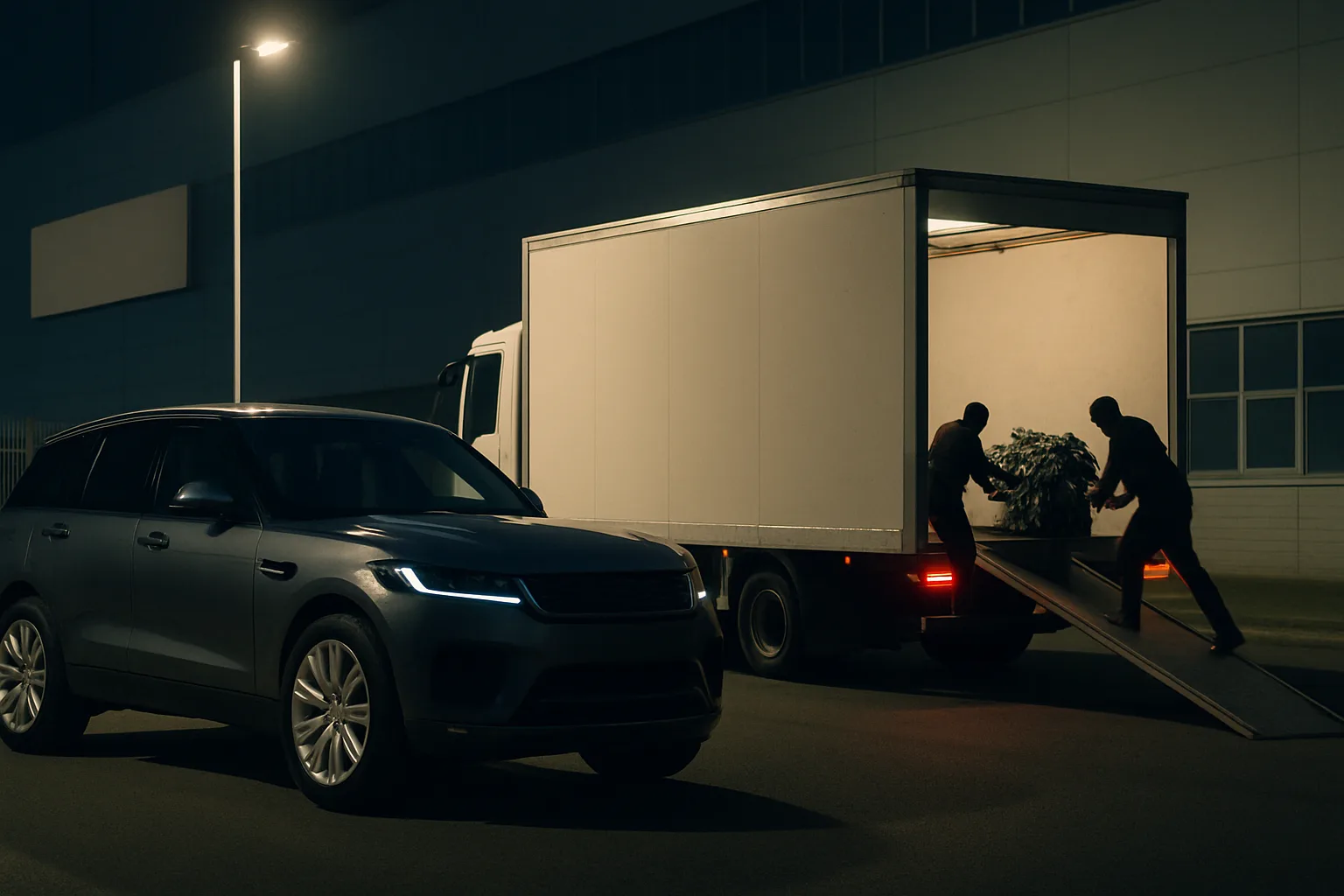
Criminals stole two truckloads of engines worth around £3 million from Jaguar Land Rover’s Solihull plant during a rapid and highly organised raid in early 2017.
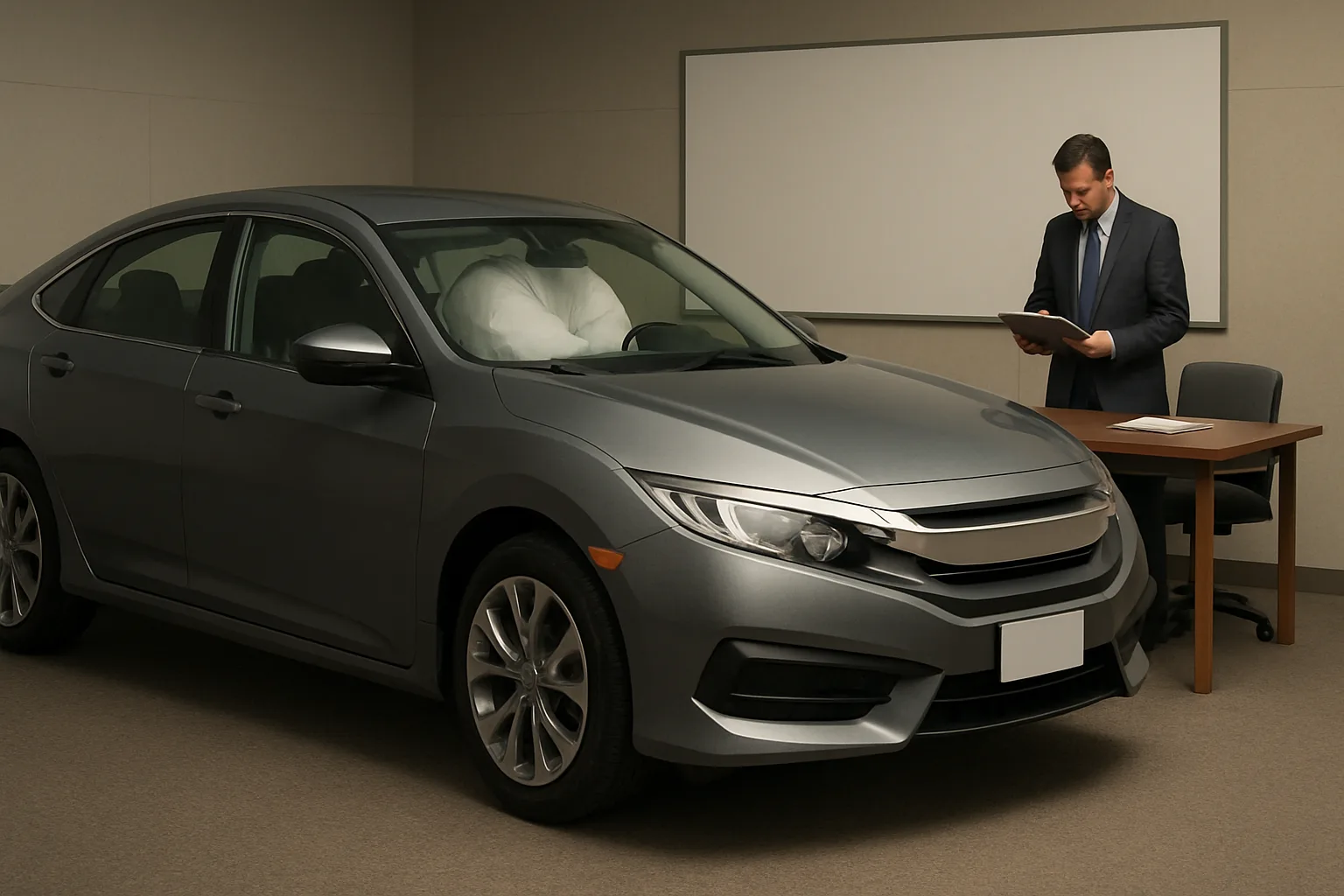
Honda's internal investigation suggests Takata engineers selectively edited airbag inflator test results, raising the prospect of further recalls and deepening the crisis for both companies.
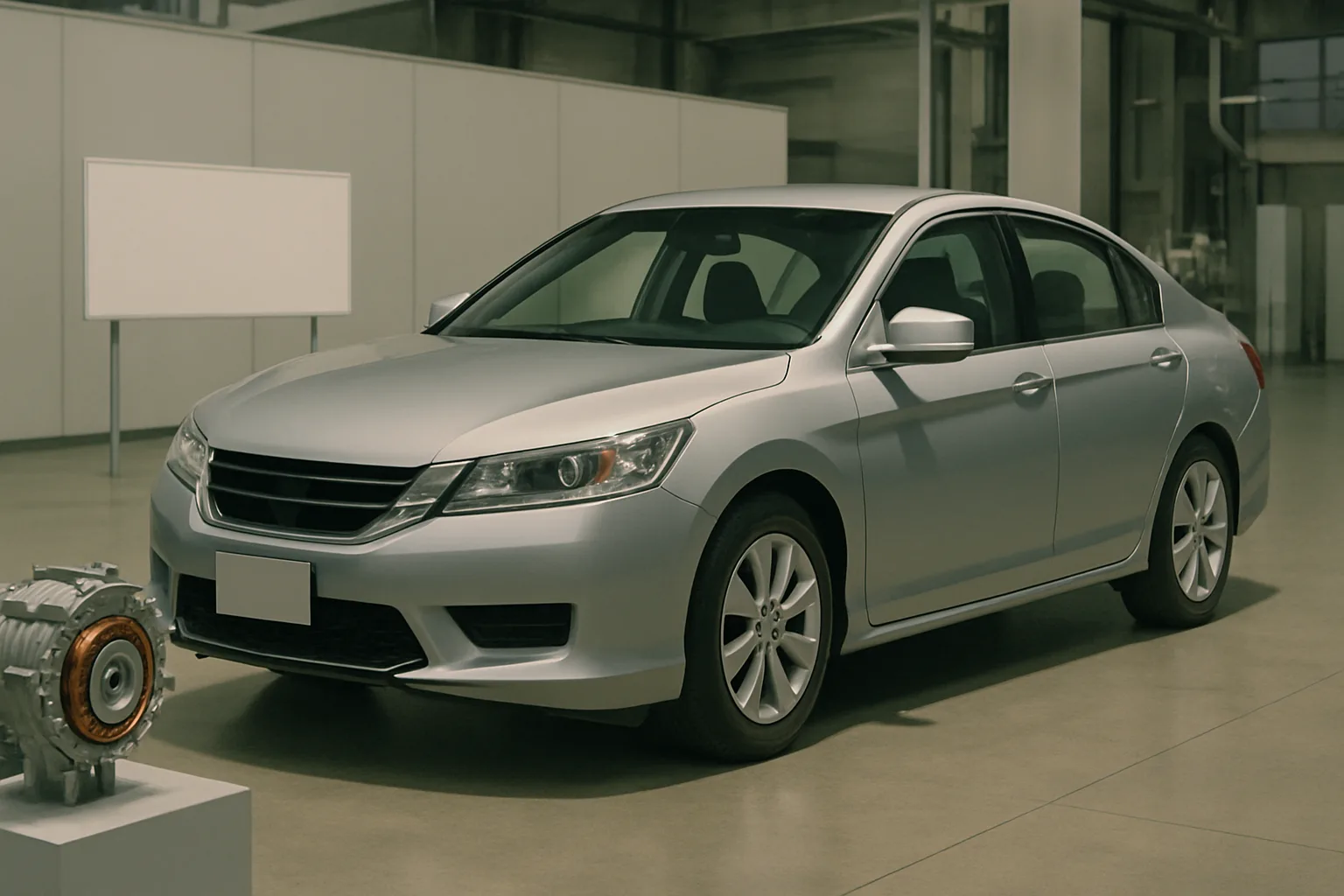
Honda and Daido Steel have created a new electric motor magnet that removes heavy rare earth metals, cutting costs and easing supply risks for upcoming hybrid models.
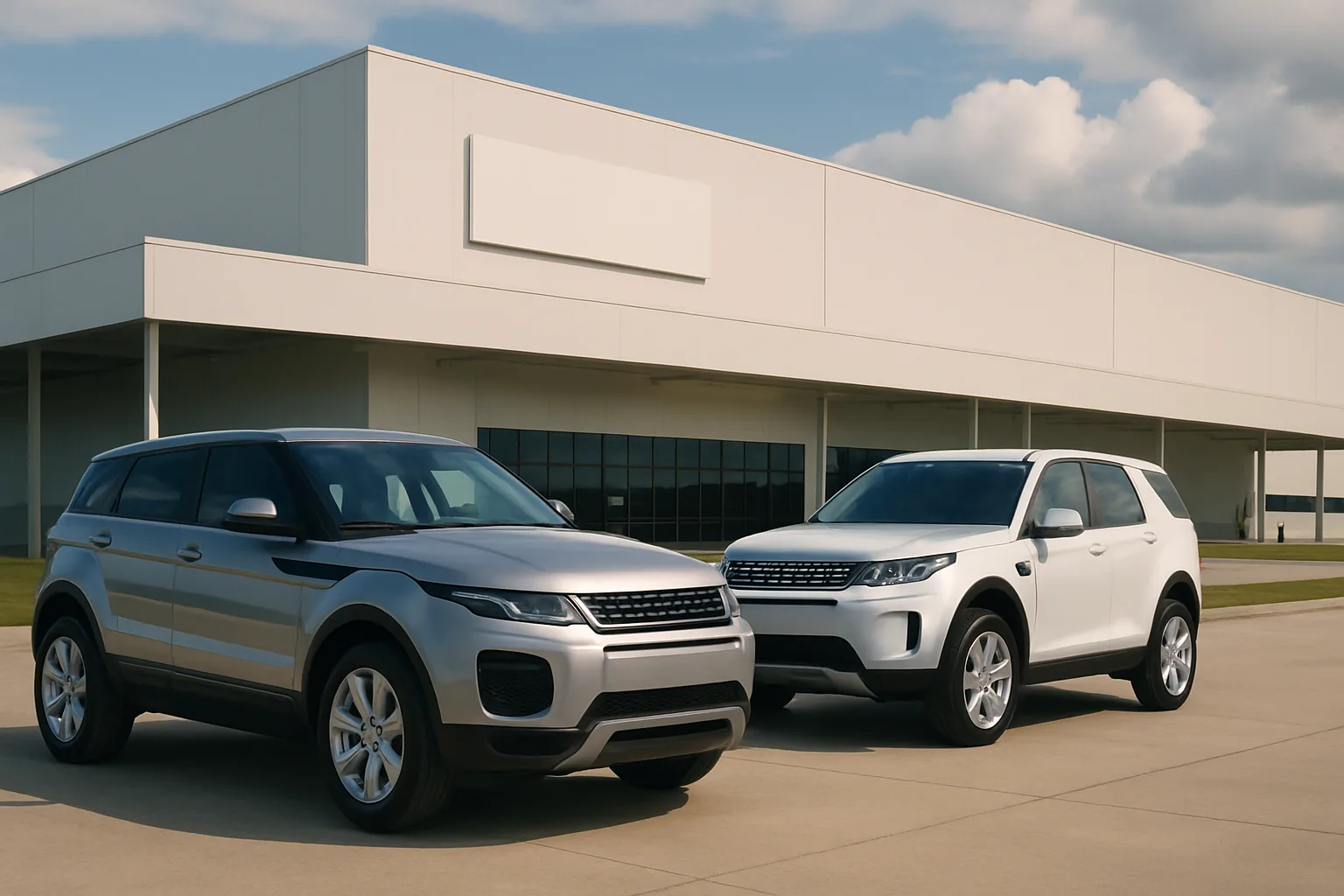
Jaguar Land Rover has opened a new factory in Itatiaia, Brazil, to build the Range Rover Evoque and Discovery Sport for the local market amid challenging economic conditions.
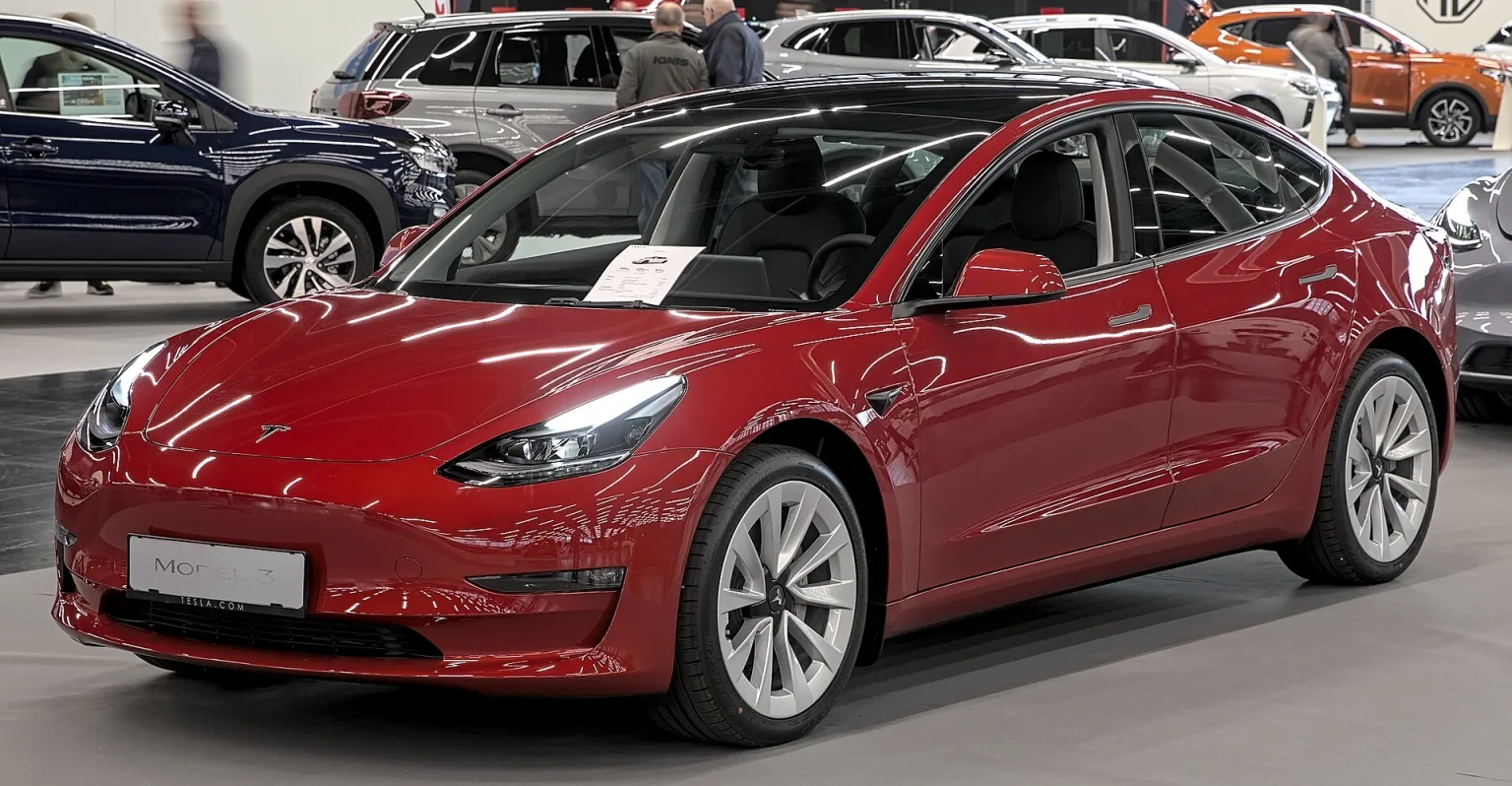
Samsung SDI has begun supplying battery cells to Tesla for Model 3 testing, as Tesla seeks additional suppliers to meet production targets for its most affordable electric car.
Toyota will resume vehicle production at most of its Japanese plants from 25 April, following earthquake-related supply disruptions that halted output for nearly a week.
Takata posted a sharp rise in quarterly profits and revenue, even as global recalls over its defective airbag inflators continued to widen and pressure the supplier.
Mexican officials want half of all vehicle content in the Trans-Pacific Partnership to be sourced from within the bloc, matching stricter North American standards.
Supply problems and special fuel blends in California and neighbouring states have kept US average petrol prices higher, despite falling global crude oil costs.
Takahiro Hachigo, newly appointed as Honda CEO, has dismissed speculation that the company will financially support airbag supplier Takata amid the ongoing recall crisis.
Takahiro Hachigo, a Honda veteran, steps up as president and CEO as the company faces mounting pressure over Takata airbag-related fatalities and recalls.
Major platinum miners look to fuel cell vehicles to revive demand, but battery electrics and hybrids still dominate the green car market.
Subaru will boost capacity at its Indiana plant to nearly 400,000 vehicles by early 2017, four years ahead of its original schedule, as US sales continue to break records.
French supplier Faurecia will form a new joint-venture with Dongfeng in Wuhan, targeting €2bn in deliveries to Dongfeng and its partners including Peugeot, Nissan, Honda and Kia.
Dodge has temporarily frozen new orders for the Challenger and Charger SRT Hellcat models after demand outstripped production, leaving thousands of buyers waiting.
Two senior managers from Mitsuba and T.RAD have received US prison sentences and fines after pleading guilty to price-fixing charges involving Honda supply contracts.
Continental admitted responsibility for the airbag control units at the centre of Audi’s global recall of 850,000 A4 models, with repair costs expected to run into tens of millions of euros.
Falling demand for open top cars in Europe and North America has forced major roof system suppliers like Webasto and Valmet to close or scale back production facilities.
Renault-Nissan is reconsidering its battery sourcing strategy, opening the door to external suppliers such as LG Chem as it aims to scale up electric vehicle production.