AMP Reveals Electric Jeep Grand Cherokee at Detroit
Ohio-based AMP Holdings has launched an all-electric Jeep Grand Cherokee at the 2012 Detroit Auto Show, targeting fleet buyers with a 100-mile range and a $57,400 starting price.
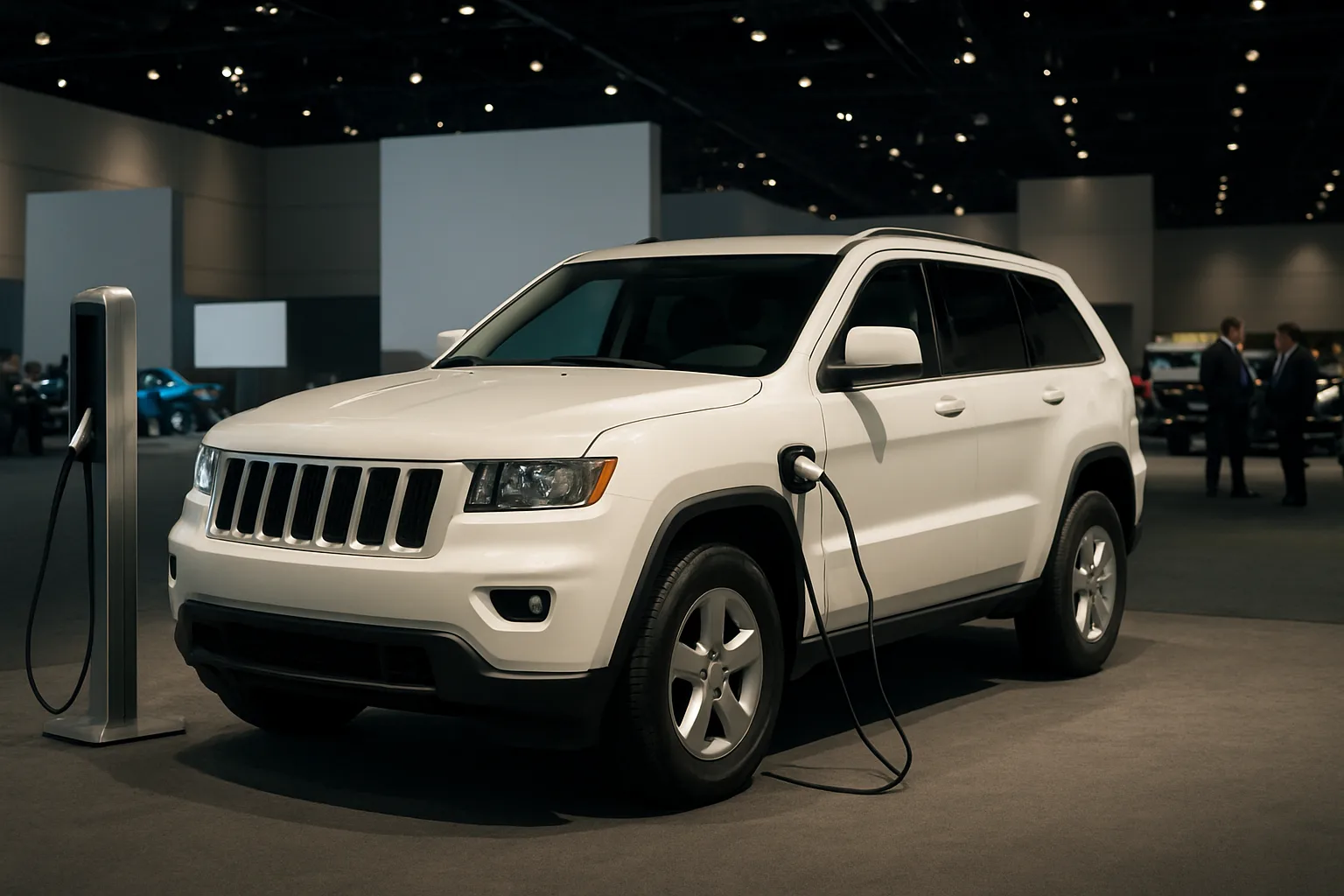
AMP Holdings, an electric vehicle conversion specialist headquartered in Ohio, introduced an all-electric version of the Jeep Grand Cherokee at the 2012 Detroit Auto Show. The unveiling marked a significant step for the company, which has previously focused on converting smaller vehicles to electric power. By choosing the Jeep Grand Cherokee, AMP aimed to demonstrate that even large, traditional SUVs could be adapted to meet growing interest in electric mobility.
AMP Holdings Unveils Electric Jeep Grand Cherokee at Detroit Auto Show
Technical Specifications and Performance
The AMP Grand Cherokee EV is powered by a 37.6 kWh lithium iron phosphate battery pack. This setup delivers an estimated 204hp to the drivetrain. According to AMP, the vehicle is capable of travelling around 100 miles on a full charge. Charging the battery is expected to cost between $3 and $4, based on an average US electricity rate of 10 cents per kWh. These figures position the Grand Cherokee EV as a practical option for organisations needing a zero-emissions SUV for local or regional use.
| Battery Type | 37.6 kWh lithium iron phosphate |
|---|---|
| Estimated Power Output | 204hp |
| Estimated Range | 100 miles (manufacturer estimate) |
| Charging Cost (full charge) | $3–$4 (at 10 cents/kWh) |
| Introductory Price | $57,400 |
| First Deliveries | Autumn 2012 (projected) |
Target Market and Pricing Strategy
AMP set the Grand Cherokee EV’s introductory price at $57,400, positioning it primarily for fleet customers. The company highlighted demand from organisations with “buy American” requirements, making the US-made conversion especially appealing to government agencies and businesses looking to electrify their vehicle fleets. The first dealer to offer the electric Jeep will be Dana Hackney, a multi-line dealer based in Cincinnati, Ohio. AMP projected that the first deliveries of fully validated vehicles would take place in autumn 2012.
The focus on fleet customers rather than individual retail buyers reflects both the high upfront cost and the specialised nature of electric SUV conversions at the time. Early electric vehicles often faced challenges with range and price, and AMP’s Grand Cherokee EV was no exception. However, for fleets operating in urban or suburban environments, the combination of zero tailpipe emissions and lower running costs could help offset the initial investment.
Company Growth and Production Plans
AMP Holdings, employing 40 people at its Loveland, Ohio facility, anticipated growth as a result of the Grand Cherokee EV’s launch. The company expected to add up to 15 jobs in 2012 as orders increased, including international business from Iceland. This expansion reflects growing interest in electric vehicle conversions, not only in the United States but also abroad, where regions with high fuel costs or strong environmental policies may seek alternatives to petrol and diesel vehicles.
Context in the Electric SUV Market
The introduction of the AMP Grand Cherokee EV took place during a period when both established manufacturers and start-ups were exploring ways to electrify larger vehicles. At the time of the Detroit Auto Show, Jeep itself had not yet released a factory-built electric Grand Cherokee. AMP’s conversion offered a unique, US-made alternative for fleets considering the transition to electric power. The project followed AMP’s previous work on other electric conversions, but the Grand Cherokee represented the company’s most ambitious effort to date, targeting a segment of the market that had seen little electrification.
- 37.6 kWh lithium iron phosphate battery
- Estimated 204hp output
- 100-mile range (manufacturer estimate)
- $57,400 starting price
- First deliveries expected autumn 2012
AMP’s announcement at Detroit positioned the Grand Cherokee EV as a rival to both conventional SUVs and early electric crossovers. Its range and price, however, limited its appeal to specific buyers, mainly fleets with predictable daily driving patterns. The company’s focus on commercial customers underscored the challenges facing electric SUVs in the early 2010s, particularly in terms of cost, range, and charging infrastructure.
Broader Implications and Future Prospects
The AMP Grand Cherokee EV’s debut at the Detroit Auto Show illustrated the growing momentum behind electric vehicles, even in traditionally petrol-dominated segments like large SUVs. While the model’s high price and limited range restricted its mass-market appeal, it served as an example of how existing vehicles could be adapted for electric propulsion. The project also highlighted the role of smaller companies in advancing electric mobility, especially when major automakers were still cautious about electrifying their larger models.
For those interested in the Jeep Grand Cherokee’s ongoing evolution, further developments can be found in coverage of the 2012 Jeep Grand Cherokee SRT8, which at the time was the fastest Jeep ever produced. The electric Grand Cherokee by AMP, however, pointed towards a different future, one focused on sustainability, lower running costs, and the possibility of American-built electric SUVs for fleet use.