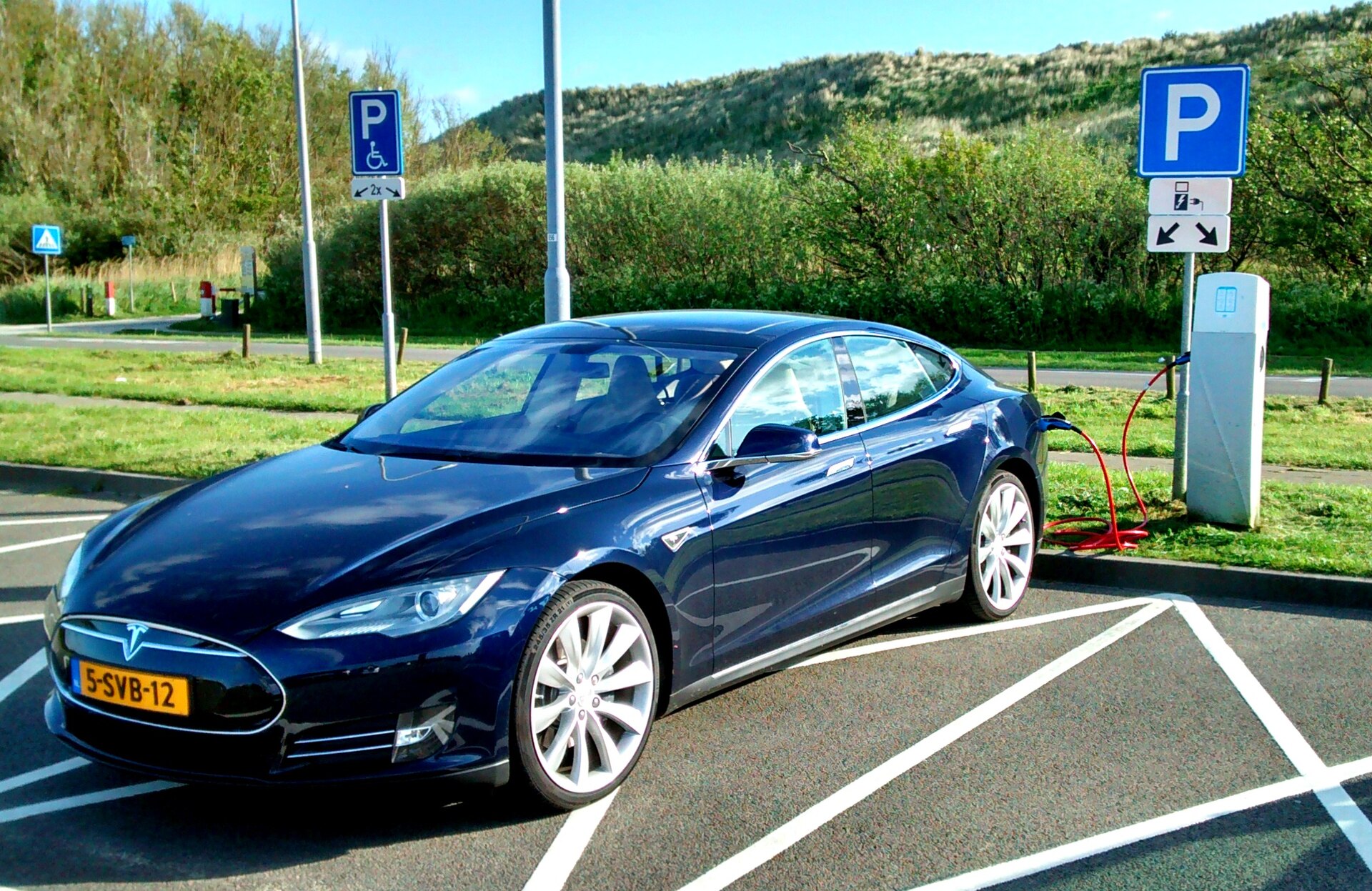
Tesla Model S rear-ends car in California while on Autopilot
A Tesla Model S driver claims Autopilot failed to prevent a rear-end collision on a California motorway, as debate continues over responsibility for crashes involving autonomous features.
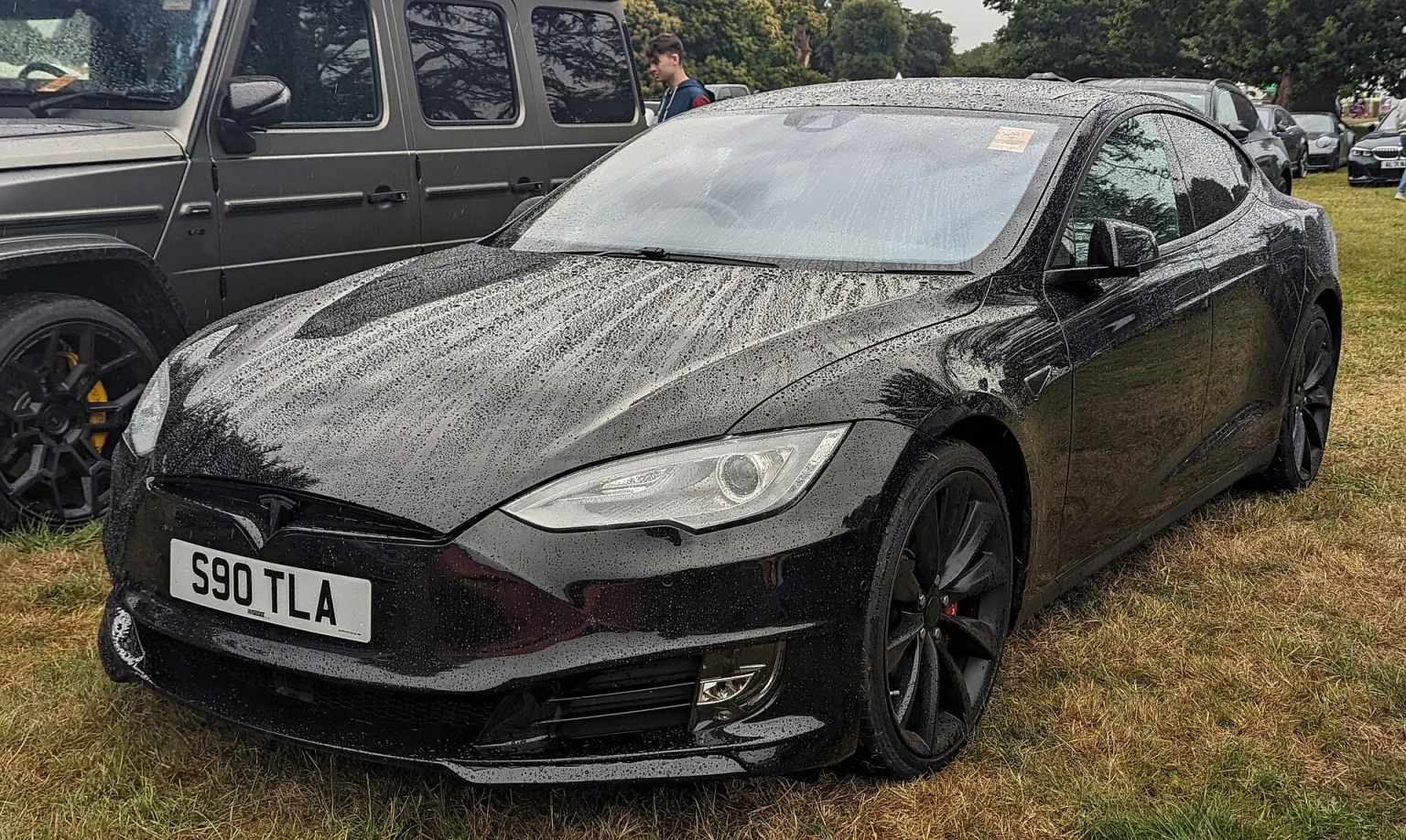
A Tesla Model S rear-ended another vehicle on a California motorway while Autopilot was engaged. The driver, Arianna Simpson, reported that the car’s forward-collision-avoidance system did not react quickly enough, forcing her to brake late and resulting in a collision at around 40 mph. Simpson stated she was relying on Autopilot at the time, and that the system failed to prevent the impact.
Details of the California Crash
Tesla responded by explaining that Simpson’s actions, braking and steering, cancelled the Autopilot feature, returning full control to her. The company maintains that Autopilot is an advanced driver assistance system, not a fully autonomous solution, and that drivers must remain attentive and ready to take control at all times.
Recent Incidents Involving Tesla’s Autonomous Features
- A Utah Model S owner claimed the Summon feature caused the car to hit a trailer; Tesla attributed this to improper use.
- There have been several previous reports of crashes where Autopilot or Summon was engaged, leading to debate over system reliability and driver responsibility.
- In each case, Tesla has pointed to the need for drivers to supervise and intervene when necessary.
Tesla’s Position on Driver Responsibility
Tesla consistently states that while Autopilot can assist with steering, braking, and acceleration, it does not absolve drivers of responsibility. The system is designed to support, not replace, human judgement. Tesla advises that drivers should never take their hands off the wheel or rely entirely on the technology, emphasising that the driver must always be prepared to take control.
Safety and Regulatory Concerns
This latest incident adds to calls for clearer guidance on the use of semi-autonomous systems and what buyers can expect from them. As more manufacturers introduce advanced driver assistance features, regulators and safety advocates are closely monitoring crash data and user behaviour. The ongoing debate centres on how much responsibility should rest with the driver versus the technology, especially as incidents related to these systems continue to emerge.
Summary Table: Recent Tesla Incidents Involving Autonomous Features
| Date | Location | Feature Involved | Tesla's Response |
|---|---|---|---|
| Recent | California | Autopilot | Driver intervention disabled Autopilot |
| Earlier | Utah | Summon | Improper use by driver |