Tesla’s Eco Credentials Questioned by Lifecycle Emissions Study
MIT researchers found the Tesla Model S produces higher lifecycle CO2 emissions than the Mitsubishi Mirage, challenging assumptions about electric vehicles’ environmental benefits.

A Massachusetts Institute of Technology study has found the Tesla Model S emits more CO2 over its full lifecycle than the petrol-powered Mitsubishi Mirage, casting doubt on the assumption that electric vehicles are always the greener choice.
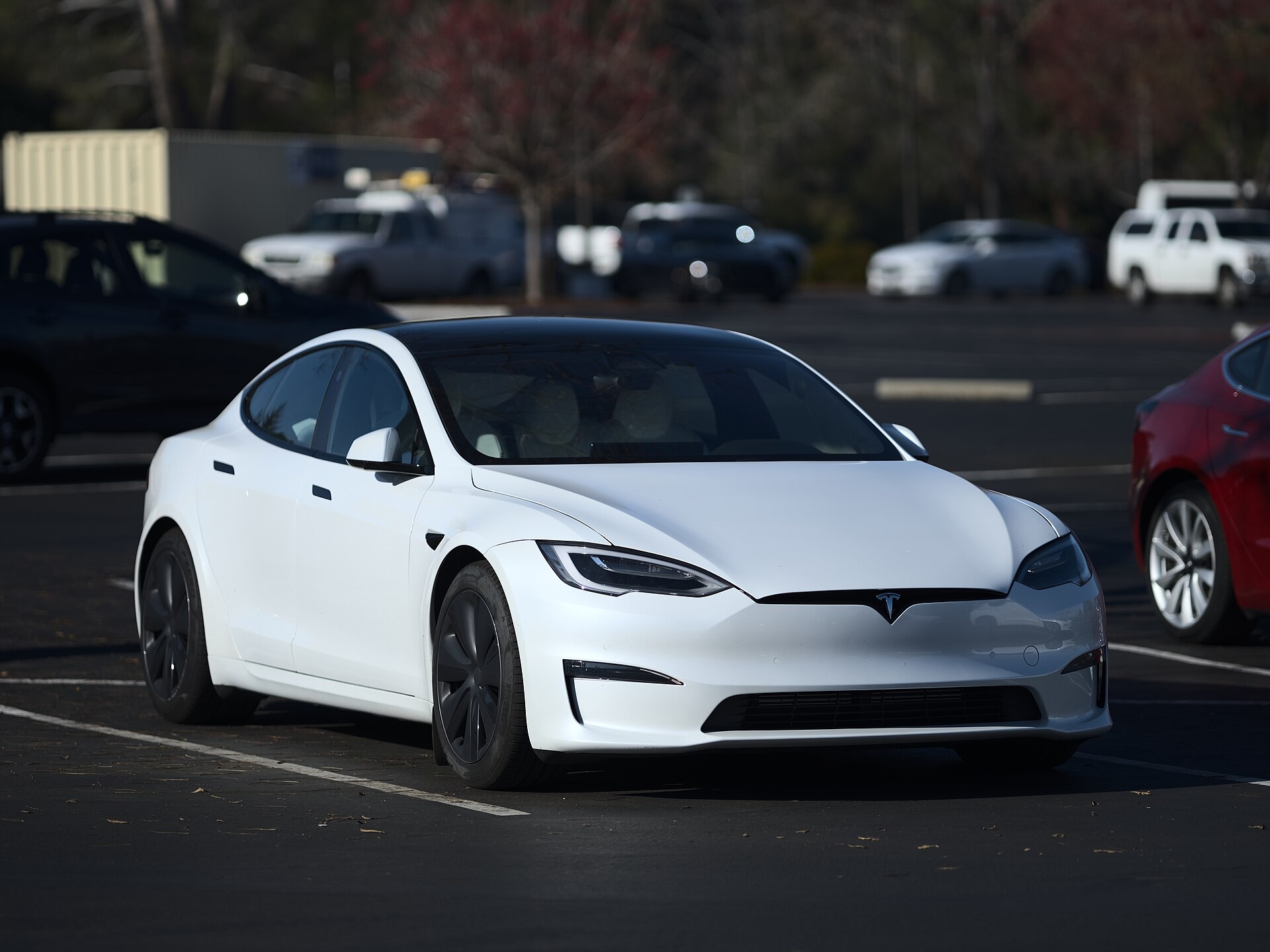
Lifecycle emissions: production to scrappage
The MIT Trancik Lab assessed emissions from manufacturing, use, and disposal for each vehicle. While the Mirage emits 192 grams of CO2 per kilometre, the Model S comes in at 226g/km. The BMW 7-Series, by comparison, is far higher at 385g/km. The figures include the carbon footprint of electricity generation for the Tesla, not just tailpipe emissions, as well as the energy and materials required to build and eventually scrap each car.
The Mirage’s advantage comes from its light weight, small petrol engine and modest materials footprint. In contrast, the Model S’s large lithium-ion battery pack and the emissions associated with battery production and electricity generation raise its total lifecycle impact. The study’s authors stressed that both hybrids and electric vehicles are still better than conventional large petrol cars, but the results highlight that not all EVs are equal in environmental terms.
Battery production and recycling challenges
Much of Tesla’s environmental impact comes from its lithium-ion batteries. Manufacturing these batteries is energy-intensive and often relies on electricity from fossil fuels, especially at mining and processing sites. While Tesla’s Gigafactory aims to scale up battery production and eventually incorporate on-site recycling, the current global recycling rate for lithium-ion batteries remains below 5%, compared to over 90% for traditional lead-acid batteries. Transporting batteries for recycling can increase their environmental footprint further, particularly when raw materials are shipped long distances for processing and reuse.
Tesla has taken steps to address these issues, including plans for on-site recycling at the Gigafactory and investments in renewable energy at its facilities. However, the company’s rapid growth and the global surge in lithium demand mean that the environmental consequences of battery production and disposal remain a concern for the wider electric vehicle sector.
Electric cars and the source of electricity
The carbon footprint of an electric vehicle depends heavily on how its electricity is generated. In regions where coal or gas are the main sources, the environmental benefit of driving a Tesla is reduced. Conversely, where renewables dominate the grid, the Model S’s operational emissions fall sharply. The MIT study’s figures reflect a mix of energy sources, but the underlying message is that the eco credentials of any EV are tied to the energy system that supports it.
Tesla’s mission to accelerate sustainable transport has pushed the industry forward, but the company and its customers face a more complex environmental reality than simple tailpipe comparisons suggest. For buyers who prioritise low CO2 emissions above all else, small, efficient petrol cars like the Mirage can still outperform large, battery-heavy EVs on a full lifecycle basis. As battery recycling improves and electricity grids decarbonise, the balance may shift further in favour of electric vehicles.
How Tesla compares to other eco-friendly options
The MIT findings place the Model S ahead of conventional luxury saloons in emissions terms, but behind the lightest petrol cars. Buyers considering other low-emission options may also look to hybrids and plug-in hybrids. For more on alternative green vehicles, seeKelley Blue Book Names Top 10 Green Cars for 2010.