Romania in Talks With Global Carmakers for Third Vehicle Plant
Romania’s government is negotiating with two major automakers, one European and one non-European, over plans for a new car manufacturing facility in the country.
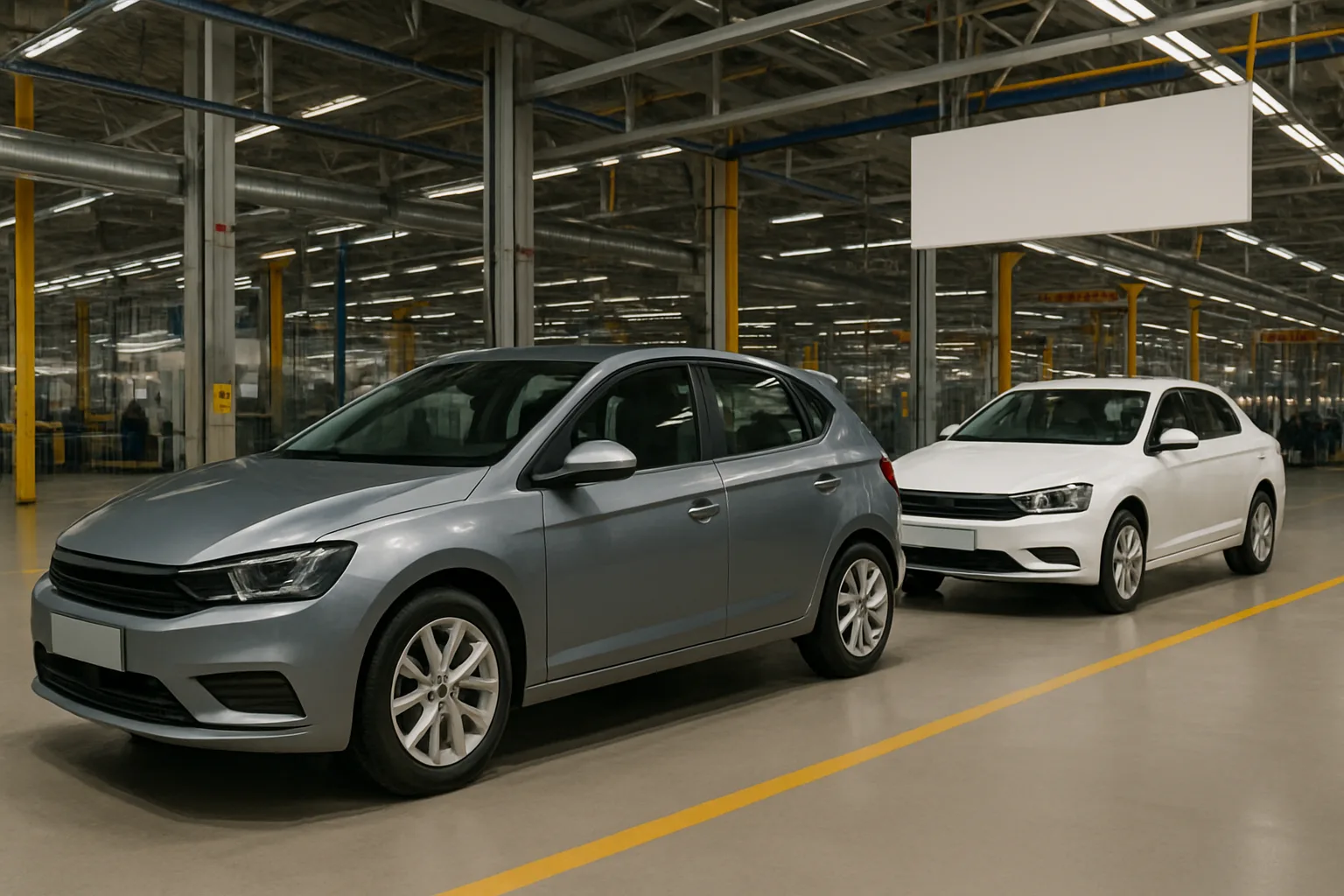
Romania’s economy minister, Costin Borc, has confirmed that the government is in negotiations with two major global carmakers regarding the establishment of a new vehicle manufacturing plant in the country. The discussions, which Borc revealed during an interview with the television station Digi24, involve one European manufacturer and one company from outside Europe. No specific automakers were named, and further details about the negotiations remain confidential at this stage.
Romania Pursues New Automotive Investment
Current Automotive Landscape in Romania
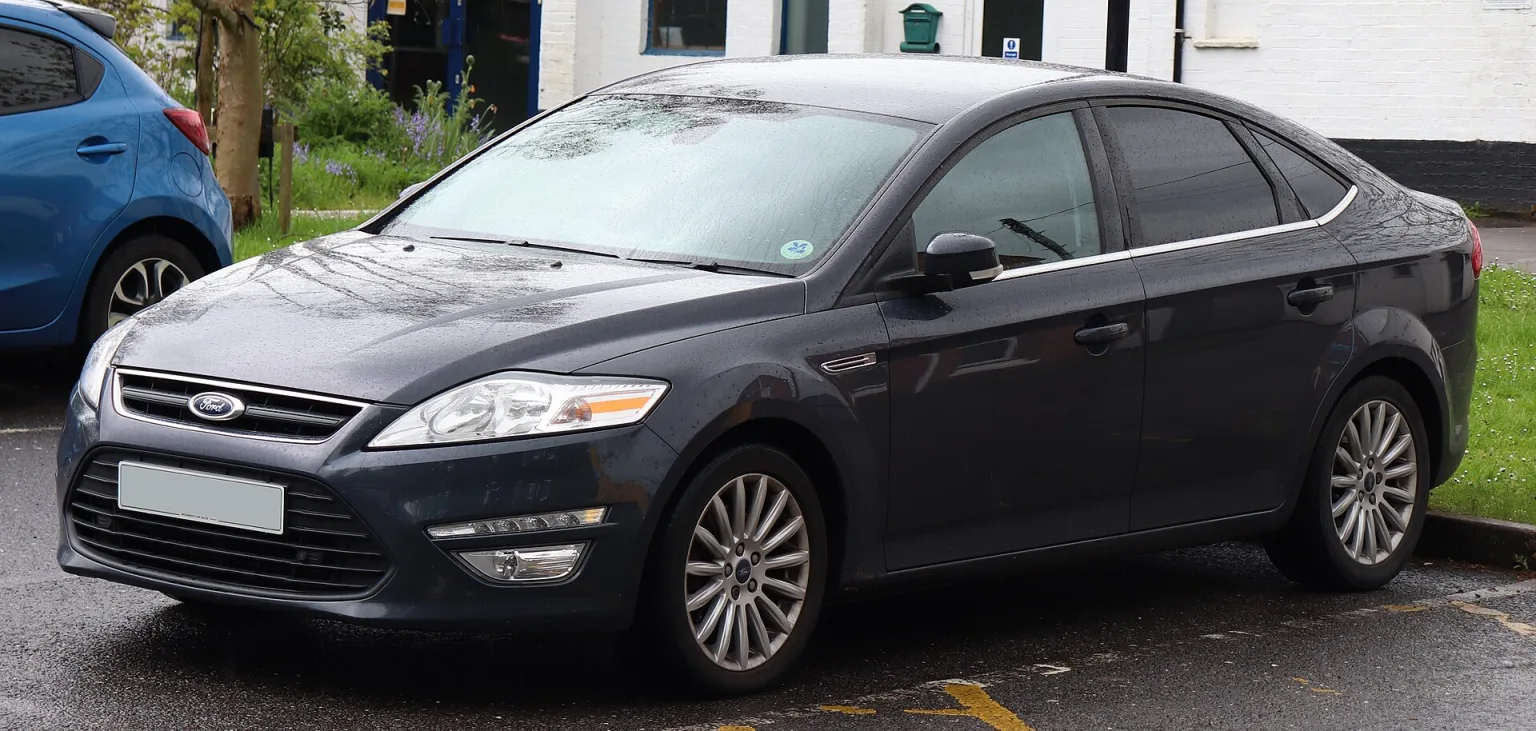
Romania already hosts significant automotive manufacturing operations. Renault, through its Dacia brand, operates a major plant in Pitesti. In 2015, this facility produced around 340,000 vehicles, making it a key contributor to the country’s automotive output. Ford is another major presence, having invested in a production plant in Craiova. The Craiova plant manufactures the B-Max mini-MPV and 1.0-litre EcoBoost engines. In addition, Ford announced plans to shift production of the EcoSport small SUV to Craiova from 2017, signalling an expansion of its Romanian operations.
Daimler, through its Mercedes-Benz subsidiaries, has facilities in Romania as well. However, Daimler’s operations focus on the production of gearboxes, including the 9G-TRONIC, as well as gearwheels, shafts, and other machined components for engines, transmissions, and steering systems. Unlike Renault and Ford, Daimler does not assemble complete vehicles in Romania.
Government Support and Supplier Incentives
The Romanian government is considering support measures for local automotive suppliers as part of its strategy to attract further investment. Costin Borc indicated that incentives could be introduced to help suppliers scale up their operations and better serve both existing and prospective vehicle manufacturers. While no specific details or commitments have been announced, such measures could include financial incentives or other forms of support to strengthen the local supply chain.
Regional Competition for Automotive Investment
Romania faces competition from other Central and Eastern European countries, which have also become attractive locations for automotive manufacturing. In recent years, automakers have expanded their manufacturing footprints in the region, establishing new plants in countries such as Hungary, Slovakia, and Poland. These developments have intensified the race to secure new investments from global carmakers.
The push for a third full vehicle plant is part of Romania’s broader strategy to strengthen its position within the European automotive supply chain. In 2015, Romania produced more than 400,000 vehicles, primarily from the Dacia and Ford plants. Attracting another major automaker could further boost the country’s industrial output, create new jobs, and enhance the competitiveness of its automotive sector.
Potential Impact of a New Car Plant
The establishment of a new car manufacturing plant in Romania would likely have significant economic and social impacts. Increased production capacity could lead to more employment opportunities, both directly in manufacturing and indirectly through the supply chain. It could also encourage further investment in infrastructure and technology, strengthening Romania’s role as an automotive hub in the region. However, until negotiations conclude and more information is released, the identities of the potential investors and the specific timeline for the project remain unknown.