Asian Consortium Plans to Revive Saab as Electric Vehicle Brand
A group of Japanese and Chinese investors has emerged as a leading bidder for Saab, proposing to restart production in Sweden with a focus on electric vehicles and battery assembly.
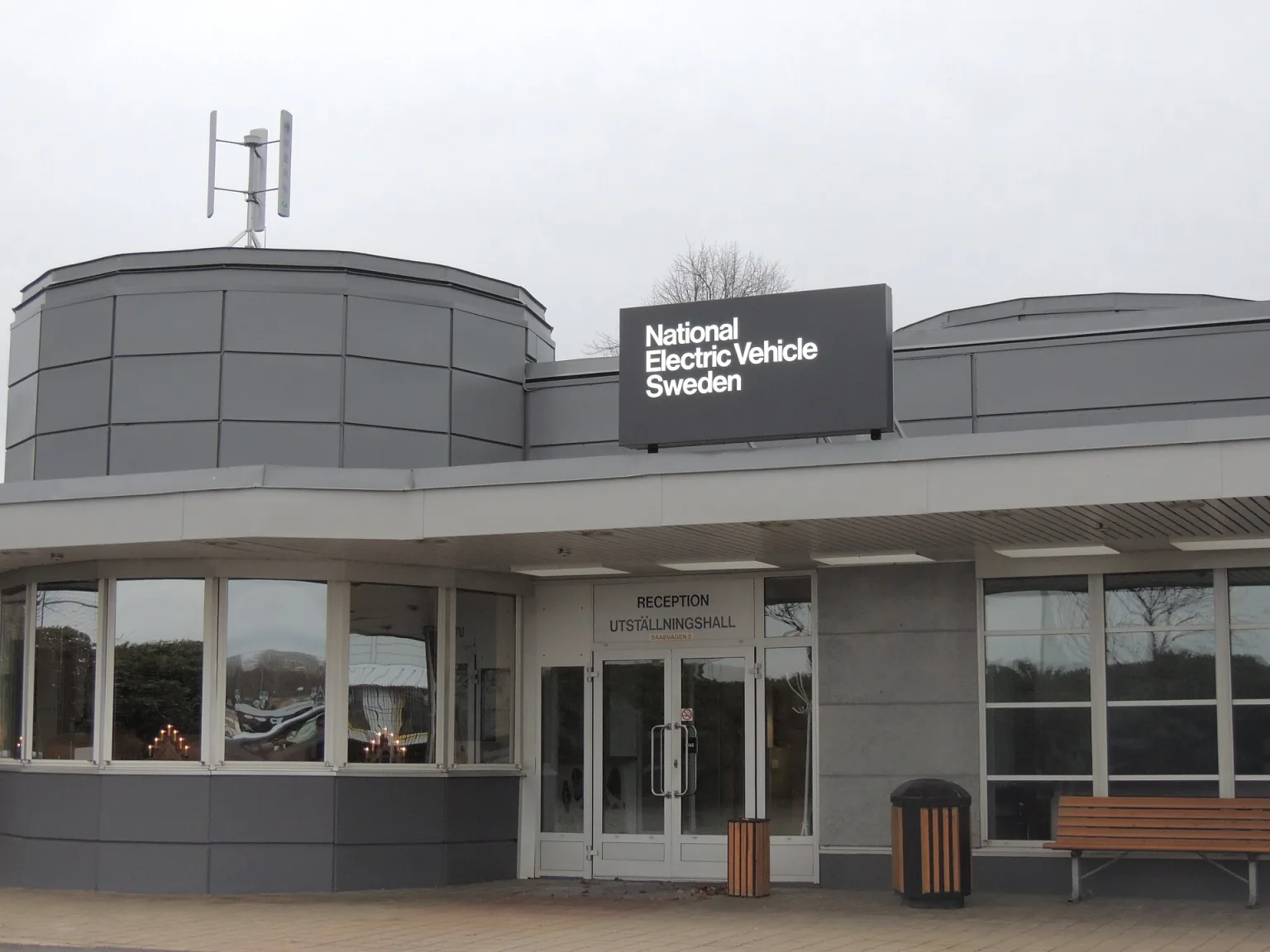
A consortium of investors from Japan and China has made a formal bid for Saab’s assets, proposing to relaunch the bankrupt Swedish marque as a specialist in electric vehicles. The plan includes restarting car production at Saab’s Trollhättan plant and establishing a new battery assembly facility in the same region.
Saab, once a staple of the Swedish car industry, ceased production in early 2011 after financial difficulties left it unable to pay suppliers or workers. The company entered bankruptcy in December that year, following unsuccessful attempts by its Dutch parent Swedish Automobile to secure a rescue deal involving Chinese partners. General Motors, which still held technology licences, blocked those efforts.
Consortium’s plan for Saab and Trollhättan
The Asian group’s proposal would see Saab reborn as an electric-only manufacturer. Production would resume at the historic Trollhättan plant in western Sweden, which has stood idle since the bankruptcy. The plan also includes a new battery assembly facility in the town, which could provide jobs and help build a local supply chain for electric vehicle production.
The consortium joins a crowded field of potential buyers. Other reported bidders include Youngman, the Chinese company previously involved in failed rescue talks, India’s Mahindra, as well as established manufacturers BMW and Volvo Car Corporation. Each bidder is believed to have proposed a different direction for the brand and its assets.
Electric ambitions and battery production
If successful, the Asian consortium’s strategy would make Saab one of the few legacy European brands fully dedicated to electric vehicles. The addition of a battery plant in Trollhättan is intended to support both vehicle production and the broader shift towards localised battery supply in Europe. Details on the scale of investment, planned models or production targets have not been disclosed.
Uncertainty over Saab’s future
Saab’s fate remains uncertain as the bankruptcy administrators consider rival bids. The involvement of multiple international investors reflects the value placed on Saab’s brand, technology and manufacturing base, despite the company’s recent troubles. Any deal remains subject to regulatory approval and, critically, the willingness of technology licensors such as General Motors to support a transfer of assets. GM’s previous opposition to Chinese-backed rescue deals was a key factor in Saab’s collapse.
With the bidding process ongoing, Trollhättan’s future as a car-making centre now depends on whether any of the proposals can overcome the obstacles that have blocked previous attempts to revive the marque.