Bosch forecasts €1bn sales from assisted driving tech by 2016
Bosch expects its automated driving assistance business to reach €1 billion in sales by 2016, driven by demand for radar and video sensor systems from global carmakers.
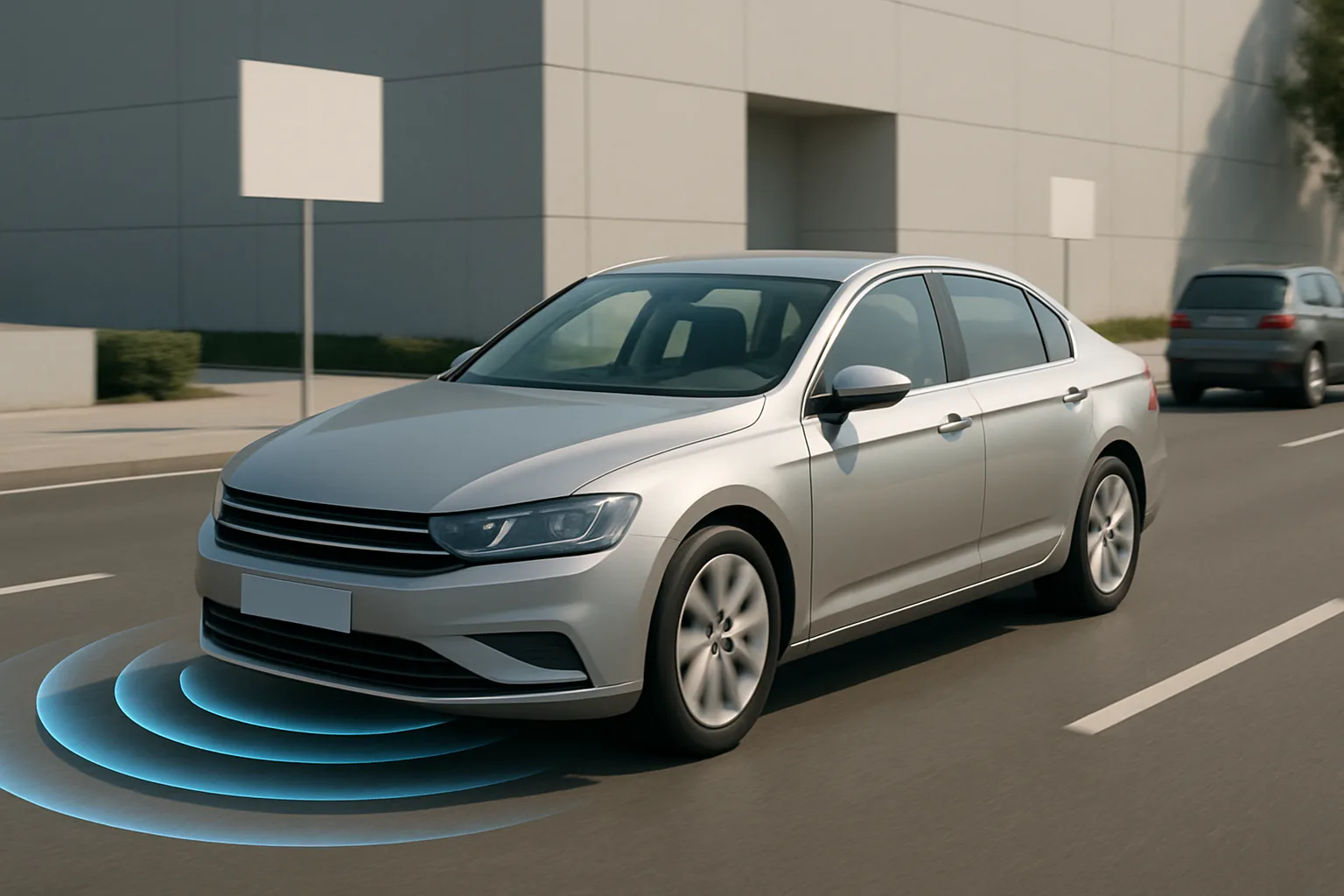
In 2015, Bosch, one of the world’s largest automotive suppliers, projected that its automated driving assistance systems would generate €1 billion in sales by 2016. This ambitious target reflected the rapid growth in demand for driver assistance technologies, particularly radar and video sensors, among global carmakers. The move towards safer and more fuel-efficient vehicles was a major factor in boosting the adoption of these systems.
Bosch's €1 Billion Assisted Driving Sales Target
| Year | Sensor Sales | Engineering Workforce |
|---|---|---|
| 2014 | 50 million+ surround sensors sold | 2,000 engineers (after 700 added) |
| 2015 | Radar and video sensor sales expected to double again | |
| 2016 | 10 millionth radar sensor expected |
Growth in Driver Assistance Technology
Bosch experienced a significant surge in sales of its driver assistance systems. In 2014 alone, the company sold more than 50 million surround sensors, highlighting the scale of the market opportunity. The company reported that sales of radar and video sensors had doubled in 2014 and anticipated a similar increase in 2015. To support this expansion and the growing complexity of driver assistance features, Bosch increased its engineering workforce by 700, bringing the total number of engineers working on these technologies to around 2,000.
Bosch’s client base for these advanced systems included major automotive manufacturers such as BMW and Tesla. The company’s expanding portfolio and partnerships reinforced its position as a leading supplier in the competitive automotive technology sector. Bosch also expected to reach the milestone of producing its 10 millionth radar sensor by 2016, underlining the scale of its operations and the widespread adoption of its products.
Collaboration with Google and Industry Developments
The development of self-driving and connected cars opened new opportunities and competition, drawing in technology firms like Google. Bosch was directly involved in these advancements, supplying both powertrain and sensor systems for Google’s self-driving car prototypes. In July 2015, Google began testing its autonomous vehicles on public roads in Austin, Texas. These tests aimed to collect real-world data on traffic, road conditions, and interactions with pedestrians, further advancing the technology and its readiness for broader deployment.
- Bosch supplied sensors and powertrain components for Google's self-driving car project.
- Google started testing autonomous vehicles in Austin, Texas in July 2015.
- Bosch’s clients also include BMW and Tesla, reflecting its reach in both traditional and emerging automotive markets.
Bosch’s collaboration with Google demonstrated the shifting relationships between traditional automotive suppliers and new entrants from the technology sector. The integration of advanced sensors and automated systems required close cooperation, as well as adaptation to the rapid pace of innovation in both hardware and software.
Advances in Automation and Market Implications
According to Bosch board member Dirk Hoheisel, the possibility of autonomous driving on motorways depended on the resolution of legal and insurance challenges. Advances in affordable software, processors, and camera technology were enabling manufacturers to introduce new semi-autonomous safety functions, such as automated emergency braking and lane keeping. These features were making vehicles safer and accelerating the transition towards more automated driving experiences.
The growing regulatory emphasis on vehicle safety, combined with consumer demand for convenience and efficiency, positioned suppliers like Bosch to benefit from the wider adoption of driver assistance systems. The company’s investments in engineering talent and technology development were central to maintaining its competitive edge as the automotive industry continued to evolve.