Audi demonstrates progress towards fully autonomous driving
Audi’s piloted driving prototypes have completed autonomous journeys on US roads and race circuits, but legal and commercial hurdles remain before buyers see production-ready systems.
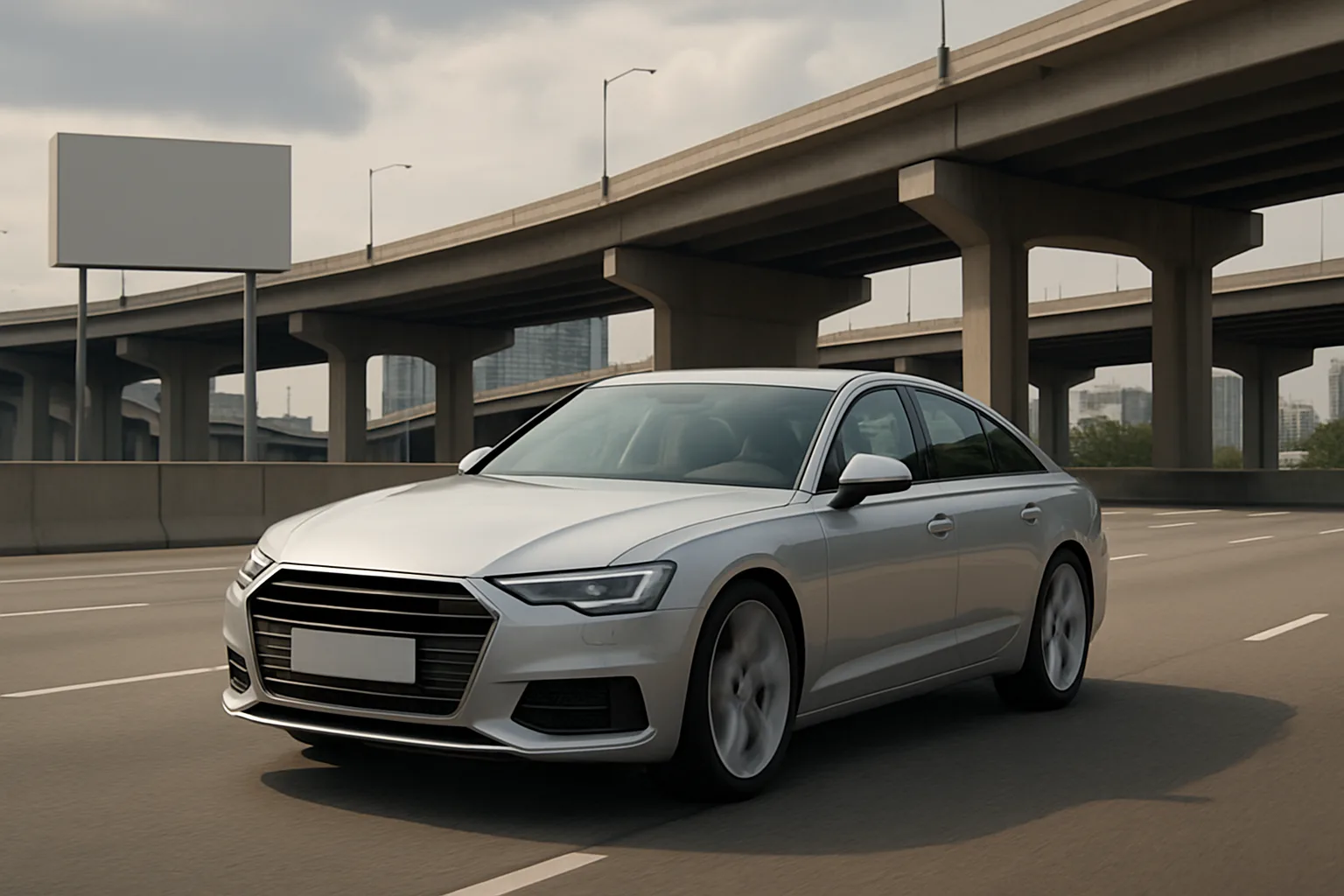
Audi’s push towards fully autonomous driving moved from science fiction to demonstration in 2014 and early 2015, with its piloted driving prototypes completing high-profile journeys on public roads and circuits. The German manufacturer’s autonomous A7 Sportback drove itself 900 kilometres from Palo Alto to Las Vegas, while an RS7 lapped Hockenheim without human intervention at speeds up to 240 km/h. These events showcased Audi’s technical progress, but also highlighted the gap between demonstration and production.
From concept to real-world tests
Audi’s interest in autonomous driving gained public attention with the RSQ concept car in the 2004 film “I, Robot”, but the brand’s actual engineering efforts have focused on adapting conventional models. The A7 piloted driving prototype used a suite of sensors, cameras and high-definition mapping to navigate real traffic across state lines, while the RS7’s circuit run demonstrated the system’s ability to handle high-speed dynamic environments. These projects were not show cars but working vehicles based on production platforms.
The company refers to its technology as “piloted driving”, reflecting an approach where the car handles most driving tasks but still expects the driver to intervene in complex or critical situations. Audi’s technology chief at the time, Ulrich Hackenberg, said the firm aimed to offer advanced self-driving features to customers as early as 2016, with full production-ready autonomous cars not expected before 2025.
Legal and commercial roadblocks
Despite the technical achievements, Audi and other manufacturers face a regulatory environment that lags behind the technology. As of early 2015, no jurisdiction had clear laws permitting fully autonomous vehicles to operate without human oversight. Hackenberg cited legislation as the principal obstacle to commercial deployment, even as Audi’s rivals and technology firms such as Google pushed for regulatory change and began their own public demonstrations.
Audi’s timeline for production autonomy reflected this uncertainty. While features such as traffic jam assist and lane-keeping were expected to reach buyers in the near term, fully driverless systems remained a longer-term goal. The company’s public demonstrations, including the Hockenheim run and the US road trip, were designed to build confidence among regulators and the public, and to position Audi alongside technology leaders in the autonomous driving race.
Piloted driving in context
Audi’s progress must be seen alongside similar efforts from rivals. Google, Mercedes-Benz and other manufacturers were also testing autonomous vehicles on public roads, particularly in California and Nevada where permits had been granted for experimental use. The competition for leadership in self-driving technology was intensifying, with each company seeking to demonstrate both technical capability and readiness for commercialisation.
- Audi A7 Sportback piloted driving prototype (900 km US road trip)
- Audi RS7 piloted driving concept (Hockenheim circuit)
- Google self-driving car (California public road tests)
- Mercedes-Benz autonomous S-Class (urban and highway trials)
Audi’s public demonstrations in 2014 and 2015 marked a shift from concept to credible prototype. The company’s stated aim was to bring advanced self-driving features to market in the second half of the decade, but the pace of legal change would ultimately determine when buyers could experience fully autonomous driving for themselves.