Audi aims to double Russian sales to 30,000 by 2015
Audi targets 30,000 vehicle sales in Russia by 2015, banking on a market rebound despite a sharp downturn and expanding its presence among premium brands.
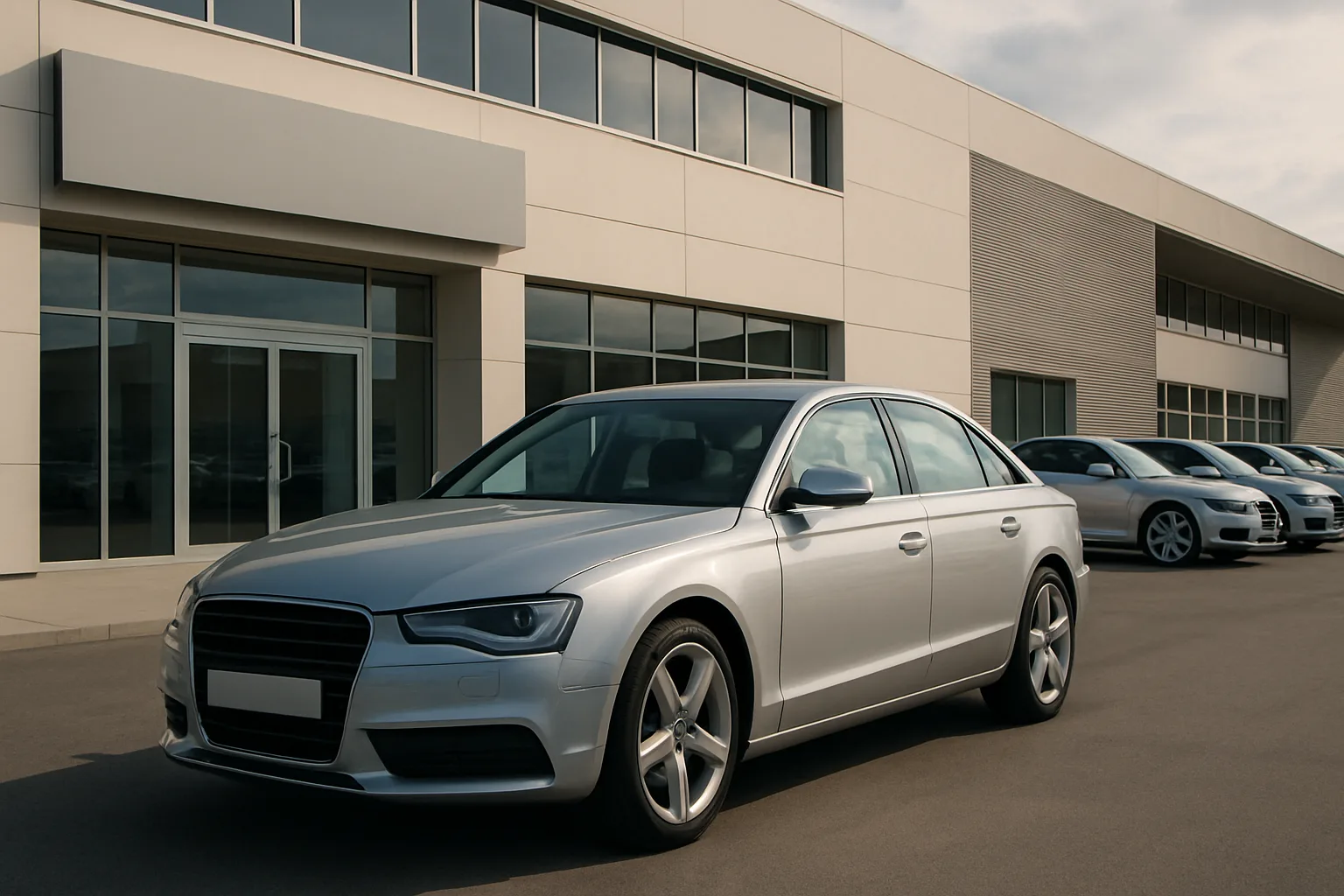
Audi AG has set a target to nearly double its annual sales in Russia by 2015, aiming for 30,000 units despite the sharp contraction in the Russian car market during 2009. The goal, confirmed by Audi board member for sales and marketing Peter Schwarzenbauer, would see the brand expand its Russian volume from around 16,500 units in 2009.
The plan comes as Russia’s car market reels from the global financial crisis. Overall sales of cars and light commercial vehicles in Russia dropped 51 percent year-on-year in the first nine months of 2009, according to the Association of European Businesses. Audi’s own Russian sales fell 13 percent to 11,464 units over the same period, a relatively modest decline compared to the wider market.
Audi’s strategy focuses on emerging markets, with Russia a key part of its international growth ambitions. The company sees potential for strong recovery in Russian demand as economic conditions stabilise. Audi’s Russian volumes in 2009 were well below the highs seen before the crisis, but the brand is positioning itself to capture renewed interest in premium vehicles as credit and consumer confidence return.
Premium brands look to Russia for growth
Audi’s main competitors, BMW and Mercedes-Benz, are also targeting Russian buyers, with all three German luxury brands seeking to build market share in a country that was, until the crisis, on track to surpass Germany as Europe’s largest single car market. For Audi, Russia sits alongside China, Brazil and India as a priority for expansion. The company has already established itself as the Volkswagen Group’s most profitable brand, contributing the largest share of group earnings in the first three quarters of 2009.
The Russian market’s volatility has not deterred Audi from investing in its dealer network and marketing. The brand’s confidence is partly based on the expectation that Russia’s economic recovery, though slower than other BRIC countries, will eventually restore demand for luxury cars. In 2009, Russian buyers remained relatively resilient in the premium segment compared to mass-market brands, which may explain Audi’s optimism.
Wider strategy in emerging markets
Audi’s approach in Russia mirrors its push in other emerging markets. In China, the brand was already the best-selling luxury marque by 2009, and it expected to exceed 130,000 sales there that year. Audi also targeted growth in Brazil and India, although Russia’s recovery was seen as more gradual. The company’s global strategy has been to supplement its established European base with new volume from fast-growing economies, offsetting weaker demand in mature markets like the US and Western Europe.
Audi’s Russian target for 2015 will require both a market rebound and continued investment in local operations. The company’s performance in Russia will be watched closely by rivals and analysts as a test of whether premium brands can accelerate growth in volatile emerging markets.