Audi Q3 S Edition Targets Entry-Level Premium SUV Market
Audi expands its Q3 range with the S Edition, offering a manual gearbox, front-wheel drive and a lower entry price to attract new buyers.
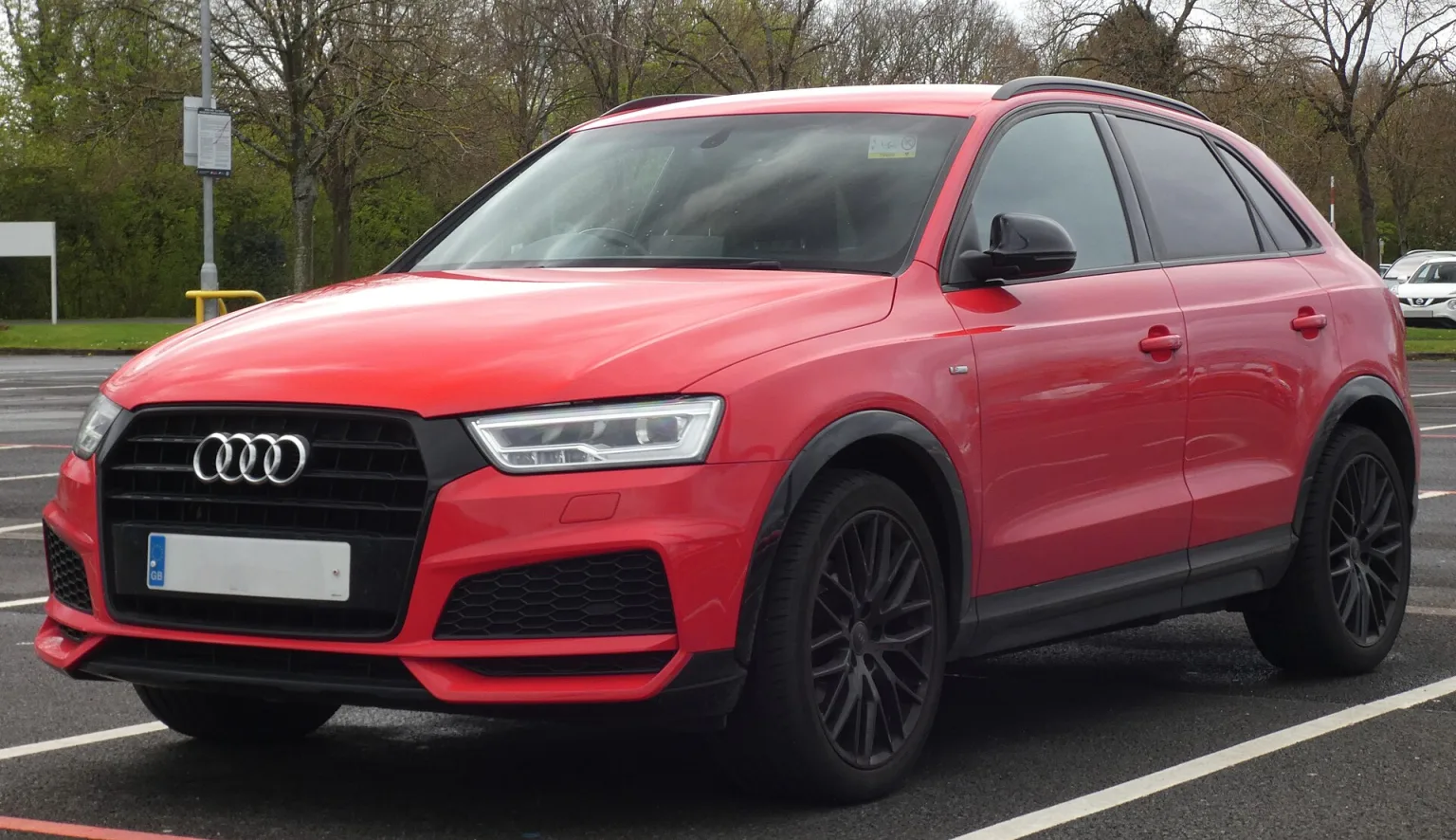
Audi has broadened its Q3 line-up with the introduction of the Q3 S Edition, a variant aimed at buyers looking for a more accessible entry point into the premium compact SUV segment. The Q3 S Edition arrives as part of Audi’s strategy to challenge rivals such as the BMW X1 and Range Rover Evoque, and to capture a share of the fast-growing urban SUV market.
Manual gearbox and front-wheel drive for new buyers
The Q3 S Edition stands apart from the rest of the Q3 range by combining a 2.0-litre four-cylinder TDI diesel engine producing 140hp with a six-speed manual gearbox and front-wheel drive. This configuration not only reduces the entry price but also lowers running costs and weight, making the S Edition the most affordable Audi SUV at launch. Audi quotes a combined fuel consumption figure of 5.2 litres per 100km for the 140hp diesel, appealing to buyers concerned with efficiency as well as brand value.
The Q3 S Edition omits some features found in higher trims, such as climate control, keyless start, and a panoramic sunroof, in order to keep costs down. Safety remains a focus, with six airbags as standard. While equipment is pared back, the S Edition retains the Q3’s core qualities: a well-built cabin, practical boot space and the raised driving position that defines the segment.
Pricing and positioning
At launch in June 2011, the Q3 S Edition was priced from €29,900 in Europe, undercutting the entry point for the quattro-equipped Q3s and positioning Audi to compete directly with the BMW X1. The Q3 range as a whole offered a choice of four engines: two 2.0-litre petrol TFSIs (170hp and 211hp) and two 2.0-litre TDIs (140hp and 177hp), with a mix of manual and S tronic automatic gearboxes, and both front- and all-wheel drive options. The S Edition’s specification was chosen to appeal to buyers prioritising price and efficiency over outright performance or luxury equipment.
| Engine | Power | Gearbox | Drivetrain |
|---|---|---|---|
| 2.0 TDI | 140hp | Manual | FWD |
| 2.0 TDI | 177hp | S tronic | AWD |
| 2.0 TFSI | 170hp | Manual | AWD |
| 2.0 TFSI | 211hp | S tronic | AWD |
Market context and future variants
Audi’s move to introduce the S Edition followed a broader trend among premium manufacturers to lower the entry price of their SUVs and make them more accessible to younger and urban buyers. The Q3 itself was built on the Volkswagen Tiguan platform, but offered a more upmarket interior and sharper styling. Early sales targeted European markets, with production set at 100,000 units a year.
By late 2011, Audi was already preparing further Q3 variants, including a higher-performance model with a five-cylinder turbocharged petrol engine producing around 300hp, intended to broaden the Q3’s appeal to enthusiasts. The standard Q3, however, was clearly positioned as a practical, premium compact SUV for urban and family use.