Audi targets 2017 lunar landing with Lunar Quattro rover
Audi is backing a German engineering team aiming to land the Lunar Quattro, an all-electric rover, near Apollo 17’s site in 2017 as part of the Google Lunar XPRIZE.
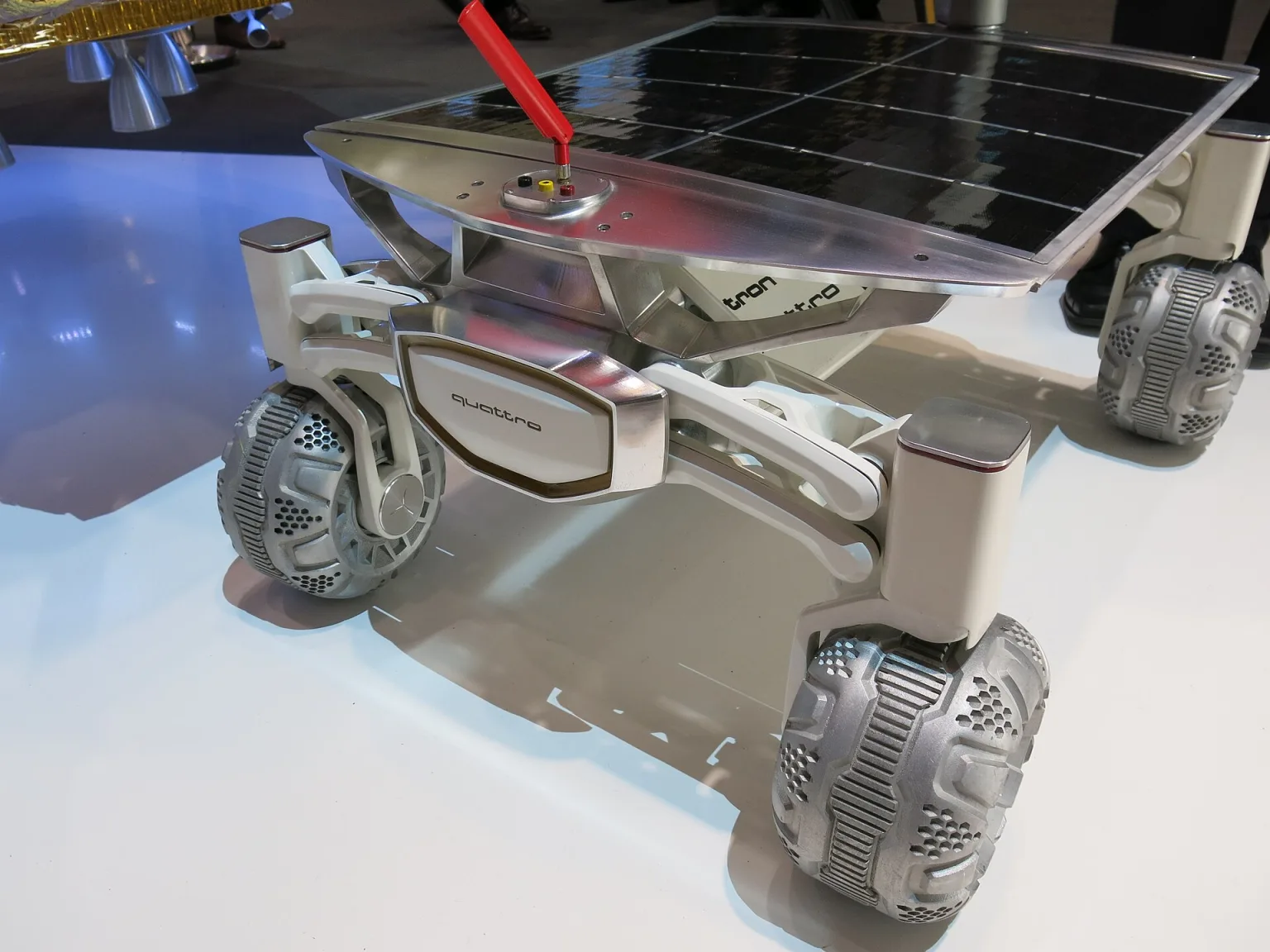
Audi is supporting a German engineering group, Part-Time Scientists, in their bid to land a robotic vehicle on the Moon in 2017. The project, centred on the all-electric Audi Lunar Quattro, is an entry in the Google Lunar XPRIZE, a competition offering a multi-million dollar prize for the first privately funded team to land a rover, drive it 500 metres and transmit high-definition images back to Earth.
The Lunar Quattro is designed to land near the Apollo 17 site, last visited by astronauts in 1972. Audi’s contribution includes expertise in lightweight construction, electric mobility, and quattro all-wheel drive technology, adapted for the unique challenges of lunar exploration. The rover is built primarily from aluminium, with an adjustable solar panel and a lithium-ion battery powering four electric motors, one for each wheel. Its top speed is a modest 3.6 km/h, reflecting the Moon’s rugged terrain and the need for precision over pace.
Technical approach and mission goals
The rover’s chassis uses lightweight aluminium to minimise mass for the 380,000 km journey. Its solar panel is adjustable to maximise energy capture, while the lithium-ion battery stores power for the four electric motors. Two stereoscopic cameras and a scientific camera are mounted for navigation and data collection. Audi’s quattro branding is reflected in the all-wheel-drive setup, though the lunar application is a world away from road-going models.
To win the Google Lunar XPRIZE, the team must land the Lunar Quattro, drive it at least 500 metres on the Moon’s surface, and transmit high-resolution video and images to Earth. The mission’s planned landing site, close to the Apollo 17 module, offers both scientific interest and historical resonance.
Audi’s wider technology ambitions
Audi’s involvement in the lunar project is part of a broader push to demonstrate its engineering capabilities beyond the automotive sector. The company has previously leveraged its quattro and e-tron technologies in motorsport and road cars. This lunar collaboration is intended to showcase the adaptability of Audi’s technology and to encourage further partnerships in advanced engineering fields.