Farewell to Familiar Faces: Models Discontinued for 2016
Manufacturers retire several well-known cars for 2016, from the Land Rover Defender to the Honda Accord Crosstour, as line-ups shift towards new models and market demands.
A wave of model discontinuations marks the start of 2016, as manufacturers retire a set of familiar names to clear space for new products and respond to shifting market demands. From luxury saloons to rugged off-roaders, these departures reflect changing priorities for brands and buyers alike.
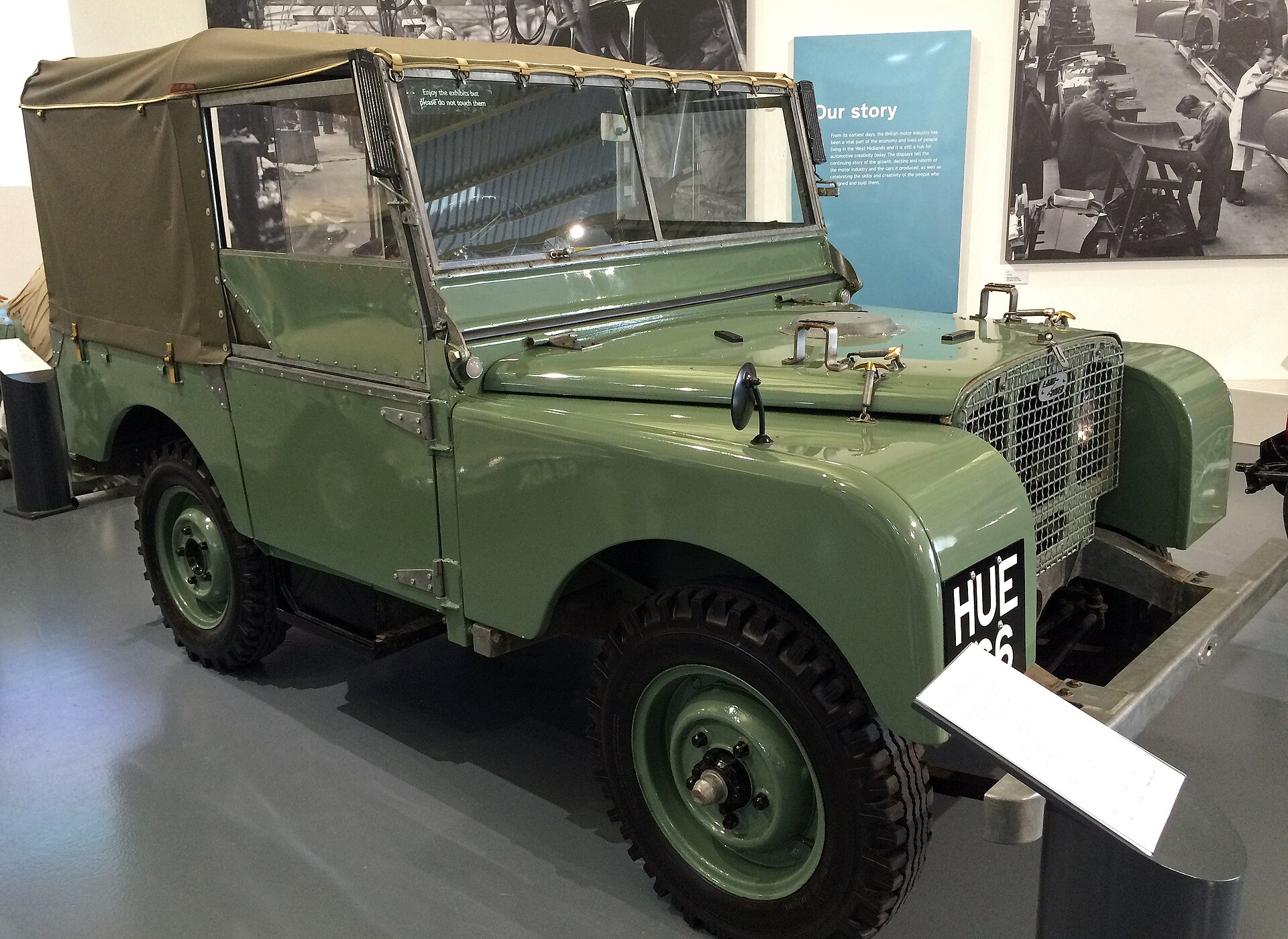
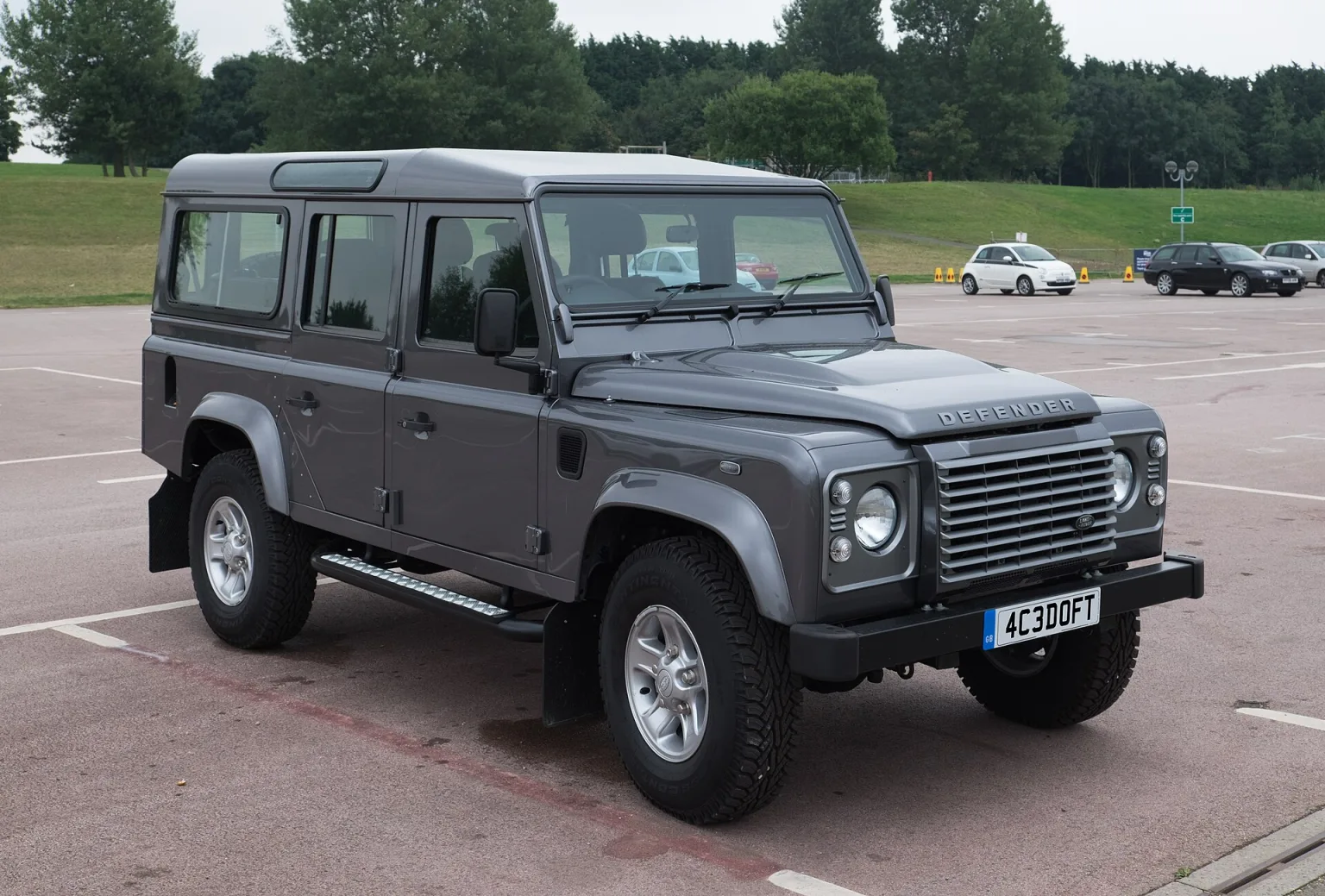
Land Rover Defender: End of an Era
Land Rover’s Defender reaches the end of its production run in early 2016, drawing a close to nearly seven decades of continuous manufacture. The Defender, with roots stretching back to 1948, became a British motoring icon, but tightening safety and emissions rules made its continuation unviable. Land Rover has signalled a successor is in development, but for now, the familiar shape leaves showrooms. The LR2 (sold as Freelander 2 in some markets) also disappears, already replaced by the Discovery Sport, which offers more modern features and family appeal.
Luxury Saloons and Coupes: New Names, New Directions
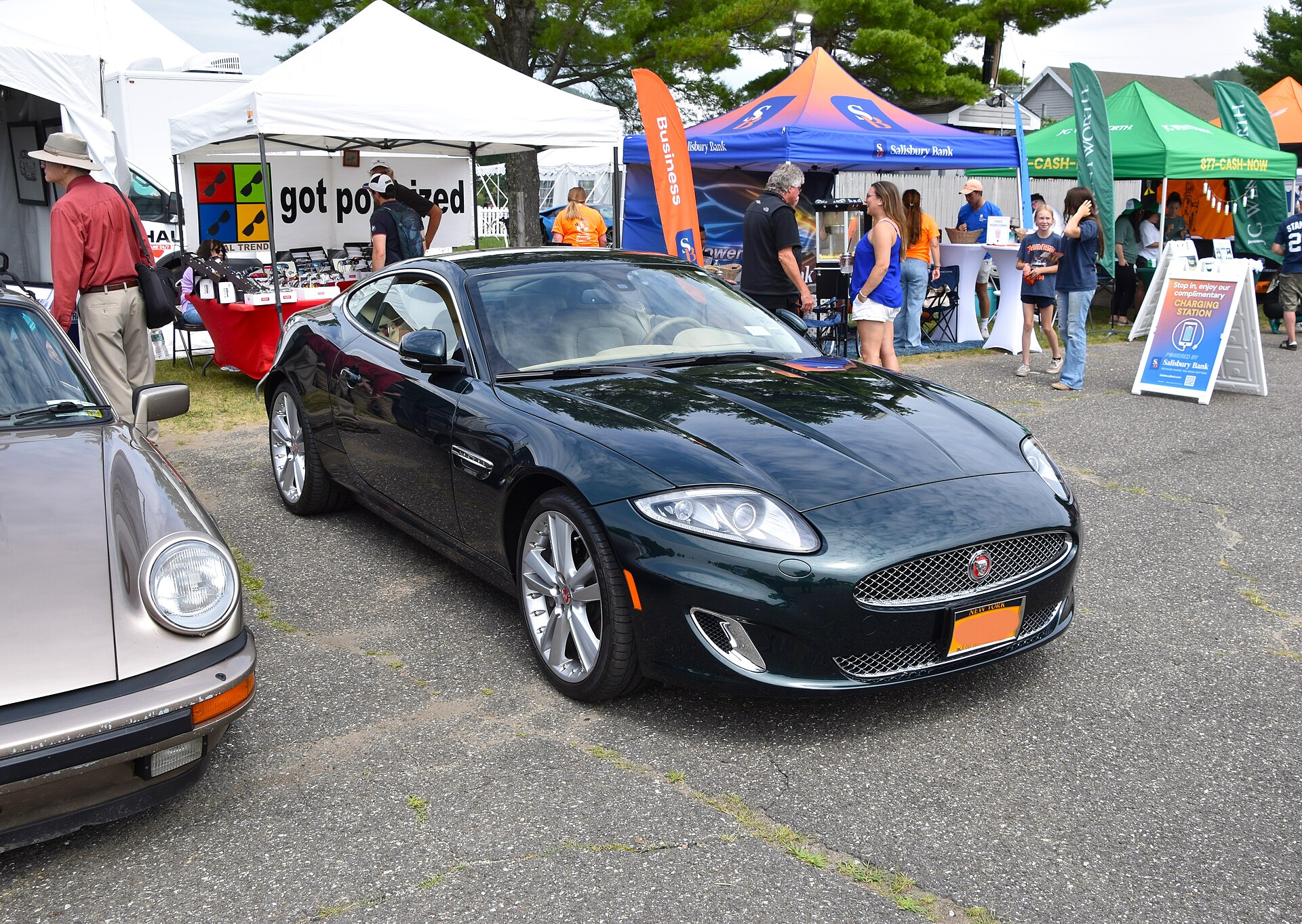
Acura has retired the TL, following the launch of the TLX. The new car brings more advanced technology and a repositioning to better compete with German rivals. Similarly, Hyundai ends production of the Equus, handing flagship duties to the Genesis G90 as part of the company’s push to establish its Genesis luxury brand. Lincoln’s MKS also bows out, making way for the revived Continental nameplate. In the sports coupe segment, the Jaguar XK is dropped, with the F-Type now serving as Jaguar’s main two-door offering.
- Acura TL replaced by TLX
- Hyundai Equus replaced by Genesis G90
- Lincoln MKS replaced by Continental
- Jaguar XK replaced by F-Type
Crossovers and SUVs: Shifts in Line-ups
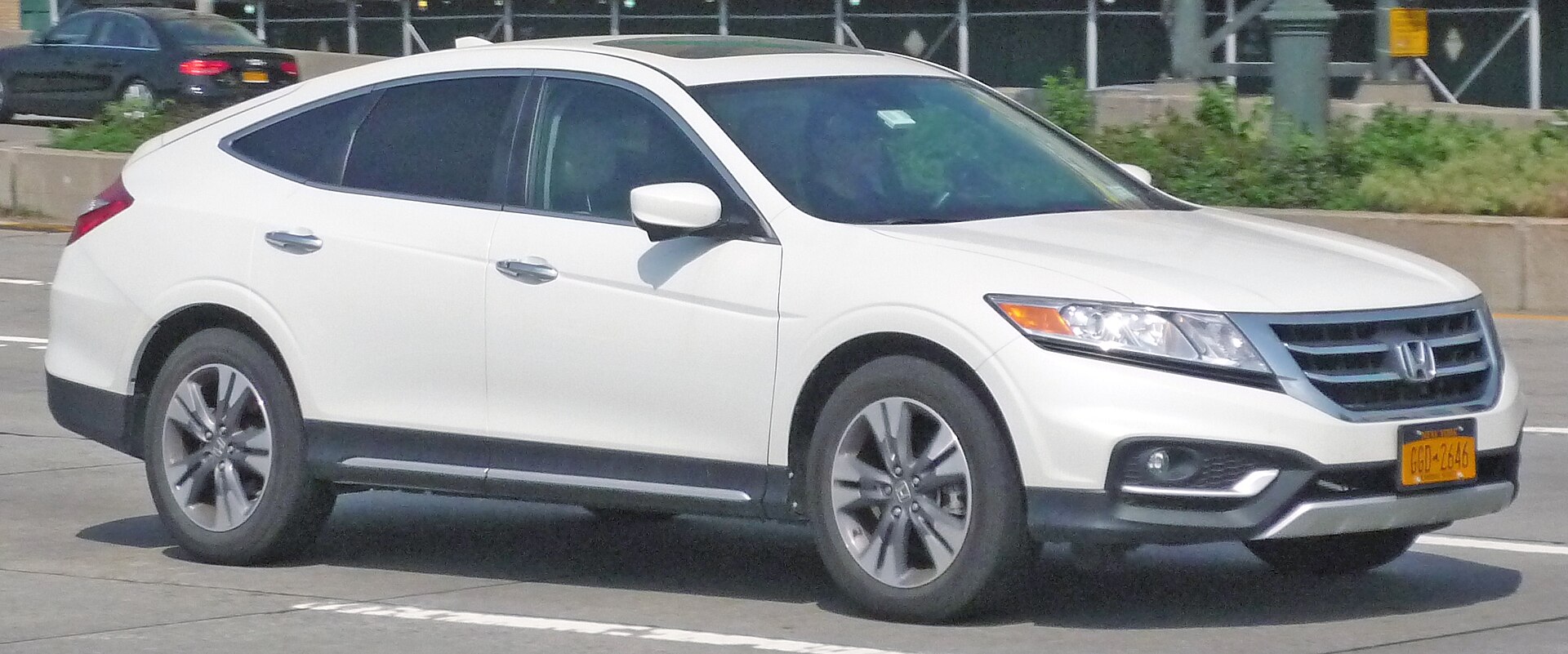
The Cadillac SRX, a mainstay in the brand’s crossover range, ends production to be succeeded by the XT5. This transition reflects Cadillac’s move to a new naming convention and updated platform. Dodge’s Durango faces uncertainty, with speculation about a shift to the Jeep brand, but no official replacement has been confirmed. Mazda axes the Mazda 5, a compact MPV, as its focus turns to more profitable SUVs like the CX-3 and CX-9. The Honda Accord Crosstour, a hatchback variant with limited market appeal, is also discontinued after underwhelming sales.
Low-Volume and Niche Models Leave Quietly
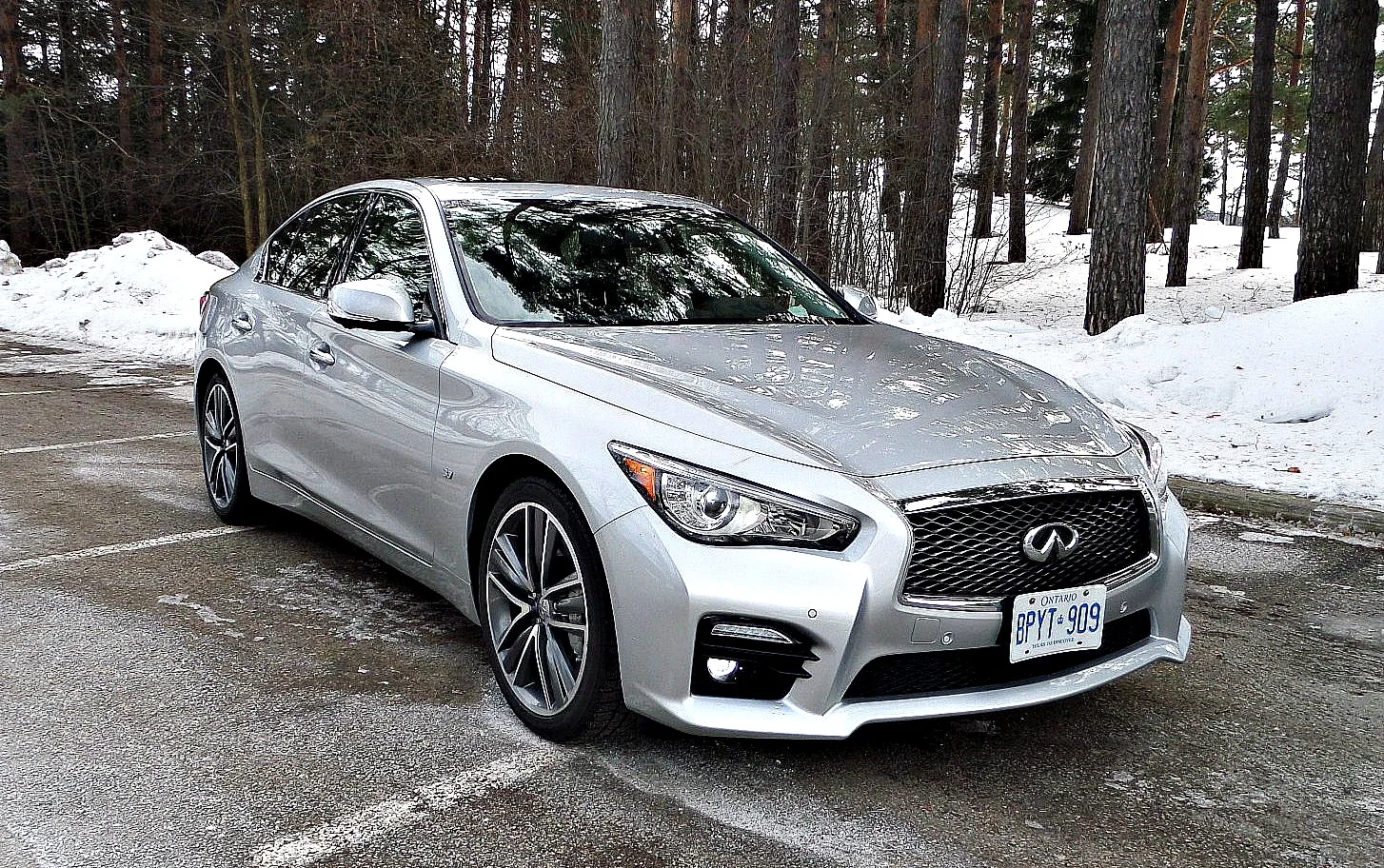
Several low-volume or niche models also exit the market. Infiniti drops the Q40, the last iteration of the G37 sedan, as the newer Q50 takes over. Nissan ends the Murano CrossCabriolet, a convertible SUV that never found a strong following. These moves allow brands to concentrate on higher-volume, more competitive models.
What It Means for Buyers and Dealers
For buyers, discontinued models can mean discounts on remaining stock, but also reduced support and potentially lower resale values. Dealers may shift incentives to clear outgoing vehicles, while manufacturers reallocate resources to models with stronger demand or strategic importance. For some, such as Defender enthusiasts, the end of production marks the last chance to buy a classic new. For others, the transition to new platforms promises improved technology and refinement.
The reshuffling of line-ups in 2016 reflects manufacturers’ efforts to adapt to changing regulations, evolving consumer tastes and the competitive pressures of the global market. As some familiar names disappear, new models and brands step in to shape the next chapter.