Car tech shifts focus to cyclist and pedestrian safety
Automotive suppliers are rolling out new sensor and braking systems designed to detect and protect vulnerable road users, with European projects influencing future regulations.
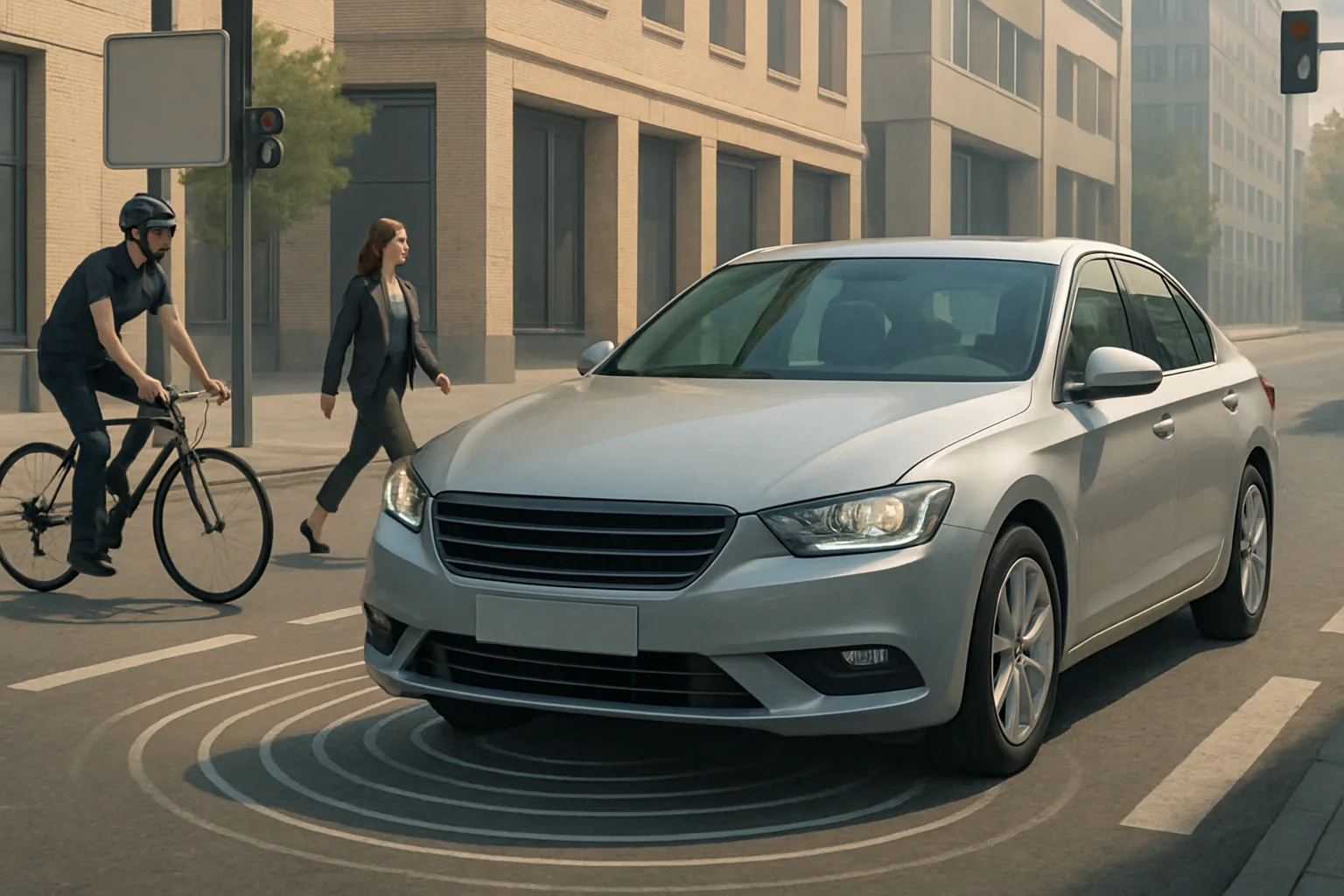
Automotive suppliers are accelerating the rollout of new safety technologies aimed at protecting cyclists and pedestrians, as carmakers and regulators shift their attention from occupant protection to the wider risks on urban roads.
Systems such as Continental’s Cross-Traffic Braking use radar and camera sensors to monitor a vehicle’s surroundings, automatically applying the brakes if a pedestrian or cyclist is detected in the path of a reversing or manoeuvring car. These technologies build on the collision avoidance systems already common for car-to-car incidents, but with algorithms and hardware specifically tuned to the unpredictable movements of more vulnerable road users.
How new systems work in practice
The latest generation of safety devices combines multiple sensors to cover blind spots and junctions, areas where cyclists and pedestrians are most at risk. Probabilistic modelling, a technique that predicts the likely path of moving objects, is increasingly used to anticipate when a person might cross into a vehicle’s trajectory. This allows the car to intervene earlier, reducing the chance of a collision even in complex urban environments.
Regulatory influence and industry collaboration
In Europe, a consortium of carmakers and suppliers is already working on a project to assess the effectiveness of cyclist-detection and collision prevention systems. The group’s findings, due to be published in 2016, are expected to shape the next wave of EU safety regulations, likely to come into effect from 2018. This regulatory push is prompting manufacturers to prioritise vulnerable road user protection in their technology roadmaps.
- Sensor-based pedestrian and cyclist detection systems
- Automated emergency braking tuned for urban scenarios
- Industry and regulatory collaboration on safety standards
Implications for manufacturers and suppliers
For suppliers, the trend means increased demand for advanced sensors, improved data processing and integration with vehicle control systems. Carmakers must adapt their platforms to accommodate new hardware and software, while also preparing for stricter regulatory requirements. As the focus widens from crashworthiness to crash avoidance, competitive advantage is shifting towards those who can deliver effective, real-world protection for all road users.