Carmakers Push to Delay Stricter EU Emission Testing Until 2021
European manufacturers, led by ACEA, are urging Brussels to postpone the introduction of tougher real-world emissions tests from 2017 to at least 2021, citing technical and logistical challenges.
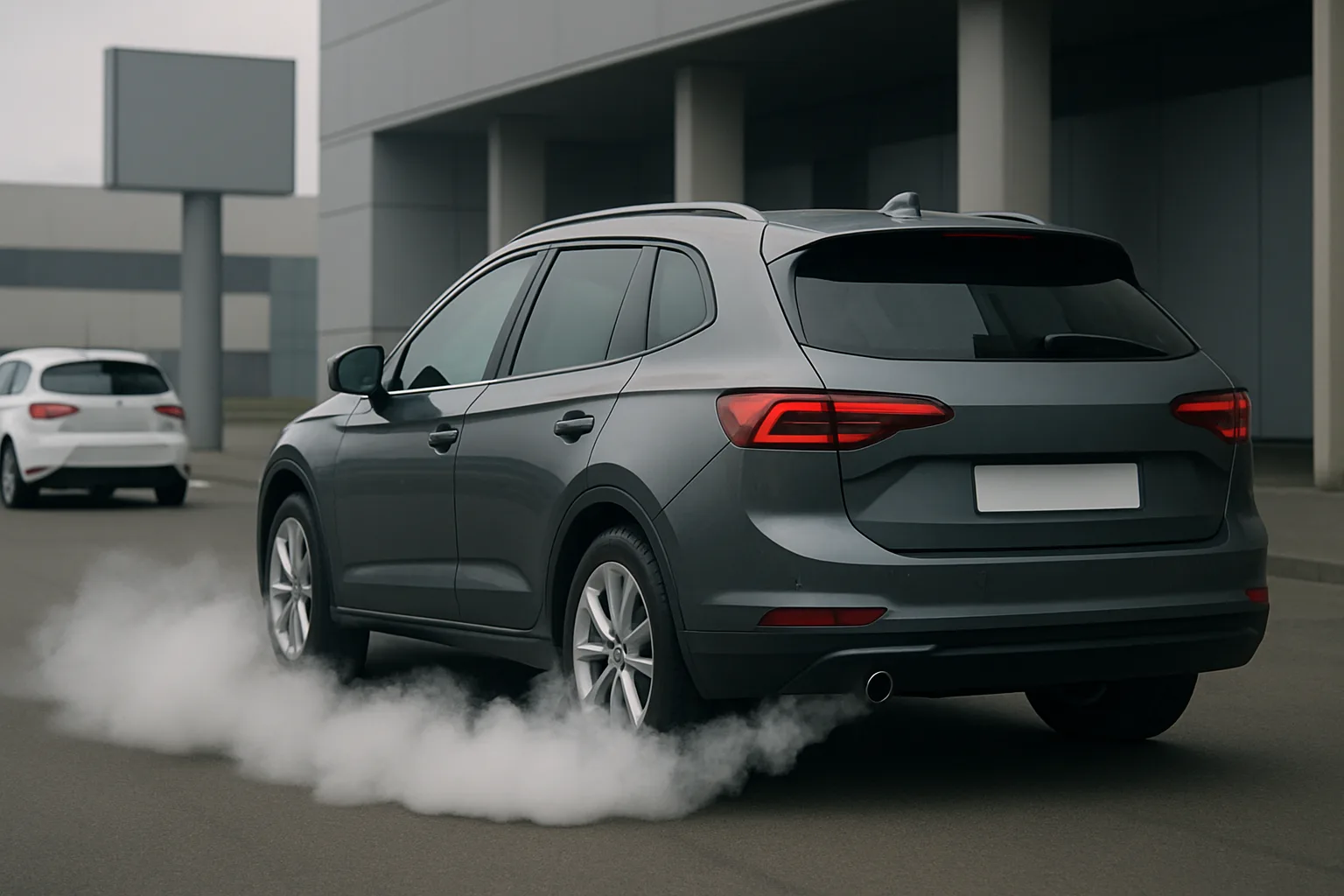
European car manufacturers are lobbying the European Union to postpone the introduction of a new, more demanding emissions testing regime, which Brussels had planned to enforce from 2017. The European Automobile Manufacturers’ Association (ACEA) is leading calls to delay implementation until at least 2021, arguing that the scale of the required changes makes the original timetable unrealistic.
The new test procedure is designed to address longstanding criticism of the existing system, which dates back to the 1970s. Research presented to the European Parliament has shown that official fuel consumption and emissions figures often differ sharply from what drivers experience on the road. Investigations found that manufacturers exploited weaknesses in the laboratory-based testing, resulting in lower official emissions than those achieved in real-world conditions.
Industry response to proposed changes
According to documents seen by the Financial Times, ACEA argues that the 2017 start date is “incredibly ambitious” given the engineering and certification work required. The group claims that more time is needed for manufacturers to adapt their vehicles and production processes to the new regime, which would involve on-road testing and stricter oversight to prevent manipulation.
ACEA maintains that the industry is participating constructively in the development and implementation of the new test, but warns that rushing the process could disrupt production and increase costs. The association’s secretary-general, Erik Jonnaert, has stated that the industry supports efforts to improve testing credibility but needs a practical timeline to achieve compliance across a wide range of models.
EU aims to close testing loopholes
The European Commission’s proposed reforms follow mounting evidence that official emissions data fail to match actual performance. The new rules would require real driving emissions (RDE) testing, using portable measurement equipment on public roads. This approach is intended to prevent the kind of manipulation that has led to discrepancies between lab and real-world results, as highlighted in recent studies and high-profile investigations.
For car buyers, the change would make published fuel consumption and CO2 figures more representative of everyday use. For manufacturers, it means a major overhaul of development and certification processes, with implications for costs and product planning. Industry sources say the technical and administrative complexity of RDE testing is far greater than the outgoing laboratory tests, which is central to the push for a longer lead-in period.
What happens next?
EU officials have not confirmed whether they will accept the industry’s request for a delay. The debate comes as scrutiny of emissions testing intensifies across Europe, with national governments and regulators under pressure to restore public trust after repeated revelations of test manipulation. The outcome will determine not just compliance costs for manufacturers, but also the credibility of future emissions targets.