BMW marks 25 years of V12 engines with a look back at the 7 Series
BMW’s V12 story began in 1987 with the 750i, and by 2012 the marque had produced four generations of twelve-cylinder engines for its flagship saloons.
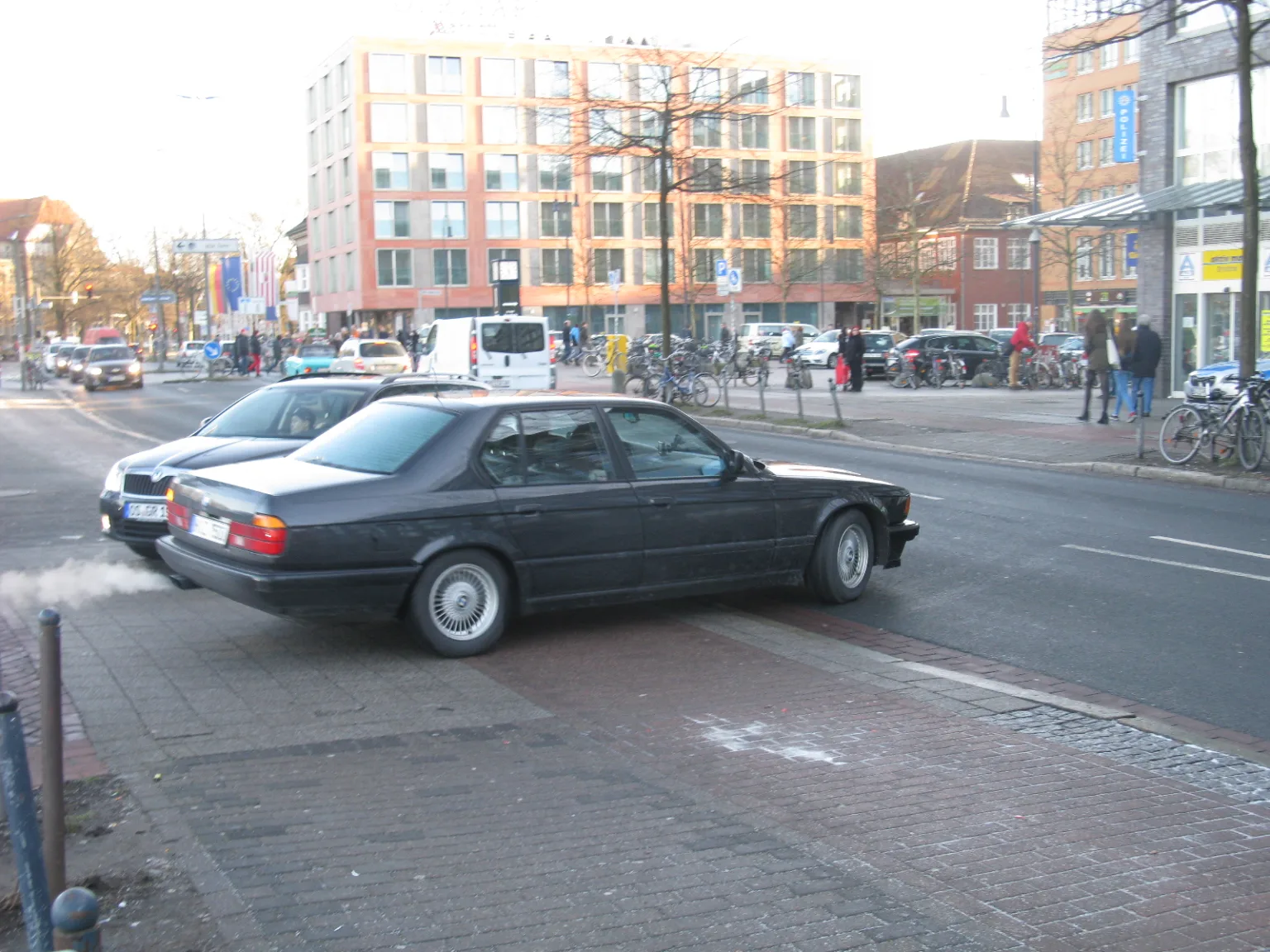
In 2012, BMW celebrated 25 years since the debut of its first twelve-cylinder engine, tracing a line from the 750i’s launch at the 1987 Geneva motor show through to the turbocharged V12s powering the brand’s flagship saloons a quarter-century later. The introduction of the V12 was a significant milestone for BMW, signalling the brand’s commitment to luxury and engineering excellence. This legacy is reflected in the continued evolution of BMW’s V12 engines, which have powered four generations of the 7 Series and set benchmarks for refinement, performance, and innovation.
BMW’s V12 Legacy: 25 Years of Twelve-Cylinder Power
The M70: BMW’s Return to the V12
The 1987 BMW 750i was the first German twelve-cylinder saloon since the 1930s. Its M70 engine, developed from scratch, offered 300hp at 5,200rpm and 450Nm at 4,100rpm from a 5.0-litre displacement. The all-alloy unit weighed 240kg and set new standards for refinement, smoothness and quietness in a segment then dominated by V8s. BMW claimed a specific output of 60hp per litre, with fuel consumption and emissions that compared favourably against rivals of the era. The 750i was joined by a long-wheelbase 750iL, and BMW’s sales office reported more than 3,000 pre-orders before the car’s official unveiling.
The M70 V12’s debut represented not only a technical achievement but also a statement of intent from BMW, re-establishing a tradition of German twelve-cylinder engineering that had lain dormant for decades. The M70 engine was the first twelve-cylinder engine in a German production car since the Second World War, marking a significant comeback for this engine configuration in the country’s automotive industry.
Evolution: M73 and Beyond
In 1994, BMW introduced the M73 engine for the new 750i. Displacement rose to 5.4 litres, with output increasing to 326hp. Despite the power gain, the M73 was about 13 percent more efficient than its predecessor, reflecting advances in engine management and emissions control. Refinement also improved, consolidating the V12’s role at the top of BMW’s range. The M73 engine maintained the luxury saloon’s smoothness and quiet operation, further distinguishing the 7 Series from its competitors. The increased efficiency and reduced emissions addressed growing environmental concerns while ensuring that performance remained a key focus for BMW.
The next major step came in 2002 with the 760i. The new 6.0-litre V12 produced 445hp and was the first BMW twelve-cylinder to feature direct fuel injection. This innovation allowed for more precise fuel delivery, improving both power output and emissions compared to earlier models. The 760i’s engine was a response to the demands of the luxury market, which increasingly valued not just performance but also environmental responsibility. The adoption of direct injection technology placed BMW among the leaders in engine development for luxury vehicles.
Turbocharging and the N74
By 2009, BMW had completely redeveloped its V12 for the F01-generation 760i and 760Li. The N74 engine adopted twin turbochargers, lifting output to 544hp and torque to 750Nm. The move to turbocharging reflected the broader industry shift towards higher efficiency and lower emissions, even in luxury flagships. Turbocharging allowed the N74 to deliver greater performance while meeting stricter environmental regulations. The N74 continued in the 2012 7 Series, maintaining the V12’s place at the top of BMW’s saloon range. This engine demonstrated BMW’s ability to blend tradition with innovation, keeping the twelve-cylinder relevant as the industry evolved.
BMW’s V12 engines have never been high-volume products, but they have served as technological showcases for the brand. Over 25 years, the twelve-cylinder has provided the 7 Series with a distinct identity among luxury saloons, even as rivals and regulations drove a shift towards smaller, turbocharged engines across the industry. The V12’s combination of power, refinement, and exclusivity has helped define BMW’s flagship models and continues to influence the brand’s approach to performance and luxury engineering.
The V12’s Place in BMW’s History
The introduction and ongoing development of the V12 engine have had a lasting impact on BMW’s reputation. The twelve-cylinder models have attracted customers seeking the ultimate in comfort and performance, and have often served as a symbol of the brand’s engineering capabilities. While changes in emissions standards and market preferences have led many manufacturers to move away from large-capacity engines, BMW’s V12 remains an important part of its heritage.
The continued presence of the V12 in the 7 Series shows BMW’s commitment to offering a unique blend of innovation and tradition. As the automotive world evolves, the legacy of BMW’s twelve-cylinder engines stands as a reminder of the brand’s pursuit of excellence. From the groundbreaking M70 to the technologically advanced N74, each generation has contributed to BMW’s status in the luxury segment and continues to inspire future developments in engine technology.