BMW identifies Vietnam as fastest-growing market in Southeast Asia
BMW Group Asia expects its Vietnam sales to increase 30 to 40 percent by 2017, citing rapid economic growth and rising demand for premium cars.
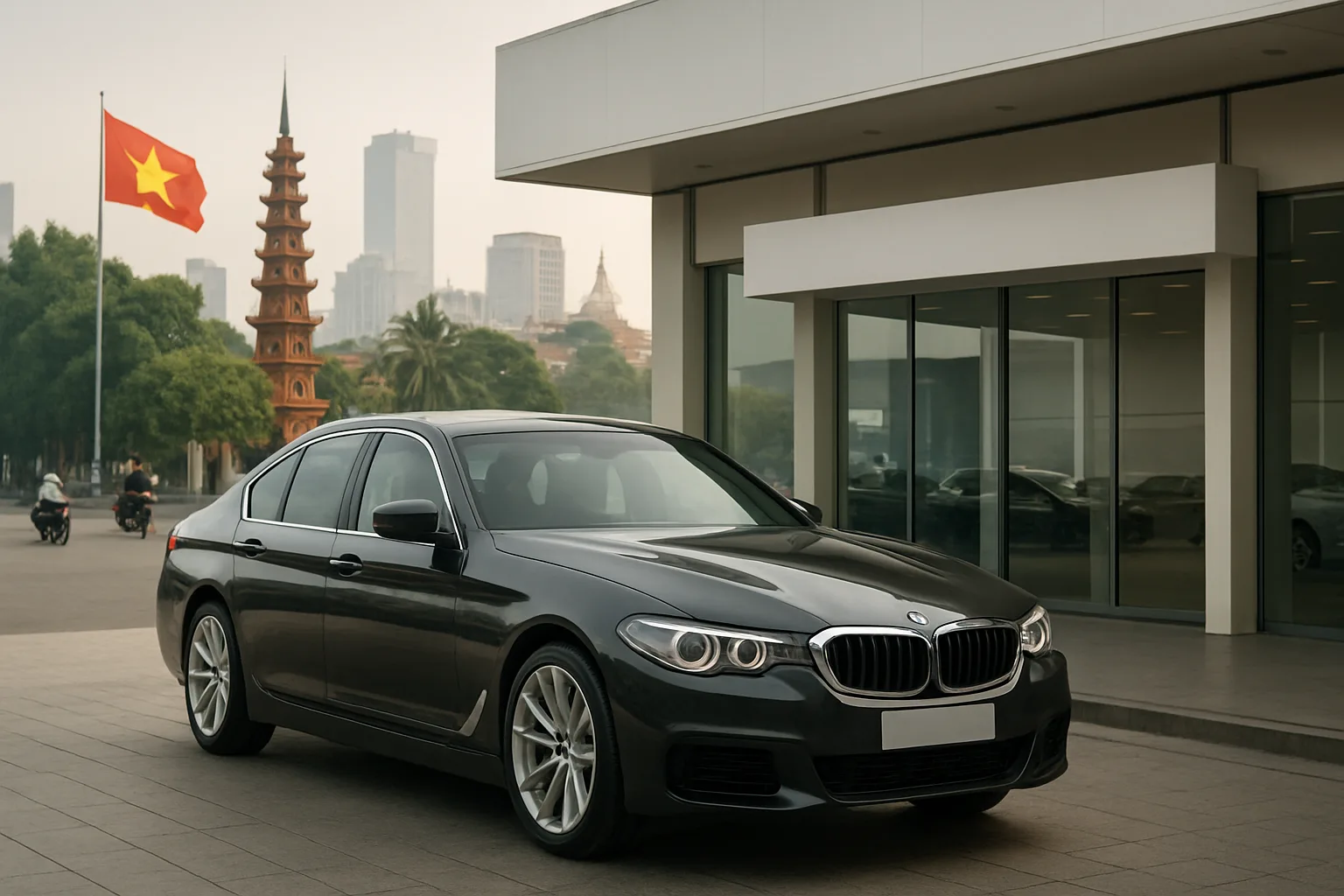
BMW Group Asia has identified Vietnam as its top growth market in Southeast Asia, forecasting a significant increase in unit sales, between 30 and 40 percent, by 2017. This projection is supported by the country’s rapidly expanding economy and a growing demand for premium vehicles among Vietnamese consumers.
BMW Identifies Vietnam as Top Growth Market in Southeast Asia
Sales Performance and Economic Context
Axel Pannes, managing director of BMW Group Asia, oversees 13 developing Asian markets, including Singapore, Indonesia, Vietnam, the Philippines, Sri Lanka, and Myanmar. He highlighted Vietnam as the standout performer for sales growth in the region. In the previous year, BMW sold 1,500 vehicles in Vietnam, a figure that outpaces other Southeast Asian markets under the group’s remit. This strong performance is attributed to Vietnam’s economic momentum and favourable market conditions.
The Vietnamese government’s target of 6.7 percent GDP growth in 2016, combined with the recent implementation of free-trade agreements, is expected to further stimulate demand for new cars. These economic policies are seen as key drivers behind BMW’s optimistic outlook for the market.
BMW’s Broader Regional Strategy
BMW Group Asia’s strategy in Vietnam is part of a wider effort to expand across developing Asian markets. While Vietnam currently leads in sales momentum, the company is also exploring opportunities in other countries. In Myanmar, for example, BMW sold 100 vehicles last year, only two years after entering the market. This demonstrates the company’s commitment to establishing a presence in emerging economies with growth potential.
The company is considering expansion into Nepal, but this is contingent on the country’s recovery from the 2015 earthquakes and improved political stability. Axel Pannes indicated that entry into the Nepalese market could occur within two to three years if conditions become favourable. In Sri Lanka, BMW is focusing on electric and hybrid vehicles, aligning with government policies that support alternative powertrains. This approach reflects BMW’s adaptability to local market trends and regulatory environments.
Market Comparison: BMW Sales in Key Developing Asian Markets
| Market | Vehicles Sold | Years Since Entry |
|---|---|---|
| Vietnam | 1,500 | N/A |
| Myanmar | 100 | 2 |
| Nepal | N/A (Expansion planned) | N/A |
Factors Driving Growth in Vietnam
- Strong economic growth targets set by the Vietnamese government
- Implementation of free-trade agreements reducing barriers to car imports
- Rising middle class and increased demand for premium vehicles
- Stable political environment compared to some neighbouring markets
BMW’s positive outlook for Vietnam is shaped by these factors, which have created an environment conducive to rapid growth in the automotive sector. The company’s success in Vietnam is seen as a benchmark for its broader ambitions in the region.
Outlook for BMW in Southeast Asia
BMW expects Vietnam to deliver the highest growth rate among its developing Asian markets through 2017. The company continues to monitor opportunities in other emerging markets, but Vietnam’s trajectory is regarded as the most promising in the short term. BMW’s ongoing investment in the country reflects confidence in both the local economy and the potential for further expansion as market conditions evolve.