BMW X5 xDrive40e plug-in hybrid set for Shanghai debut
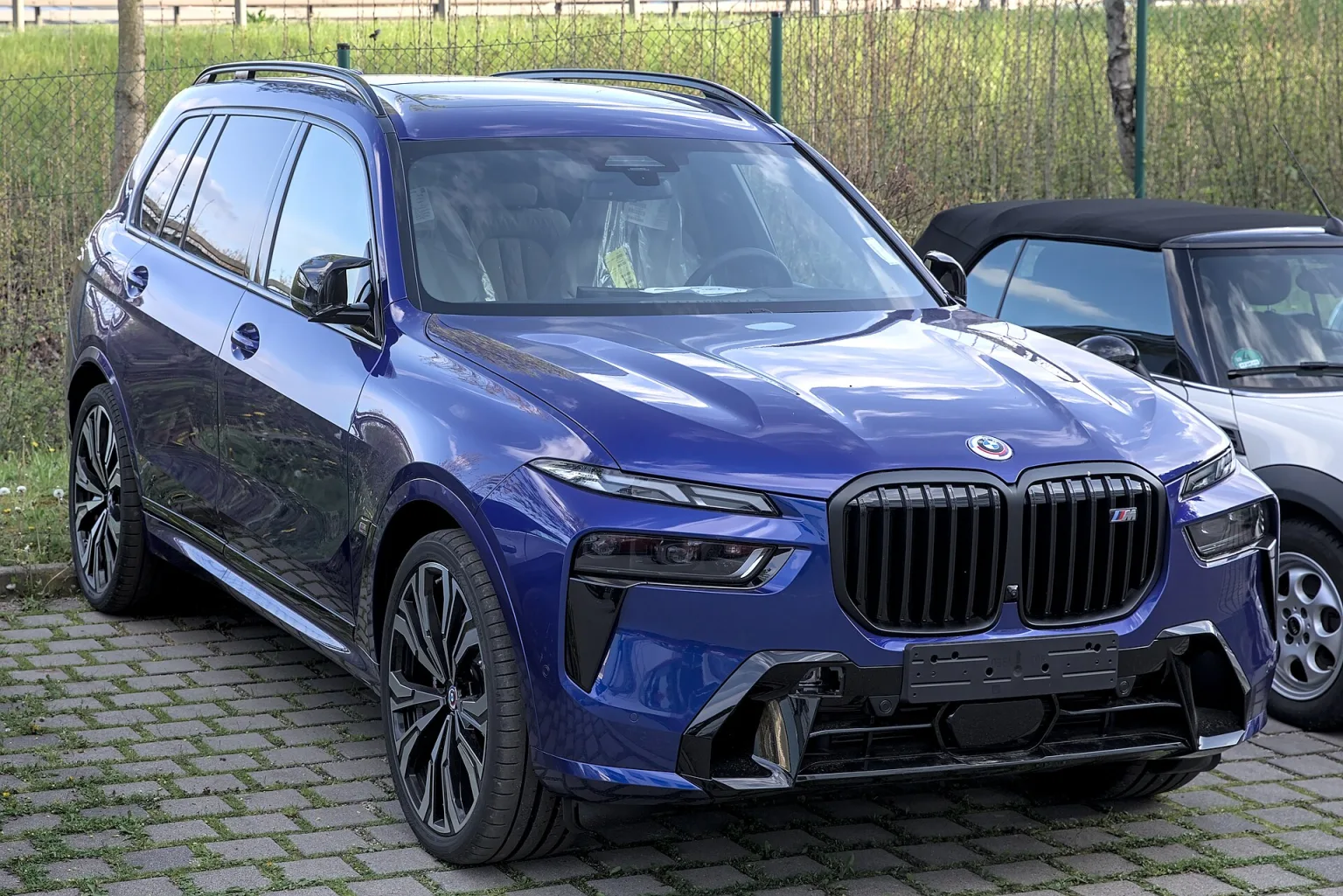
BMW will unveil the X5 xDrive40e, its first plug-in hybrid SUV, at the 2015 Shanghai Motor Show, pairing a turbocharged petrol engine with electric drive for 313hp combined.
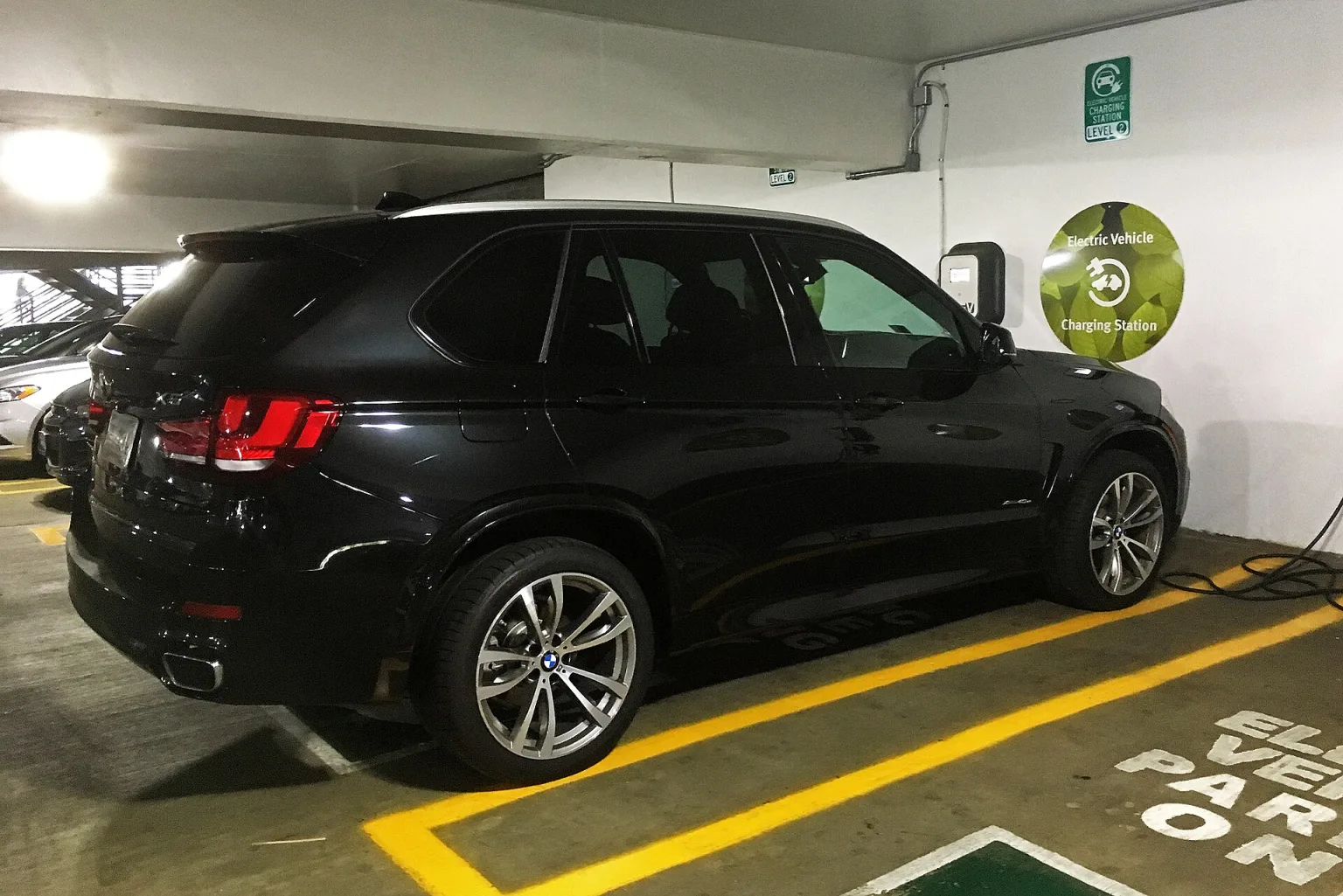
BMW will introduce the X5 xDrive40e, its first plug-in hybrid SUV, at the 2015 Shanghai Motor Show. The new model combines a 2.0-litre turbocharged petrol engine with an electric motor, producing a total of 313hp and 450Nm of torque.
The X5 xDrive40e uses a 9kWh lithium-ion battery, which BMW says can be recharged in under four hours from a standard socket or in 2 hours 45 minutes using the optional BMW i Wallbox. In pure electric mode, the X5 can travel up to 31km and reach speeds of up to 120km/h before the petrol engine is required.
BMW claims a 0–100km/h time of 6.8 seconds and an electronically limited top speed of 210km/h. The official combined fuel consumption figure is 3.3–3.4L/100km, with CO2 emissions rated at 78g/km under the NEDC cycle. These figures place the X5 xDrive40e among the most efficient vehicles in its segment at the time of launch.
Powertrain and charging details
The plug-in hybrid system pairs BMW’s 2.0-litre four-cylinder turbocharged petrol engine (245hp, 350Nm) with a synchronous electric motor (113hp, 250Nm). The combined system output is managed through an eight-speed automatic transmission and BMW’s xDrive all-wheel-drive system. The battery is installed beneath the luggage compartment, preserving most of the X5’s interior space.
Charging flexibility is a key feature. Owners can use a standard household socket or opt for the BMW i Wallbox for faster charging at home. The car can also be charged at public stations where available.
Production and market context
Production of the X5 xDrive40e will take place at BMW’s Spartanburg plant in South Carolina, alongside the X3, X4, X5 and X6. The model is part of BMW’s wider strategy to expand its plug-in hybrid and electric offerings, following the launch of the i3 and i8.
Performance and efficiency summary
| Specification | Value |
|---|---|
| Engine | 2.0-litre turbo petrol + electric motor |
| Combined power | 313hp |
| Combined torque | 450Nm |
| Battery capacity | 9kWh |
| Electric range (NEDC) | up to 31km |
| 0–100km/h | 6.8 seconds |
| Top speed (limited) | 210km/h |
| Top speed (electric) | 120km/h |
| Fuel consumption (combined) | 3.3–3.4L/100km |
| CO2 emissions | 78g/km |