BMW finance chief warns Crimean crisis threatens Russian sales
BMW’s finance boss Friedrich Eichiner has warned that escalating tensions in Crimea could jeopardise the company’s Russian business, which saw record growth in 2013.
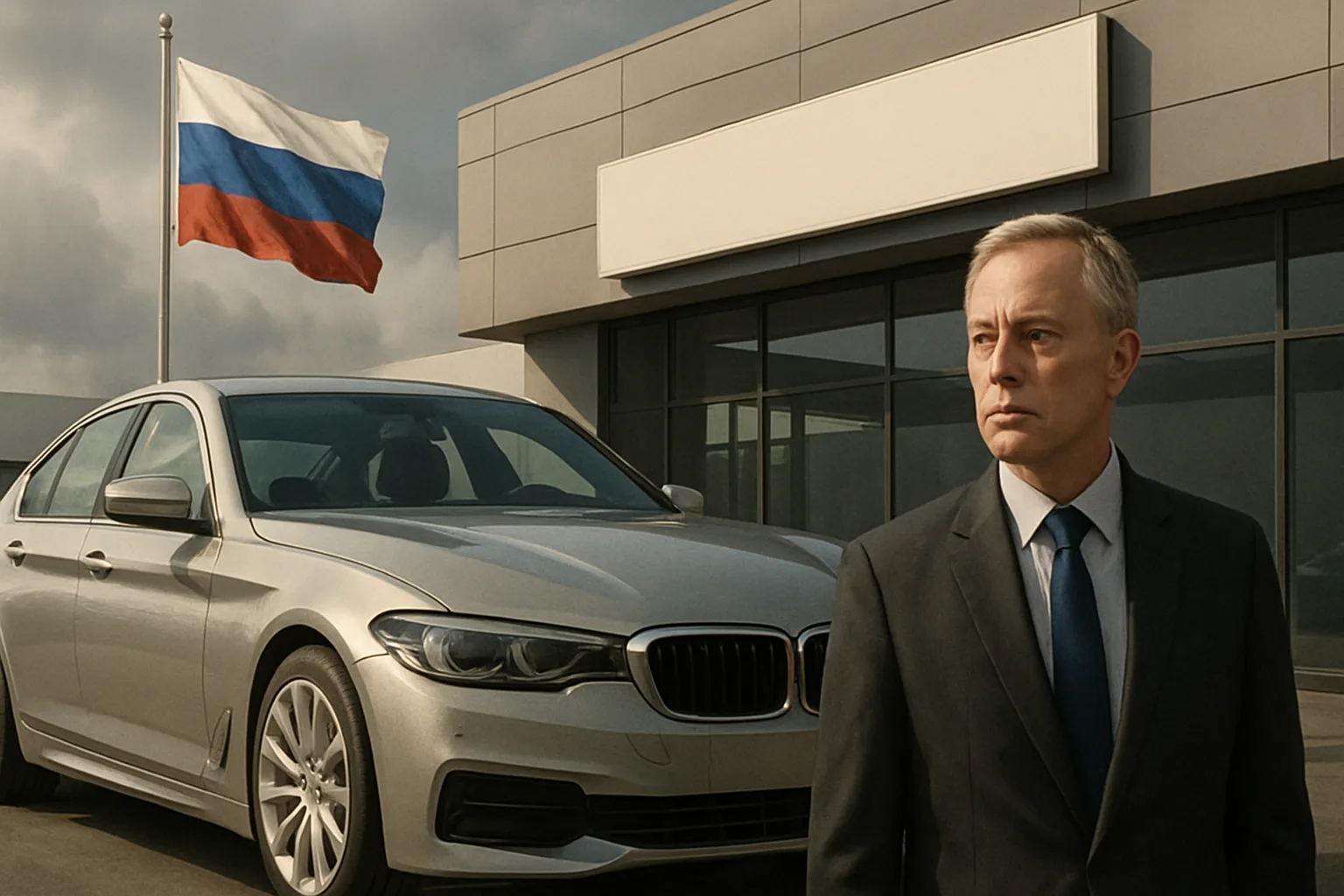
BMW’s chief financial officer Friedrich Eichiner has said that the worsening crisis in Crimea presents real risks to the company’s Russian operations, raising the possibility that BMW’s sales outlook for the market may need to be revised if the conflict escalates.
Speaking as tensions between Russia and Ukraine intensified in March 2014, Eichiner pointed to both currency volatility and the broader political situation as key threats. The rouble had already weakened, and Eichiner said that if the crisis did not escalate, BMW would maintain its current sales guidance. But he warned that a worsening situation could force a reassessment of the company’s expectations for Russia.
Russian market growth and exposure
Russia had become one of BMW’s fastest-growing markets in 2013, with sales rising 11.8% to a record 44,871 vehicles. Even so, Russia still represented only 2% of BMW Group’s global deliveries for the year, which totalled 1.96 million units. The company’s exposure to Russia, while notable for its growth rate, remains limited in the context of total worldwide sales.
BMW’s board member for sales and marketing, Ian Robertson, had previously highlighted Russia’s long-term potential for luxury brands. But the Crimean crisis, which saw Russia take control of the peninsula and the first fatal military clash in the region, introduced new uncertainty for all foreign carmakers operating in the country.
Risks to business and outlook
Eichiner specifically cited currency risk as the rouble depreciated, making imported vehicles more expensive and potentially hitting demand. He made clear that BMW’s sales guidance for Russia was based on the situation not deteriorating further. If the conflict deepened, the company would need to revisit its forecasts and possibly adjust its business plans for the market.
CEO Norbert Reithofer also called for a diplomatic resolution, underlining the importance of stability for international business. The warning from BMW’s finance chief contrasted with a more bullish stance from some rivals, such as Volkswagen, which at the time said it would continue its Russian expansion plans despite the threat of sanctions.
What it means for BMW and the sector
For BMW, the main risk is a sudden change in the Russian market’s accessibility, either through sanctions, further rouble weakness or a collapse in consumer confidence. While Russia is not a core market in volume terms, its rapid growth and appetite for premium vehicles had made it a focus for future expansion. The situation in Crimea forced the company to acknowledge that political risk could quickly undermine those plans.
The outcome for BMW’s Russian operations depended on the course of the crisis. The company’s position in March 2014 was to monitor developments closely and maintain flexibility in its business planning.