Bosch Night Vision Plus Brings Pedestrian Detection to Production Cars
Bosch's Night Vision plus system, launched in 2009, uses infrared technology to identify and highlight pedestrians at night, debuting in the Mercedes-Benz E-Class and S-Class.
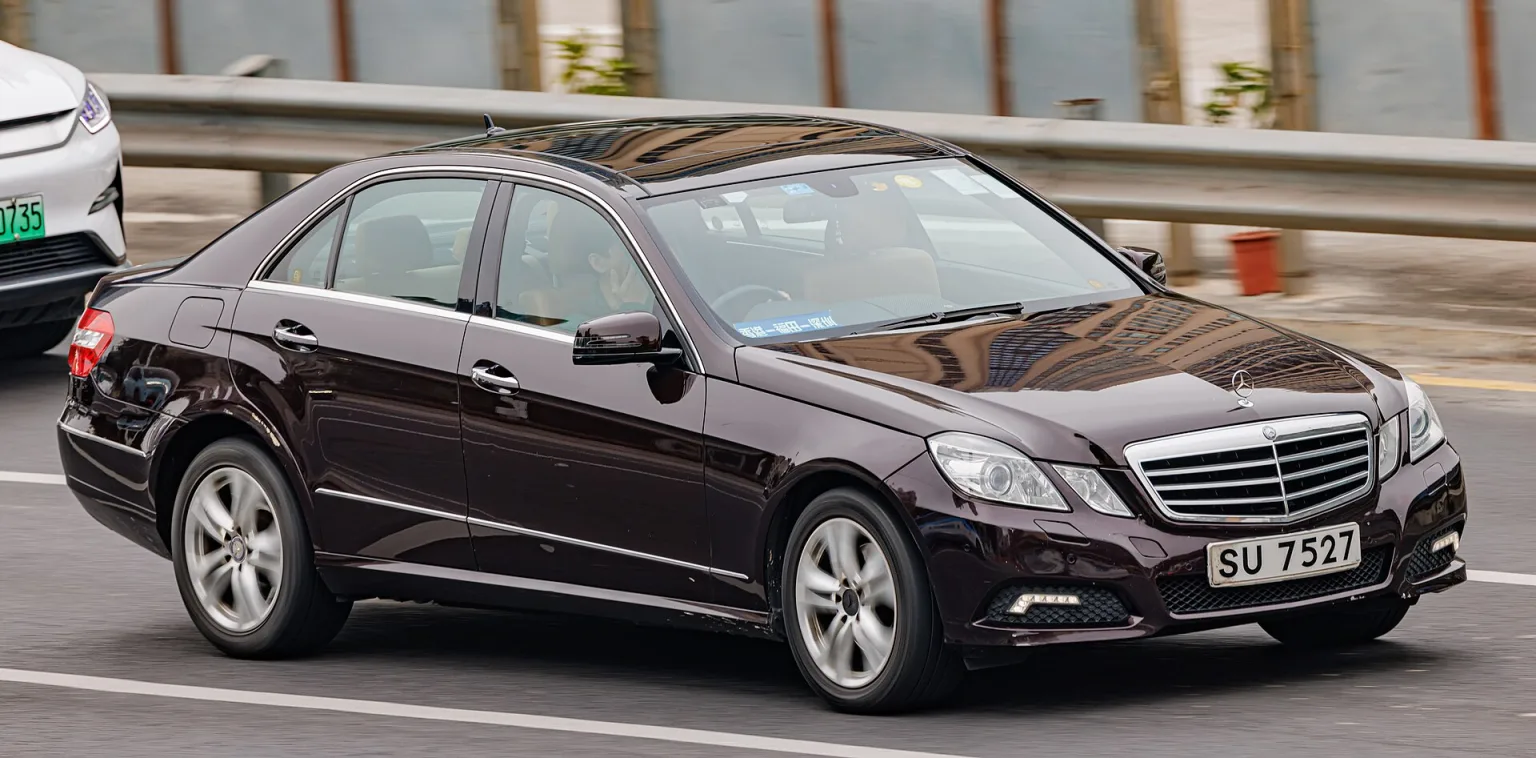
Bosch introduced its Night Vision plus system in 2009, offering drivers an active safety feature designed to spot pedestrians in the dark. The system launched on the Mercedes-Benz E-Class and was also fitted to the S-Class under the name Night View Assist Plus.
Night Vision plus uses a combination of infrared headlights, a camera mounted behind the windscreen, and a dedicated control unit. The system projects invisible infrared light up to 150 metres ahead, far exceeding the reach of standard low-beam headlights. The camera records the illuminated area, and a control unit processes the image in real time.
Unlike earlier night vision systems that simply displayed a high-contrast image, Night Vision plus analyses the video feed to identify pedestrians. When a person is detected, the system highlights them on the display, giving the driver an early warning and the chance to react before a potential collision. According to Bosch, this approach is intended to reduce the risk of accidents involving pedestrians at night, when fatality rates are higher than during daylight hours.
How the system works
The system relies on four main components: infrared headlights, a windscreen-mounted camera, a control unit for image processing, and a high-resolution cockpit display. The infrared lights illuminate the road without dazzling oncoming traffic, while the camera captures reflected infrared light from objects ahead. The control unit analyses the image pixel by pixel, using algorithms to distinguish between stationary and moving objects. If a moving object is identified as a pedestrian, it is visually marked on the display.
- Infrared headlights: Illuminate up to 150 metres ahead.
- Camera: Mounted behind windscreen to capture infrared reflections.
- Control unit: Processes and analyses image data for pedestrian detection.
- Cockpit display: Shows real-time, high-contrast images and highlights detected pedestrians.
Deployment in Mercedes-Benz models
Mercedes-Benz was the first manufacturer to offer Bosch's Night Vision plus in production cars. The system appeared as Night View Assist Plus on the 2009 E-Class and was also available on the new generation S-Class. These models integrated the system into their dashboard displays, providing real-time warnings to drivers during night-time journeys. For more on the S-Class's technology, see Mercedes-Benz unveils 2014 S-Class with advanced tech and new engines.
Bosch’s approach to night vision highlights a trend towards more active safety features that process and interpret data for the driver, rather than simply presenting raw images. As pedestrian safety remains a focus for both manufacturers and regulators, such systems are likely to influence the development of future driver assistance technologies.