Brazil New Car Sales Drop 6.6% in February as Carnival Slows Market
Brazilian car and light truck sales fell by 6.6% in February, with the Carnival holiday period contributing to a nearly 9% year-on-year decline.
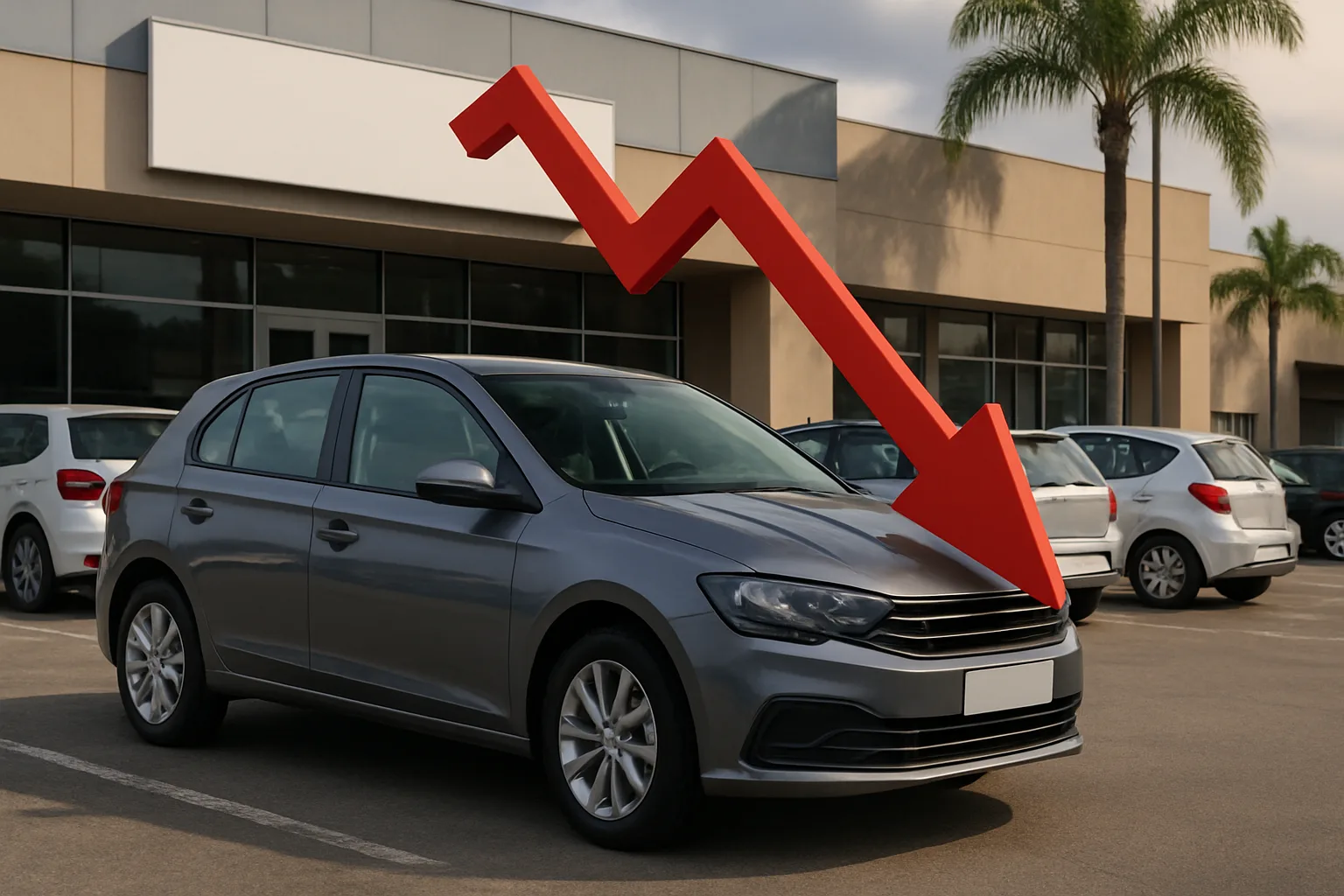
New car and light truck sales in Brazil dropped 6.6% in February 2012 compared to January, according to data published in early March. The year-on-year decline was even steeper, with sales falling 8.9% compared to February 2011. These figures reflect a challenging month for the Brazilian automotive sector, with several contributing factors amplifying the fall in sales.
Overview of February 2012 Car Sales Decline in Brazil
Carnival Holiday and Its Effect on the Market
The timing of Carnival, a major national holiday in Brazil, had a clear impact on February’s sales figures. With Carnival celebrations taking place across the country, many businesses, including car dealerships, closed their doors or operated on reduced hours for several days. This led to a sharp decrease in showroom traffic during the month. The holiday’s effect on sales is well established in the Brazilian market, but in 2012, the drop was more pronounced. Dealers reported that the shortened trading period made it difficult to meet monthly targets, as potential buyers delayed their purchases until after the festivities had ended. The result was a notable dip in both month-on-month and year-on-year sales.
Carnival’s impact is not limited to just one year. The holiday regularly disrupts business activity, with consumers often postponing major purchases such as vehicles until after the celebrations. In February 2012, this seasonal effect was compounded by other pressures facing the automotive sector, making the decline in sales particularly significant.
Broader Economic Pressures
While Carnival played a major role in the February sales decline, the 8.9% year-on-year fall suggests that broader economic factors may also have influenced consumer behaviour. Economic uncertainty, shifts in consumer confidence, and changing credit conditions can all affect demand for new vehicles. Although the holiday’s effect is predictable, the scale of the drop in 2012 indicates that the market was also responding to other challenges.
During periods of economic uncertainty, consumers may delay large purchases or opt for used vehicles instead. Interest rates, inflation, and employment trends can all play a role in shaping demand for new cars. In early 2012, concerns about the global economy and local market conditions likely contributed to the caution seen among Brazilian car buyers.
Comparison with Other Markets
Brazil’s February figures are part of a wider pattern of volatility in car sales observed in other regions. While Carnival is unique to Brazil, sharp monthly swings in vehicle sales are often seen in other countries during major holidays, economic slowdowns, or periods of uncertainty. For example, European car markets have reported steep drops in new car sales during times of crisis or when seasonal factors disrupt normal trading patterns.
Such fluctuations highlight the sensitivity of the automotive sector to both the calendar and broader economic sentiment. In Brazil, the February decline serves as a reminder that even in large, growing markets, external events and economic headwinds can have an immediate impact on sales performance.
Dealerships and Manufacturers Respond
Dealerships across Brazil faced a challenging month as they struggled to attract customers and meet their sales targets. Many reported that the shortened trading period during Carnival made it difficult to maintain momentum, and some saw customers postpone purchases until March. The drop in showroom traffic forced dealers to adjust their sales strategies, with some focusing on post-holiday promotions to lure buyers back into showrooms.
Manufacturers, meanwhile, closely monitored the market and looked to March sales figures for signs of recovery. The February decline raised questions about whether the market would rebound quickly once normal trading resumed, or if broader economic concerns would continue to weigh on demand.
Outlook for the Brazilian Automotive Market
Brazil remains one of the largest automotive markets in the world, but the February 2012 sales figures highlight its sensitivity to both seasonal and economic factors. As dealerships and manufacturers awaited March data, industry observers were keen to see whether pent-up demand would lead to a rebound or if caution would persist among buyers. The experience of February 2012 underlines the importance of understanding both local events and global economic trends when assessing the prospects for car sales in Brazil.