BYD overhauls Seagull EV with larger body and luxury features
BYD’s cheapest electric car, the Seagull, is being replaced by a bigger, more powerful model with higher-end equipment and a new 95 kW motor.
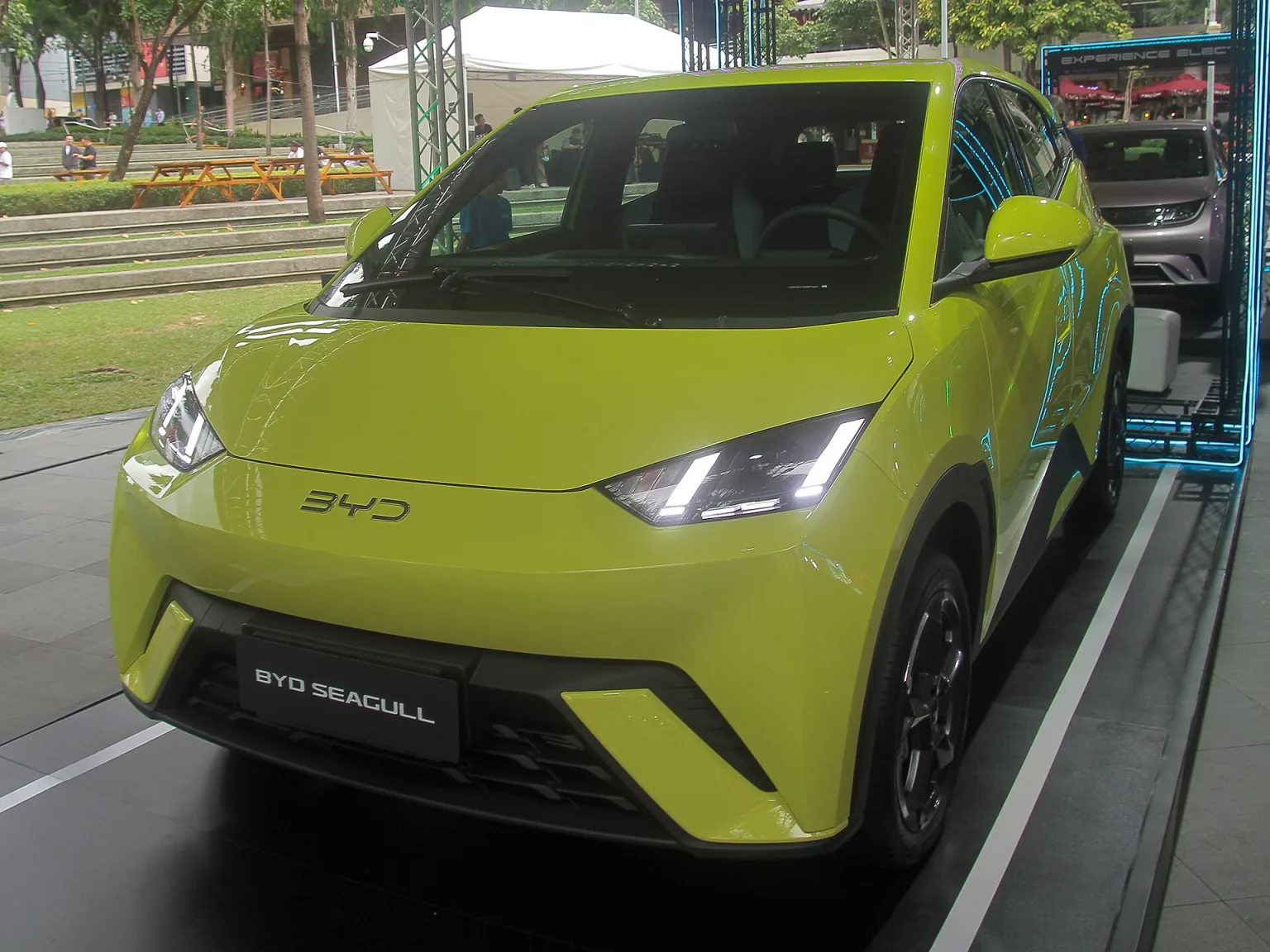
BYD is preparing to replace its entry-level Seagull electric car with a significantly larger and more advanced model, which will be known as the 'Great Seagull'. This new version is expected to go on sale by the end of 2026, according to Zhang Zhuo, general manager of BYD’s Ocean series. The overhaul marks a major shift for BYD’s most affordable EV, bringing it closer to the compact hatchback class with a range of upgrades in size, power, and features.
BYD’s Entry-level EV Gets a Major Upgrade
Larger Dimensions and Upgraded Powertrain
One of the most significant changes to the second-generation Seagull is its increased size. The new model will measure 4,205 mm in length, 1,810 mm in width, and 1,570 mm in height, with a 2,650 mm wheelbase. These figures represent a substantial increase over the outgoing model, which was notably smaller and positioned at the lower end of the city car segment.
The new Seagull will also receive a more powerful electric motor, producing 95 kW (127 hp) compared to the previous 55 kW (75 hp) unit. This upgrade is expected to improve acceleration and overall performance. Reports from Autohome suggest that the motor will be rear-mounted, replacing the previous front-motor layout, although BYD has not officially confirmed this change. The move to a rear-motor setup could potentially enhance handling and driving dynamics, especially in urban environments.
Luxury Features and Interior Enhancements
BYD has announced that the new Seagull will offer features not typically found at this price point. Among the highlights are an immersive cockpit with ambient lighting, power-adjustable front seats with massage functions, a 94-litre front trunk, and up to 1,380 litres of luggage space. These upgrades are designed to move the Seagull upmarket while maintaining its reputation for value.
In addition to these comfort and convenience features, the second-generation Seagull is expected to offer more advanced smart driving assistance. According to reports from Autohome, the new model may include BYD’s God’s Eye B system, which could bring enhanced safety and driver assistance capabilities. However, BYD has not yet confirmed the inclusion of this technology.
Local media also suggest that higher-priced variants of the new Seagull could be equipped with BYD's latest Blade LFP Batteries 2.0 and rapid charging technology. These would represent a significant step forward in terms of battery performance and charging speed, but again, BYD has not officially confirmed these details.
Global Market Positioning and Sales Performance
The Seagull has been BYD’s most affordable electric vehicle, with a starting price of 69,900 yuan in China (around $10,000). Internationally, it is marketed as the Dolphin Surf in Europe and the UK, and as the Dolphin Mini in other regions. This strategy of rebadging has allowed BYD to adapt its entry-level EV to different markets and regulatory environments while keeping its appeal broad and accessible.
In the first half of 2026, the Seagull and its rebadged siblings achieved a significant sales milestone, ranking as the world’s sixth-best-selling EV with over 152,000 units sold globally through June. This success demonstrates the strong demand for affordable electric vehicles with practical features and modern technology.
Following the launch of the new model in China, BYD is expected to introduce the larger second-generation electric hatchback to overseas markets. It is likely to be sold as the new Dolphin Surf or Dolphin Mini, depending on the region. According to estimates cited by Electrek, pricing for Europe could start at about €30,000 ($35,000), though this has not been confirmed by BYD. The move upmarket could make the Seagull more competitive with other compact EVs available in Europe and beyond.
Specification Comparison: Old vs New Seagull
| Specification | Current Seagull | Second-gen Seagull |
|---|---|---|
| Length | 3,780 mm | 4,205 mm |
| Width | 1,715 mm | 1,810 mm |
| Height | 1,540 mm | 1,570 mm |
| Wheelbase | 2,500 mm | 2,650 mm |
| Motor power | 55 kW (75 hp) | 95 kW (127 hp) |
Why BYD Is Making the Seagull Bigger
The decision to enlarge and enhance the Seagull reflects several trends in the global EV market. As electric vehicles become more mainstream, buyers are seeking models that combine affordability with increased practicality, comfort, and technology. Compact hatchbacks, which offer more space and versatility than city cars, have become especially popular in Europe and other regions with dense urban areas. By moving the Seagull into the compact class and adding features typically reserved for more expensive models, BYD is aiming to capture a broader audience and compete with established rivals from Europe, Japan, and Korea.
Additionally, the introduction of more powerful motors and potentially advanced driver assistance systems positions the new Seagull as a more attractive option for buyers who might otherwise consider stepping up to a larger or more premium EV. These changes could help BYD solidify its reputation as a leader in affordable but well-equipped electric vehicles.
Potential Impact on the EV Market
The overhaul of the Seagull could have significant implications for the global EV market, particularly in the entry-level and compact segments. BYD’s ability to offer a larger, more powerful, and better-equipped EV at a competitive price could put pressure on other manufacturers to follow suit. This may lead to a new wave of affordable electric hatchbacks with features that were previously limited to higher-priced models.
For consumers, the arrival of the new Seagull could mean more choices in the compact EV category, with better value for money and a wider range of features. For BYD, success with the Great Seagull could further boost its global sales and strengthen its position as a key player in the transition to electric mobility.
What to Expect Next
As the launch of the new Seagull approaches, more details about its final specifications, pricing, and international rollout are expected to emerge. BYD’s plans to introduce advanced technology and luxury features at an affordable price point will be closely watched by both consumers and competitors. The company’s ability to deliver on these promises could set a new benchmark for entry-level and compact electric vehicles in the coming years.
Summary of Key Changes
- The second-generation Seagull will be significantly larger than the current model, moving into the compact hatchback class.
- Power output increases from 55 kW (75 hp) to 95 kW (127 hp), with a possible switch to a rear-mounted motor.
- Luxury interior features such as ambient lighting, power-adjustable seats with massage, and increased luggage space are planned.
- Advanced smart driving assistance and possible new battery technology may be included in higher trims.
- Global rollout expected after China launch, with new model likely to be sold as Dolphin Surf or Mini in overseas markets.
- Estimated starting price for Europe is around €30,000 ($35,000), but this is not confirmed.
- The Seagull remains one of the world’s best-selling EVs, with over 152,000 units sold in the first half of 2026.