White House clears path for mandatory car black boxes in US
The White House has approved a proposal for mandatory event data recorders in all new light vehicles, moving the US closer to universal black box adoption.
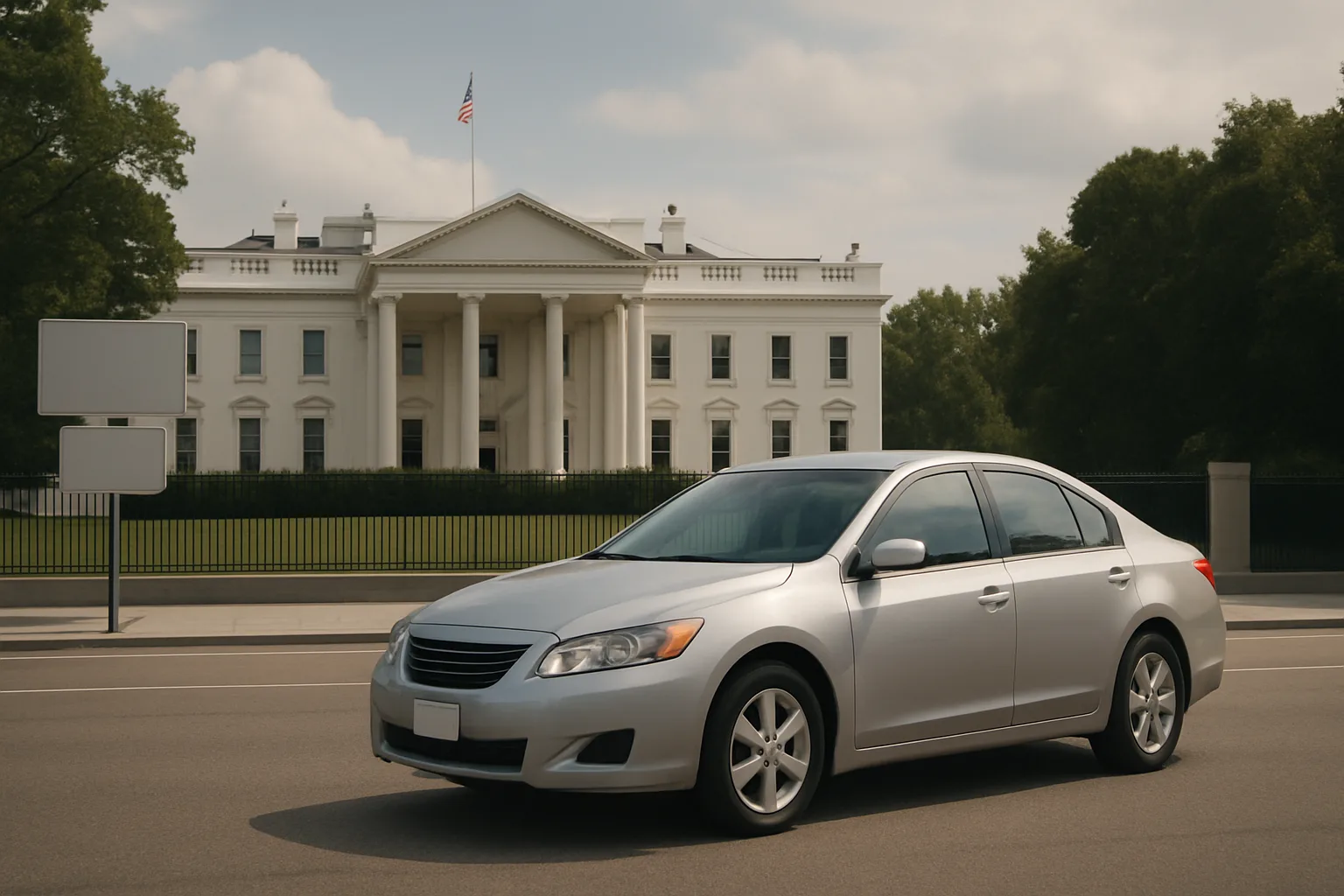
The White House Office of Management and Budget has completed its review of a proposal to make event data recorders (EDRs), commonly called car black boxes, mandatory in all new cars and light trucks sold in the United States. The move allows the National Highway Traffic Safety Administration (NHTSA) to proceed with publishing the final rule, which would require 100 percent EDR fitment across the light vehicle market.
At present, nearly all new vehicles sold in the US already come equipped with EDRs, with NHTSA estimating coverage at 91.6 percent. The proposed regulation would close the gap, making the devices compulsory for the remaining segment of the market. The regulation would apply to approximately 15.5 million light vehicles sold each year, according to industry figures.
What event data recorders capture
EDRs record technical vehicle data in the moments before and during a crash. This information can include speed, throttle position, seatbelt status, braking and steering inputs, and airbag deployment timing. The data is primarily used for crash investigation and safety analysis, helping manufacturers and regulators understand how vehicles and drivers behave in real-world incidents.
Industry response and privacy concerns
The Alliance of Automobile Manufacturers, representing companies including General Motors, Ford, Chrysler, Toyota and Volkswagen, has called for clear privacy protections as part of any federal mandate. The group has stated that automakers do not access EDR data without consumer permission and wants any new requirements to include explicit safeguards for driver privacy. This echoes previous debates in Congress, where privacy was a sticking point during earlier attempts to legislate mandatory EDRs.
- General Motors
- Ford
- Toyota
- Mazda
With the White House approval, NHTSA is now expected to issue its final regulation. The move formalises a technology that is already widespread, but it also brings renewed attention to the balance between safety, cost and privacy in modern vehicles. The cost impact is expected to be proportional to the number of vehicles affected, but with most cars already fitted with EDRs, manufacturers are unlikely to face substantial new technical challenges.
Next steps for the rule
Once NHTSA publishes the final rule, all new light vehicles sold in the US will be required to include an EDR. The agency has not yet announced the precise implementation timeline. The rule will not apply retroactively to vehicles already on the road.
The decision follows a broader trend towards increased data collection in vehicles and comes as privacy and data security remain contentious topics in the US and abroad. For a look at how similar technology could affect future autonomous vehicles, see German Carmakers Consider Black Boxes for Autonomous Cars.