Mercedes-Benz EQC and GLC F-CELL Previewed in Pre-Production Form
Mercedes-Benz is preparing the EQC electric SUV and the GLC F-CELL hydrogen plug-in hybrid for series production, with both models undergoing extensive testing in 2018.
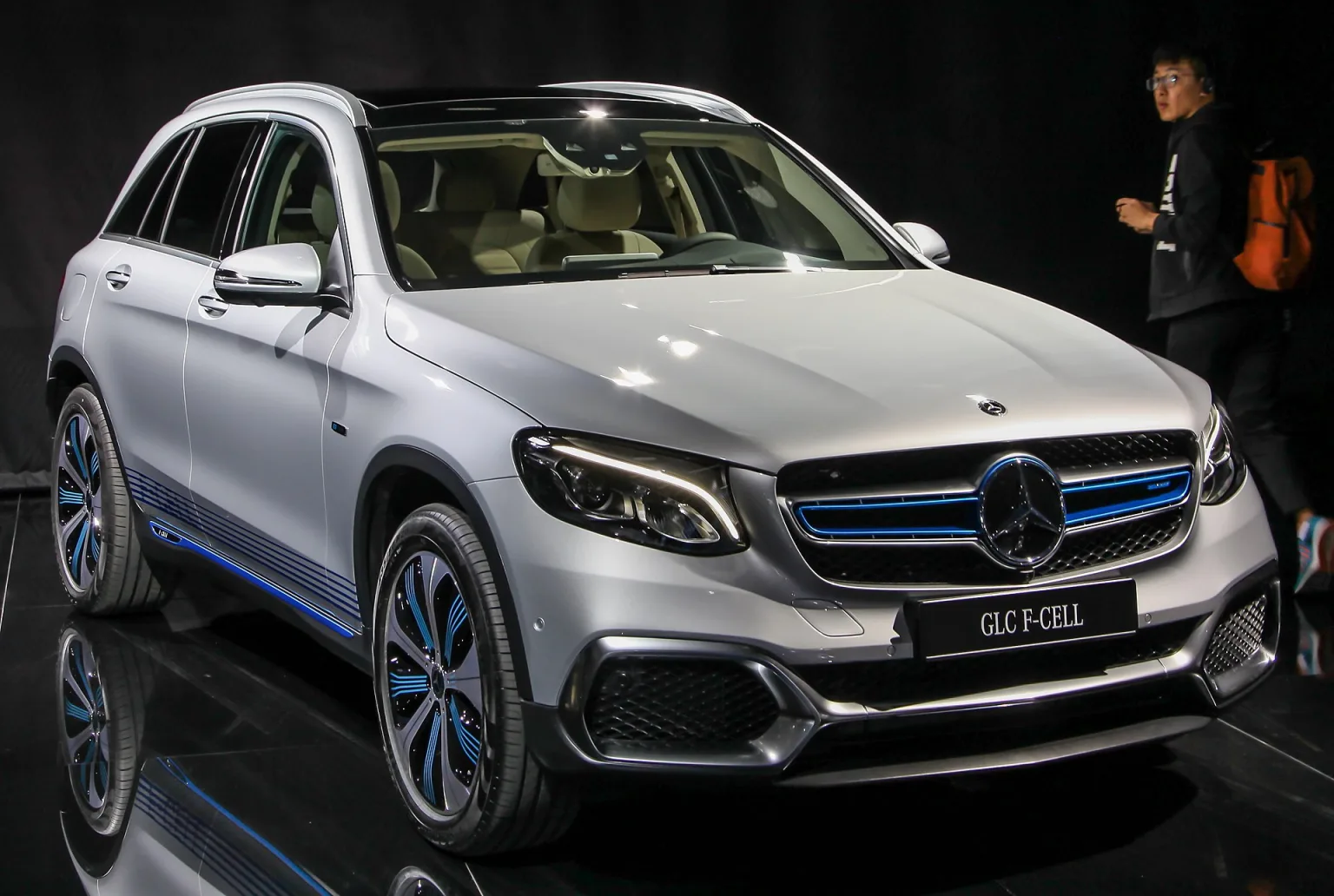
Mercedes-Benz has advanced its electrification strategy with two distinct models: the EQC, its first fully battery-electric SUV, and the GLC F-CELL, a hydrogen plug-in hybrid. Both vehicles entered the final stages of pre-production testing in 2018, representing the brand’s commitment to diverse zero-emissions technologies. These models were unveiled to demonstrate Mercedes-Benz’s approach to next-generation mobility, with the EQC marking the arrival of the EQ sub-brand and the GLC F-CELL showcasing a unique dual powertrain.
Introduction to Mercedes-Benz EQC and GLC F-CELL
Mercedes-Benz EQC: Pioneering Electric Mobility
The EQC is the first production vehicle from Mercedes-Benz’s EQ sub-brand, which is dedicated to electric vehicles. In 2018, the EQC was seen undergoing winter testing in northern Sweden, with further hot-weather evaluations planned in southern Europe and the United States. These rigorous tests are part of over 500 individual trials that every new Mercedes-Benz model must pass before reaching series production.
While technical details of the EQC remained limited during the pre-production phase, Mercedes-Benz confirmed that the SUV would feature all-wheel drive and a focus on both performance and utility. The company also highlighted the inclusion of advanced connectivity and telematics solutions, reflecting the brand’s commitment to integrating the latest technology into its electric vehicles.
The EQC is positioned as a significant step forward in Mercedes-Benz’s electric vehicle strategy. By combining the company’s traditional values of comfort and engineering with zero-emissions driving, the EQC is intended to appeal to customers seeking a premium electric SUV experience. Its development signals Mercedes-Benz’s broader ambitions in the rapidly growing EV market.
GLC F-CELL: Dual Powertrain Innovation
Unlike the camouflaged EQC, the GLC F-CELL was presented without disguise, having already been shown in concept and prototype form at earlier official events. The GLC F-CELL stands out for its innovative combination of hydrogen fuel cell technology and plug-in hybrid battery capability. This allows the vehicle to be refuelled with hydrogen or charged via a standard electrical outlet, offering flexibility for different driving needs and infrastructure availability.
By integrating two competing electrification technologies, the GLC F-CELL aims to maximise the potential for zero-emissions driving. The vehicle can operate on hydrogen alone, on battery power, or a combination of both, depending on the situation. This versatility is designed to address concerns about range and refuelling infrastructure that can affect the adoption of alternative powertrains. The GLC F-CELL is among the first production-ready vehicles to offer this dual approach in an SUV format.
Testing and Validation
Both the EQC and GLC F-CELL underwent extensive testing across a range of environments. In Sweden, engineers focused on winter performance, particularly the effectiveness of all-wheel drive and battery management systems in cold conditions. Subsequent trials in southern Europe and the United States assessed the vehicles’ reliability and efficiency in hot climates. These comprehensive tests are part of Mercedes-Benz’s established validation process, ensuring that each model meets the brand’s standards for quality, safety and performance before entering series production.
Market Implications and Future Outlook
The debut of the EQC and GLC F-CELL in pre-production form demonstrates Mercedes-Benz’s strategy to offer a broad portfolio of electrified vehicles. The EQC is set to compete with other premium electric SUVs, while the GLC F-CELL’s dual powertrain offers a unique alternative for drivers interested in both hydrogen and battery-electric technologies. As Mercedes-Benz continues to develop these models, their success will likely influence the company’s future direction in sustainable mobility and the adoption of alternative fuels in the automotive industry.