

Chinese Tech Giants Target Smart Electric Car Market
Tencent, Alibaba and Baidu are investing heavily in internet-connected electric vehicles, aiming to establish China as a leader in the emerging segment.
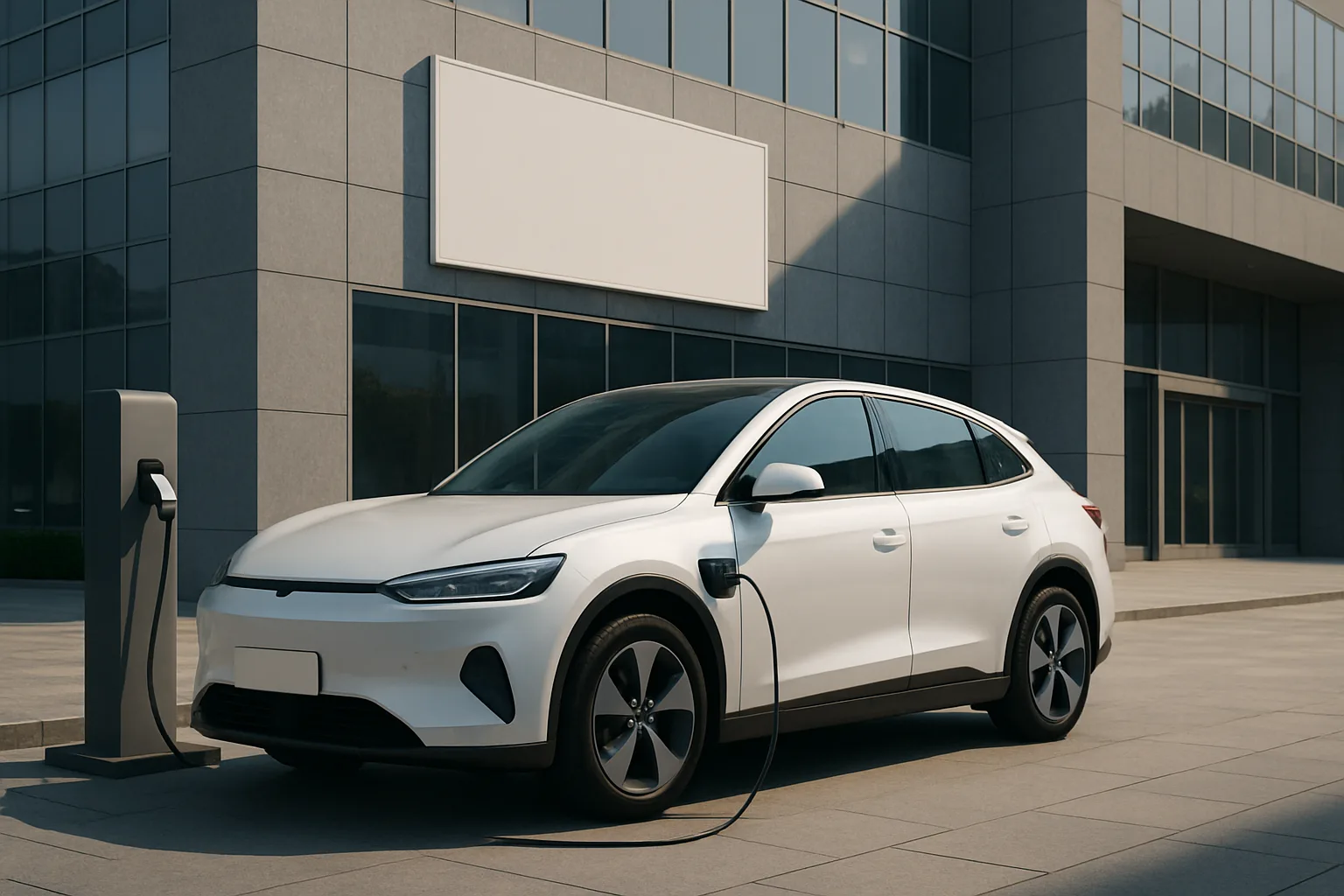
Tencent Holdings has formed a partnership with Hon Hai Precision Industry and China Harmony Auto to enter the market for smart, internet-connected electric vehicles, as Chinese technology firms accelerate efforts to shape the future of the country’s car industry.
The alliance brings together Tencent’s software and internet expertise, Hon Hai’s manufacturing capacity and China Harmony Auto’s dealership network. The group intends to develop and sell electric vehicles with advanced connectivity features, leveraging each partner’s strengths to compete in a segment that is attracting growing investment from both established manufacturers and technology companies.
Rival tech firms move into connected vehicles
Tencent is not alone in targeting the smart EV market. Alibaba Group has already announced a $160 million joint venture with SAIC Motor, with the first product expected in 2016. Baidu, China’s largest search engine operator, has signalled even greater ambition, with CEO Robin Li stating the company could launch its first autonomous vehicle before the end of the year.
The involvement of these technology giants reflects a wider trend in China, where internet firms see opportunities to shape the next generation of vehicles through connectivity, data and autonomous driving. Their entry is supported by government policy encouraging new entrants and innovation in the electric vehicle sector. For more on China’s regulatory approach, seeChina Prepares Draft Policy to Open Electric Vehicle Production to New Entrants.
Investment and product plans
The Tencent partnership follows a series of moves by the involved companies. China Harmony Auto has prepared to acquire Green Field Motor, a small Chinese EV maker that recently launched the e-X5, an all-electric SUV priced below $10,000. Hon Hai, better known as Foxconn outside China, previously invested HK$609 million in China Harmony Auto, taking a 10.5 percent stake.
Alibaba’s joint venture with SAIC is expected to focus on integrating e-commerce and cloud services into vehicles, while Baidu’s autonomous driving programme aims to leapfrog traditional carmakers by focusing on artificial intelligence and mapping technology. The first wave of products from these alliances is due in the coming years, with connected features such as in-car payments, voice control and over-the-air updates likely to be standard.
Implications for the Chinese car market
The entry of China’s largest internet firms into the electric and connected car market could accelerate the development of smart vehicles tailored to domestic consumers. Their scale, software expertise and access to user data position them to challenge both foreign and traditional automotive manufacturers. The push into this sector also aligns with government goals to reduce emissions and promote new energy vehicles, as well as to foster domestic innovation in key industries.



