Ferrari F430 Driver Killed in Head-On Collision with Truck in China
A Ferrari F430 crashed head-on into a truck in China, resulting in the death of the supercar’s driver and highlighting the risks of high-performance vehicles on public roads.
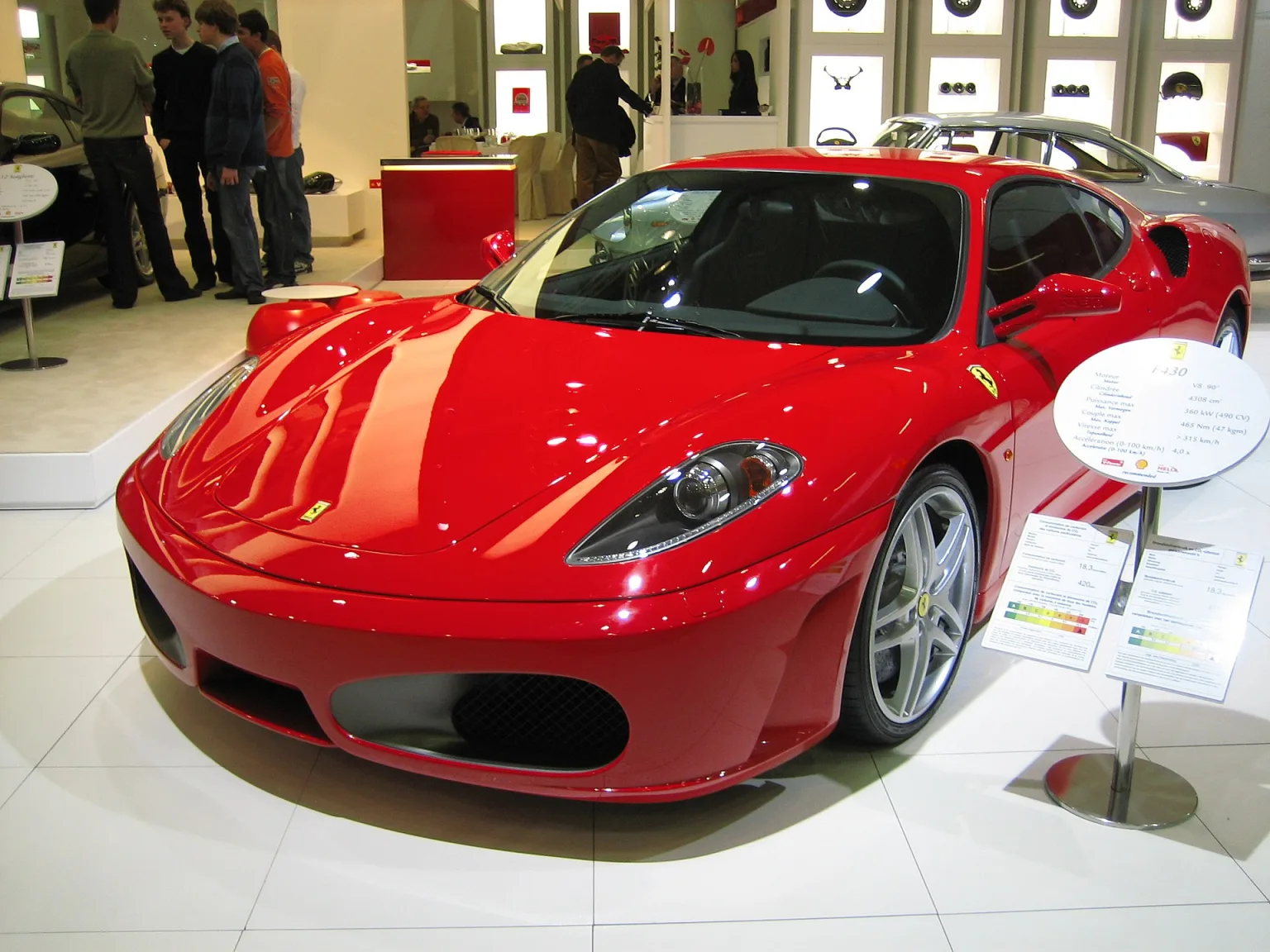
A Ferrari F430 driver was killed in China after the supercar collided head-on with a truck. The crash, reported in April 2013, left the Ferrari’s driver with no chance of survival due to the severity of the impact.
Few details have emerged about the precise location or circumstances of the collision, but images and reports from the scene indicate that the front of the F430 sustained catastrophic damage. The force of the impact suggests that neither the car’s structure nor its safety systems could protect the occupant in such a violent crash. The incident highlights the dangers faced by drivers of high-performance vehicles, especially when involved in collisions with much larger vehicles such as trucks.
Ferrari F430: Performance and Risks
The Ferrari F430, introduced in 2004 and produced until 2009, is a mid-engined, rear-wheel-drive supercar powered by a 4.3-litre V8 engine. With 483hp and 465Nm of torque, the F430 is capable of reaching 100km/h from standstill in under four seconds and a top speed in excess of 310km/h. Such performance, while appealing to enthusiasts, can also present risks when used on public roads with mixed traffic and variable conditions.
| Engine | 4.3-litre V8 |
|---|---|
| Power Output | 483hp |
| Torque | 465Nm (343 lb-ft) |
| 0-100km/h | Under 4 seconds |
| Top Speed | Over 310km/h |
| Production Years | 2004-2009 |
The Ferrari F430’s 4.3-litre V8 engine produced 483hp, making it one of the most powerful road cars available during its production run. The model was available in two body styles: a two-seat Berlinetta coupe and a Spider convertible, both featuring a mid-engine layout for optimal weight distribution and handling. Its advanced braking and chassis systems were designed for high-speed stability, but even these technologies have their limits in extreme accidents.
Supercars and Road Safety in China
China’s growing number of high-end sports cars on public roads has been accompanied by a series of high-profile crashes. The combination of powerful vehicles, inexperienced drivers and busy road networks has contributed to several fatal incidents involving exotic models. Public attention has previously focused on Ferrari accidents in China, including a widely reported fatal crash involving a 458 Italia, which led to temporary internet censorship of the Ferrari name in the country.
- Increasing supercar ownership in China has resulted in more high-profile accidents.
- Some incidents have involved drivers losing control at high speed, often with fatal consequences.
- After a Ferrari 458 Italia crash, authorities restricted online searches for the Ferrari name in China.
The rising popularity of supercars in China has brought both admiration and concern. While these vehicles represent technological achievement and luxury, their presence on crowded and unpredictable roads can lead to tragic outcomes. The lack of experience with such powerful cars, combined with challenging road conditions, increases the risk of severe accidents. In some cases, high speeds and loss of control have resulted in fatalities, drawing significant media and public attention.
Supercar Safety and Public Roads
While supercars like the F430 are engineered for high-speed stability and feature advanced braking and chassis systems, their safety ultimately depends on the conditions in which they are driven. Collisions with large vehicles such as trucks often result in severe outcomes, regardless of the car’s performance pedigree. The F430’s crash in China is a reminder that even the most advanced road cars cannot always protect occupants in extreme impacts.
Ferrari replaced the F430 with the 458 Italia in 2009, which introduced further advances in safety and handling. However, the risks associated with powerful cars on public roads remain a concern, particularly in markets where supercar ownership has grown rapidly in recent years. The incident in China serves as a stark example of the potential dangers involved, and highlights the importance of responsible driving and awareness of the limitations of even the most advanced vehicles.
What works
- High performance and advanced engineering in the F430
- Iconic styling and strong presence on the road
What does not
- High risk in collisions with larger vehicles
- Potential for fatal accidents in public road conditions
- Limited protection in extreme impacts