Continental Hires Google Robotics Executive to Lead Autonomous Car Push
Continental has recruited a senior Google robotics executive to accelerate its autonomous vehicle programme, signalling intensified competition for talent in the self-driving technology sector.
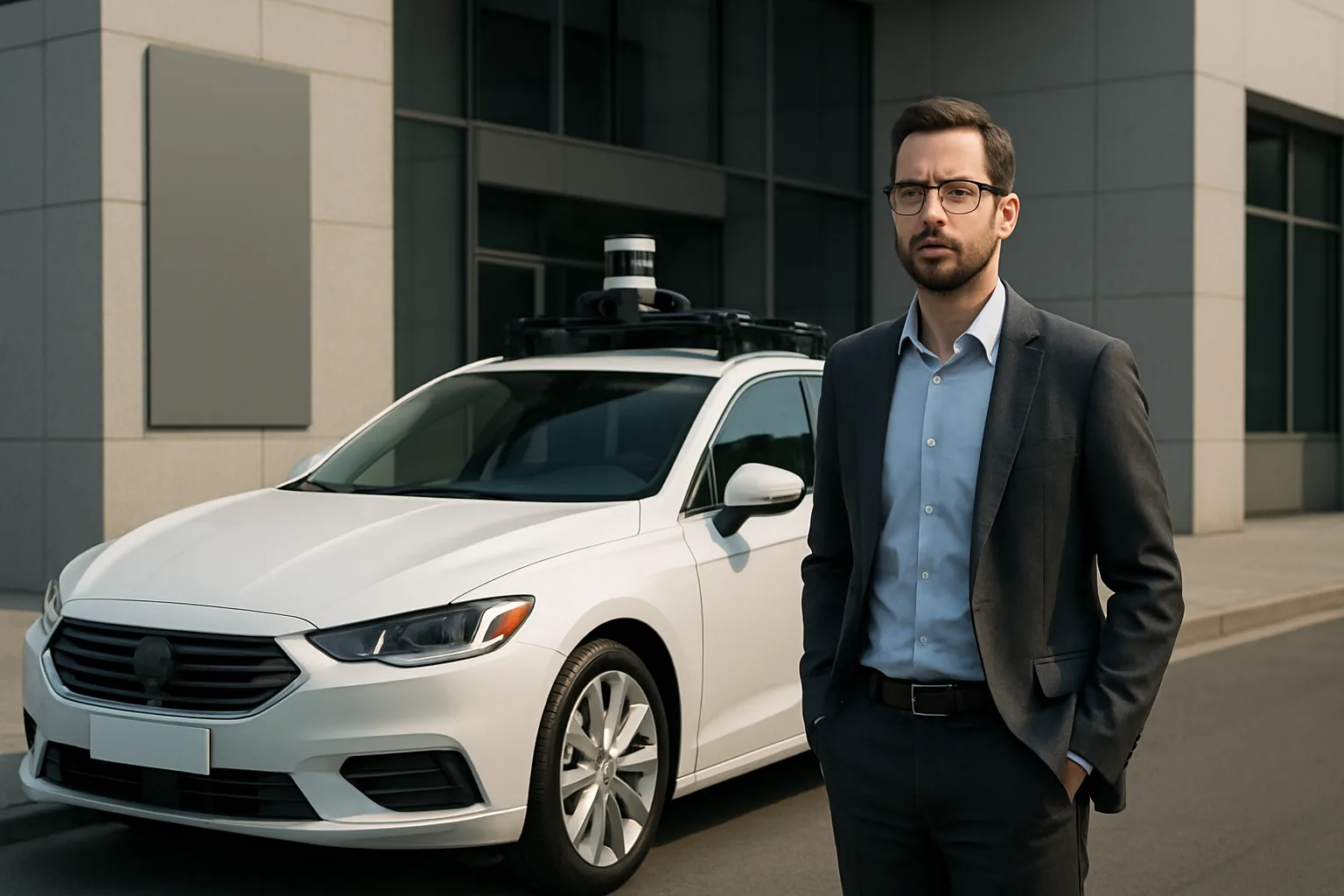
Continental has appointed a senior executive from Google's robotics division to spearhead its autonomous vehicle programme, as the German supplier moves to strengthen its position in the race to bring self-driving technology to market. The hire reflects the growing competition among established automotive firms and tech companies for engineering talent with experience in artificial intelligence and robotics.
Continental's decision to bring in a Google robotics leader comes as suppliers and manufacturers intensify investment in autonomous driving. The company, known for its expertise in automotive electronics and safety systems, is looking to build on its existing work in driver assistance technologies by expanding into fully autonomous solutions. The new executive is expected to oversee Continental’s global strategy for self-driving development, focusing on both hardware and software integration.
Talent war between tech and auto sectors
The recruitment underlines the fierce competition for engineers and project leaders with direct experience of machine learning, robotics and large-scale autonomous vehicle testing. Google, now operating its self-driving car efforts under the Waymo brand, has been a leading player in the field, logging hundreds of thousands of miles on public roads and pushing the boundaries of city driving automation. Continental’s move is the latest example of traditional automotive suppliers looking to Silicon Valley for expertise that can accelerate their own programmes.
While Continental has not disclosed the specific remit or project timelines for its new executive, the hire is expected to support faster development of advanced driver assistance and autonomous platforms. The company already supplies sensors, braking systems and control units to a range of carmakers, and aims to integrate more advanced autonomous features into future vehicle architectures.
Broader implications for the autonomous sector
The appointment comes as autonomous vehicle development accelerates globally. Google has moved its self-driving tests from highways to complex urban environments, while rival firms such as Audi, Mercedes-Benz and Baidu have launched their own pilot projects. Governments are also beginning to address regulatory barriers, although legal frameworks remain a key challenge for widespread deployment.
- Continental: expanding autonomous system development
- Google: continues to test and refine self-driving cars
- Other automakers: Audi, Mercedes-Benz, Baidu and others investing in autonomy
Continental’s recruitment signals that the contest for leadership in autonomous driving will not be limited to technology, but also to the ability to attract and retain the people who can deliver it. As the sector matures, further moves between Silicon Valley and established automotive players are likely.