Audi R8 Supercar Wrecked in Cape Town After New Year
An Audi R8 was severely damaged in a crash in Cape Town on the first weekend of 2015, with images circulating online but few details on the incident.
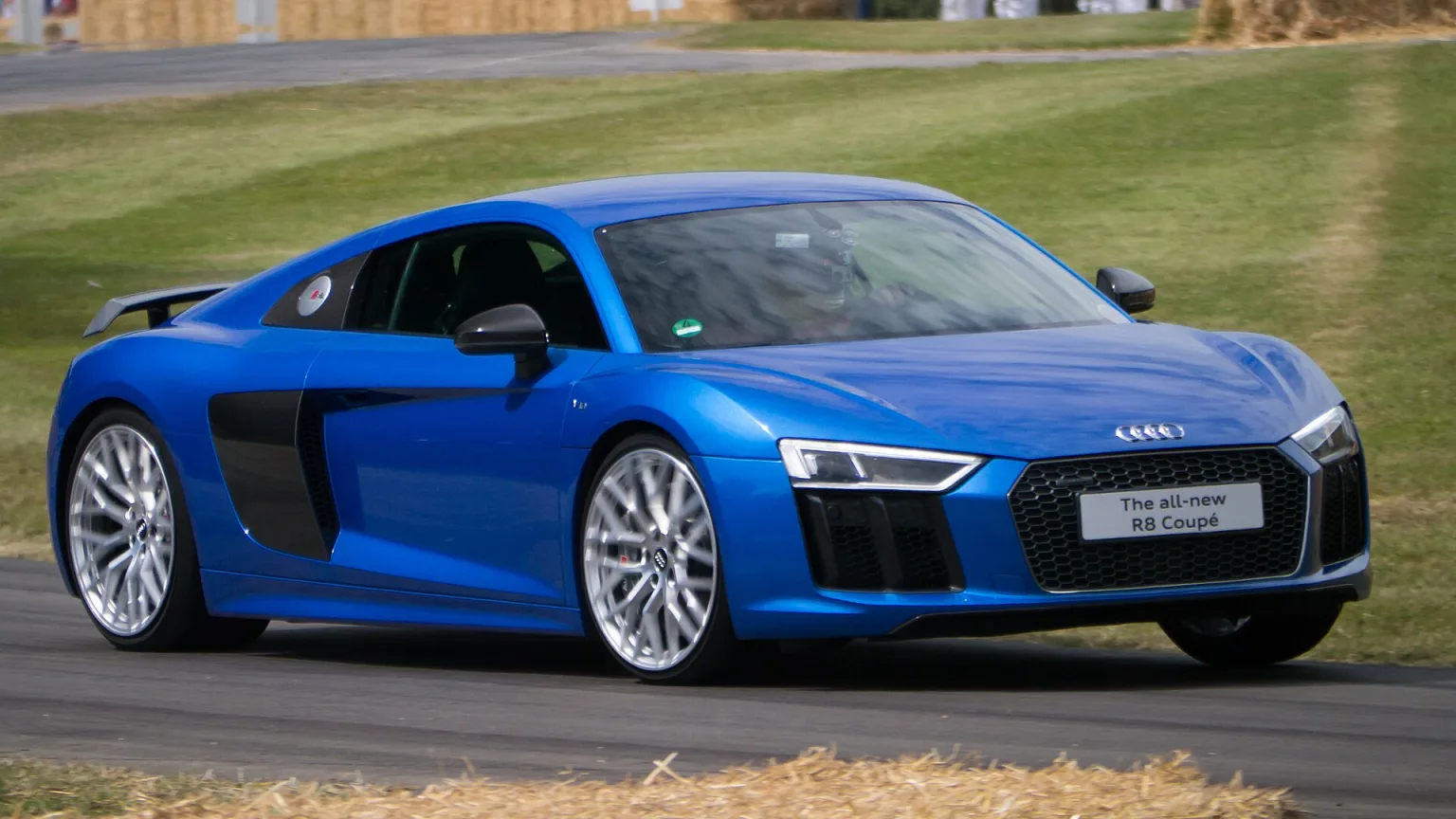
An Audi R8 suffered extensive damage in a crash in Cape Town, South Africa, during the first weekend of 2015. Images of the aftermath spread quickly online, showing the German supercar with heavy front-end destruction. The incident occurred just after Christmas and attracted attention from car enthusiasts and local media alike. Despite the widespread circulation of images, details about the circumstances remain scarce. There is no official account of how the crash happened, and it is unknown whether any injuries were sustained by the driver or passengers.
Audi R8 Crash in Cape Town: What Happened?
Details of the Incident
The crash took place in Cape Town, a city known for its scenic drives and active car culture. The Audi R8 involved was from the first generation, a model produced by Audi from 2007 through the end of 2014. The images available show significant damage to the front of the car, with the bonnet and bumper area completely destroyed. The severity of the impact suggests a high-speed collision, but there is no confirmation regarding the speed at the time of the crash or the exact circumstances leading up to it. No evidence has emerged to indicate the involvement of other vehicles, and no official information has been released about possible injuries.
Audi R8: Model Overview
The first-generation Audi R8, introduced in 2007, quickly became a favourite among enthusiasts for its blend of performance and everyday usability. Designed by Walter de Silva and Frank Lamberty, the R8 was produced at Audi’s Neckarsulm facility in Germany. By the end of 2014, around 55,000 units had been built. The car was available in both coupe and roadster body styles, featuring a longitudinal mid-engine layout and Audi’s quattro permanent all-wheel drive system. Engine options included a 4.2-litre FSI V8 and a 5.2-litre FSI V10, paired with manual or automatic transmissions. The R8 shared its platform with the Lamborghini Gallardo, and its successor would later share underpinnings with the Lamborghini Huracan.
| Body Styles | Two-door coupe, two-door roadster |
|---|---|
| Engine Options | 4.2-litre FSI V8, 5.2-litre FSI V10 |
| Drivetrain | Quattro all-wheel drive |
| Transmissions | 6-speed manual, 6-speed automatic, 7-speed automatic |
| Production Numbers | Approximately 55,000 units |
| Production Facility | Neckarsulm, Germany |
Supercar Crashes in South Africa
South Africa’s roads have seen several high-profile supercar crashes in recent years. The combination of powerful vehicles and public roads can sometimes result in expensive and dramatic accidents. The R8’s crash in Cape Town follows other incidents, such as a Volkswagen Golf 7 GTI launch car crash in the same city. While these events often make headlines and images circulate widely on social media, official details are frequently limited. This pattern reflects both the popularity of high-performance cars in the country and the risks associated with their use outside controlled environments.
Safety Features and Aftermath
The Audi R8 is equipped with advanced chassis engineering and safety systems intended to protect occupants in high-speed impacts. Despite these features, the extent of the damage in the Cape Town crash suggests a significant collision. The front structure was badly compromised, with the bonnet and bumper destroyed, indicating the force of the impact. The fate of the car remains unclear, but given the severity of the damage, any repair would likely require substantial work and expense. There is no confirmation on whether the car will be written off or restored.
Ongoing Appeal of the Audi R8
Even as Audi prepared to launch the next generation of the R8 in 2015, the outgoing model continued to attract attention for its balance of performance, design, and usability. The R8’s presence on South African roads highlights its appeal among enthusiasts, despite the risks associated with such high-powered vehicles. Supercar crashes like the one in Cape Town serve as reminders of the challenges and responsibilities that come with driving these machines on public roads.
Lack of Official Information
With no official investigation details released, the Cape Town R8 crash remains an example of a supercar incident where the facts are limited to what images reveal. The absence of a formal account means speculation continues about the cause and consequences of the crash. As is often the case with high-profile car accidents, the focus remains on the striking images and the status of the vehicle rather than confirmed details about what happened.
Summary
The crashed Audi R8 in Cape Town stands as another example of the risks associated with high-performance cars on public roads. While the exact circumstances remain unknown, the incident highlights the continued fascination with supercars in South Africa and the challenges of keeping such vehicles safe outside controlled environments. The story of this particular R8 may remain incomplete, but it continues to capture the attention of enthusiasts and serves as a reminder of the importance of caution when behind the wheel of a powerful car.