Fernley accuses F1's big teams of using customer cars to squeeze out independents
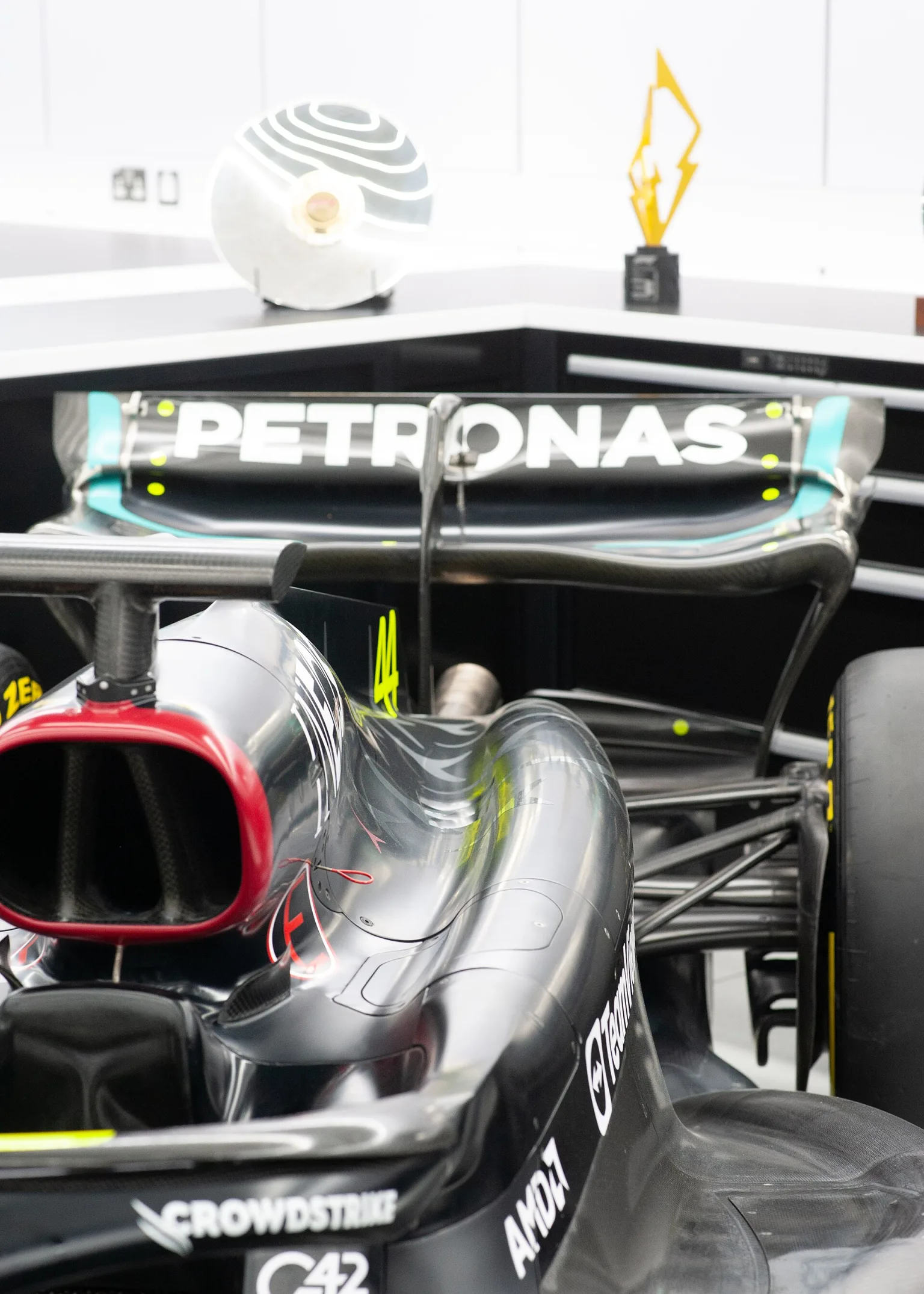
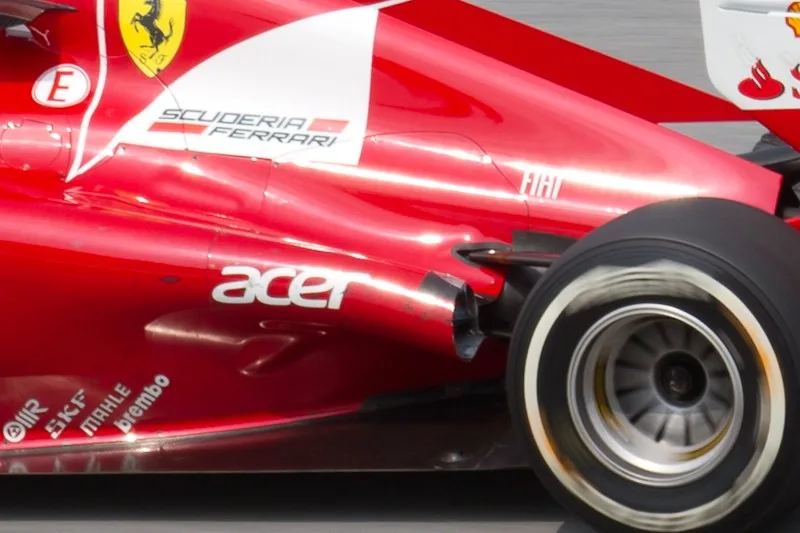
Force India's Bob Fernley claims McLaren, Ferrari, Mercedes and Red Bull are pushing customer car plans to consolidate power and revenue at the expense of smaller teams.
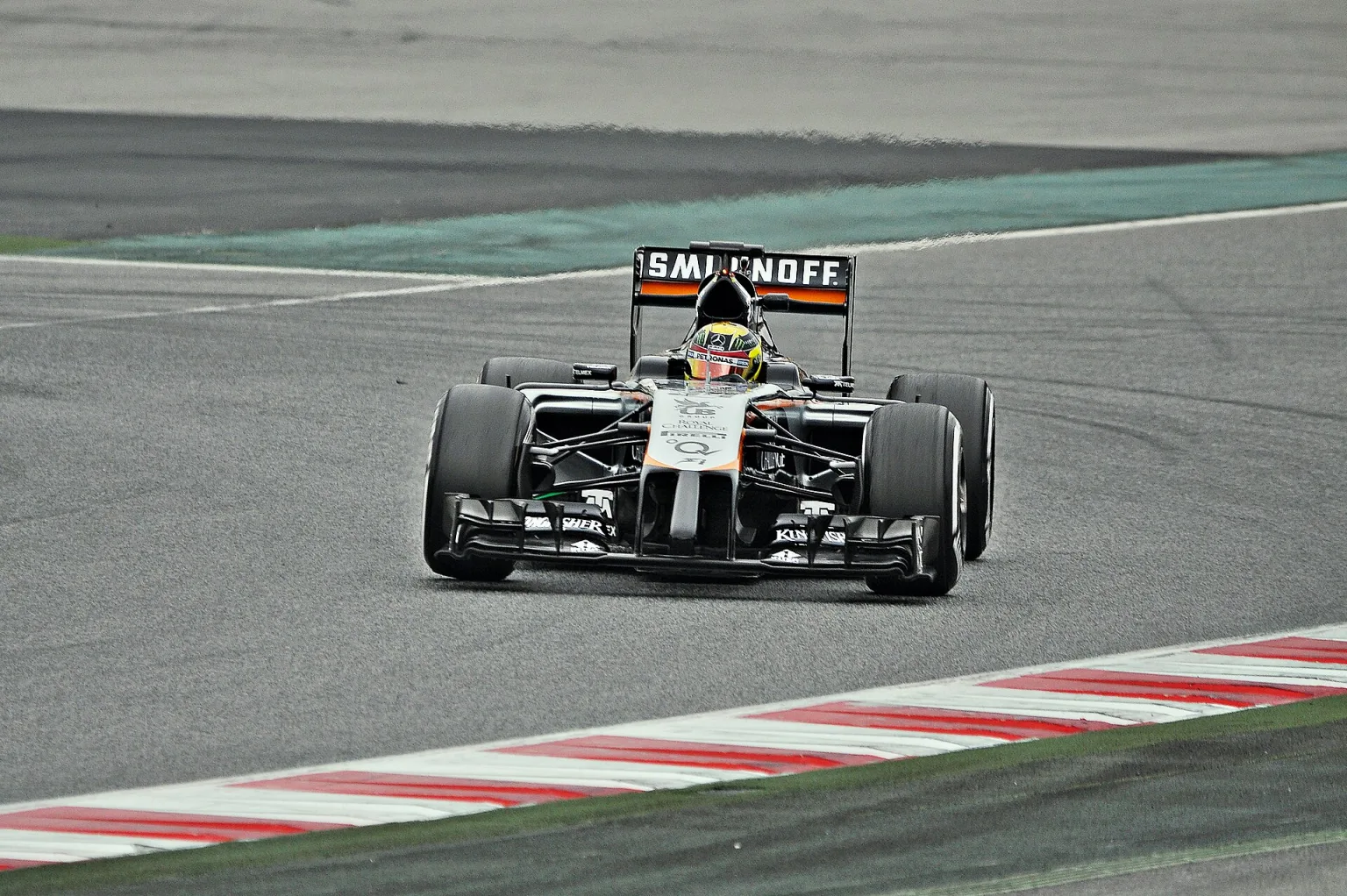
Force India deputy team principal Bob Fernley has accused Formula One’s largest outfits of using the customer car debate to force independent teams out of the championship. Fernley’s comments followed a meeting in Montreal in June 2015, where only McLaren, Ferrari, Mercedes and Red Bull were invited to discuss the future structure of the grid.
The gathering, called by McLaren’s Ron Dennis, excluded other members of the sport’s strategy group, including Williams and Force India. According to Fernley, this was a deliberate move to sideline teams with less financial clout. He said the plan to introduce customer cars, where smaller teams would buy complete cars from the big four, was designed to consolidate power and prize money among the wealthiest teams.
Customer car proposal and financial motives
The proposal discussed in Montreal would allow the top teams to supply full car packages to so-called ‘franchise teams’ for around €50 million a season. Mercedes’ Toto Wolff described the idea as a necessary contingency if grid numbers fell too low, but admitted that most other teams rejected the concept. Fernley argued that customer cars would not solve the cost crisis for independents, but instead channel more revenue and influence to the big teams.
Fernley said previous suggestions to cut costs, such as reducing the price of power units, introducing a budget cap or changing the distribution of F1’s commercial income, had been blocked by the same four teams now pushing for customer cars. He argued that, by replacing independent constructors with customer outfits, the big teams would eventually claim an even greater share of the sport’s revenue.
Reaction from Ecclestone and implications for the grid
Bernie Ecclestone, then F1’s commercial chief, voiced opposition to the plan, questioning whether it was fair for one competitor to supply another. He suggested he would block any move to introduce customer cars, arguing that it undermined the principle of competition between independent constructors.
The debate highlighted the growing rift between F1’s major manufacturers and the independent teams struggling with rising costs. While the customer car idea was pitched as a way to maintain grid numbers, critics saw it as a means for the biggest teams to entrench their dominance and capture even more of the sport’s prize money. For now, the proposal remained contentious, with no agreement reached among all teams or the sport’s leadership.