Ford EcoBoost Daytona Prototype Breaks 26-Year Speed Record
A Ford-powered Daytona Prototype set a 222.971mph lap at Daytona, eclipsing Bill Elliott’s long-standing record and highlighting the performance potential of Ford’s turbocharged EcoBoost V6.
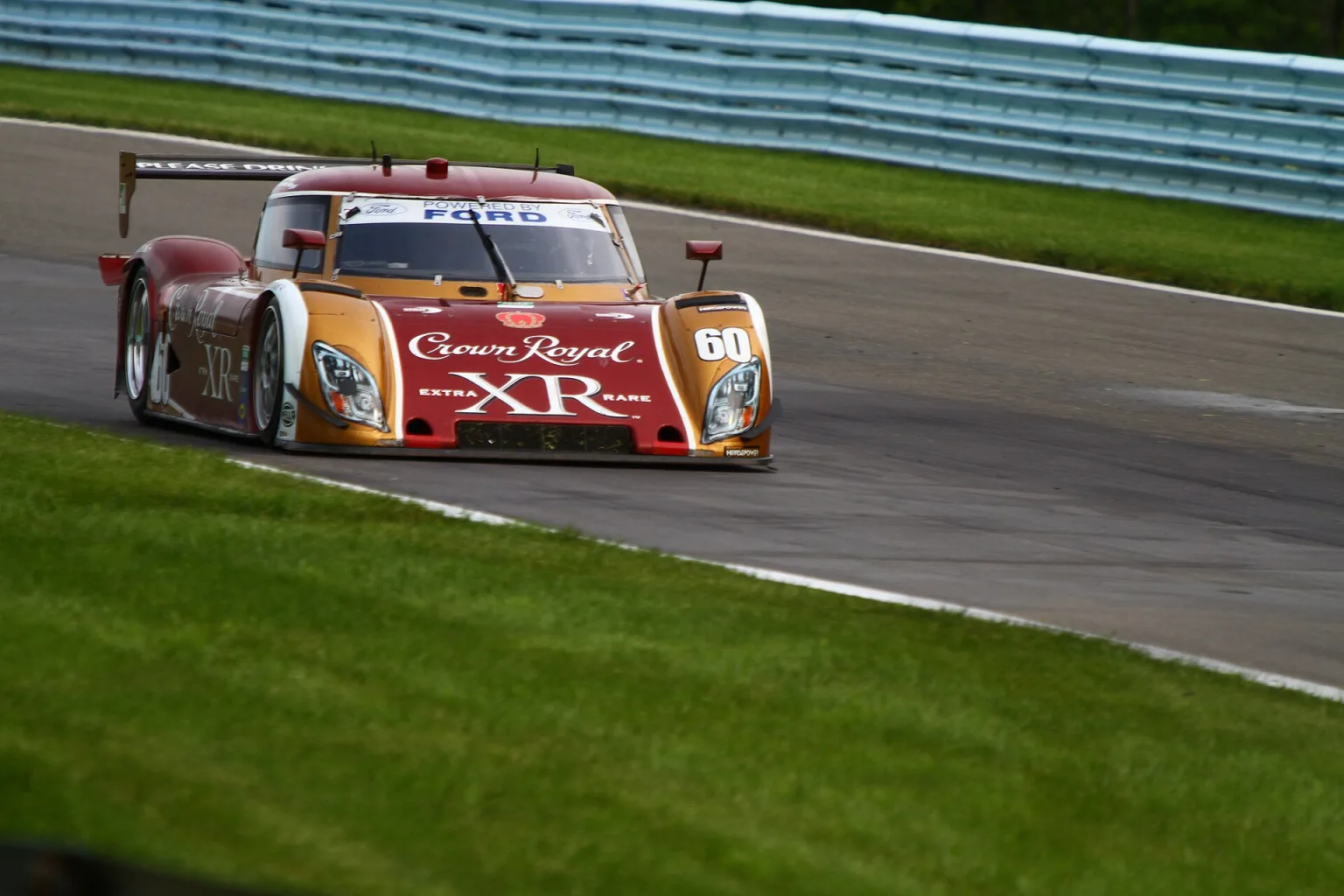
Ford’s EcoBoost-powered Daytona Prototype set a new lap speed record at Daytona International Speedway, reaching 222.971mph and surpassing Bill Elliott’s 1987 mark. The record run took place in October 2013, with Colin Braun at the wheel of the specially prepared prototype. Ford’s effort not only broke a 26-year-old closed-course record but also marked a public demonstration of the performance potential in its turbocharged EcoBoost engine family.
The record lap, clocked at 40.364 seconds around Daytona’s 2.5-mile banked oval, beat Elliott’s 1987 qualifying run in a Ford Thunderbird by more than 12mph. Braun’s run was part of a Ford initiative to showcase the EcoBoost V6’s capabilities in a racing context, ahead of the engine’s entry into the Tudor United SportsCar Championship for 2014. The engine, developed with Roush Yates, was tuned specifically for the record attempt but based on the same 3.5-litre architecture found in Ford’s road cars and trucks.
In addition to the outright lap speed, Braun and the EcoBoost prototype set two further FIA-sanctioned world records: a 10-mile standing start average of 210.01mph and a 10-kilometre standing start average of 202.438mph. Both figures underline the sustained high-speed performance of the car and engine combination, not just its peak speed capability.
EcoBoost technology moves from road to race
Ford’s EcoBoost branding had been closely associated with fuel efficiency, but the Daytona record was aimed at reinforcing its performance credentials. The 3.5-litre twin-turbo V6 in the Daytona Prototype was a development of the production engine, already in use across Ford’s US range in models such as the F-150 and Taurus. The record run was intended to signal Ford’s commitment to downsized, turbocharged engines in both road and race applications.
What the record means for Ford and racing
Setting the Daytona record gave Ford and its partners a high-profile platform ahead of the new Tudor United SportsCar Championship, which would merge the American Le Mans and Grand-Am series for 2014. The EcoBoost-powered Daytona Prototype was scheduled to compete against established rivals, putting the engine’s performance to the test in endurance racing. For Ford, the achievement was as much about marketing as engineering, linking its production engines to motorsport success and aiming to shift perceptions of turbocharged downsized engines among both enthusiasts and mainstream buyers.