Ecclestone Moves to Break Mercedes-Ferrari Power Bloc in F1
Bernie Ecclestone signals intent to end the close alignment between Mercedes and Ferrari, which he claims is undermining competition in Formula One.

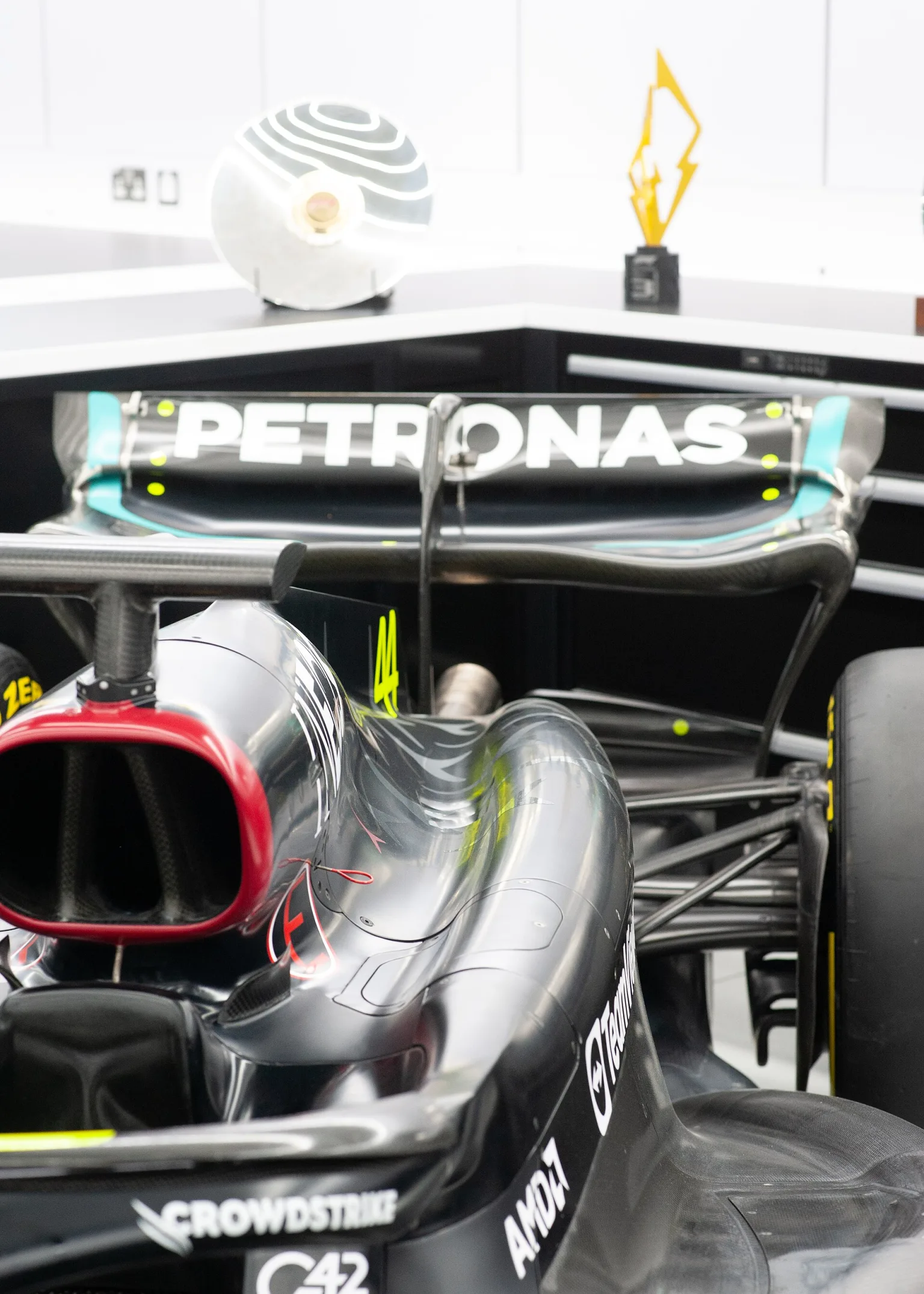
Bernie Ecclestone has declared his intention to disrupt what he describes as a “Siamese twins” relationship between Mercedes and Ferrari, arguing that the two manufacturers are acting in concert to the detriment of competition in Formula One. Speaking in December 2015, Ecclestone said both teams had refused to supply engines to Red Bull Racing, which he believes has contributed to a lack of genuine rivalry at the front of the grid.
Ecclestone argued that Mercedes’ decision to supply engines to Manor but not to Red Bull was motivated by a desire to limit the competition at the front. He suggested that both Mercedes and Ferrari have an understanding not to undermine each other, with technical cooperation between the two cited as a reason for Ferrari’s improved performance. “It’s like they’re joined-at-the-hip Siamese twins. One does nothing without the other,” Ecclestone said, based on what he had been told by paddock sources.
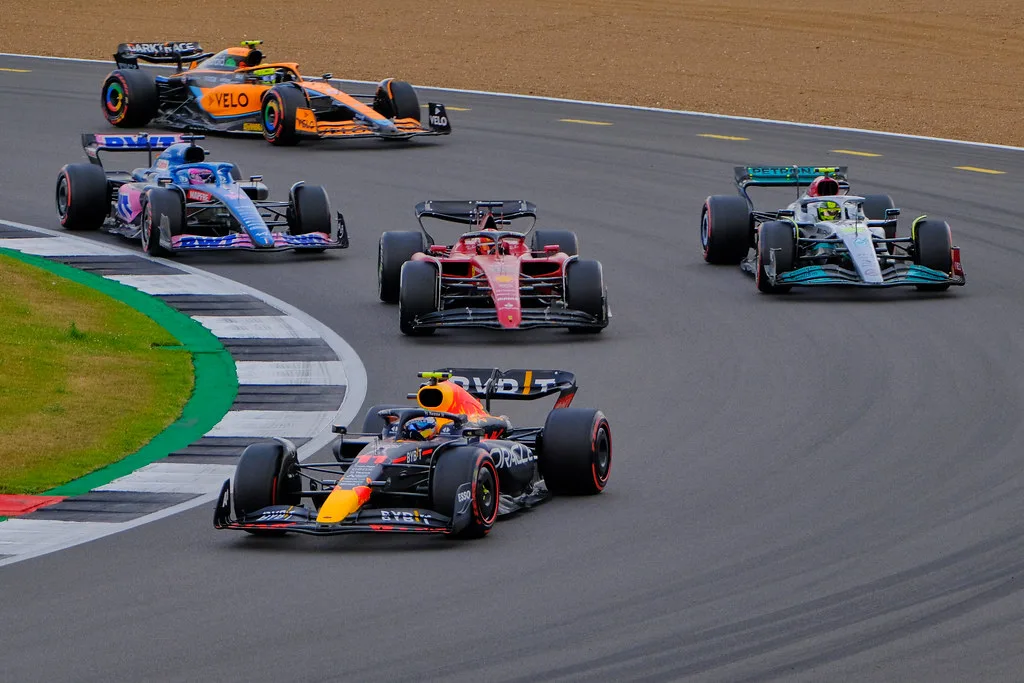
This alignment, according to Ecclestone, risks putting Formula One’s competitive balance in the hands of just two teams. He described the situation as unsustainable and confirmed that the FIA, under president Jean Todt, had recognised the issue. The governing body issued a rare mandate, giving Ecclestone the authority to enact changes without the usual consensus from teams and manufacturers.
Possible changes to F1 governance and engines
Asked about his next steps, Ecclestone indicated that abolition of the F1 commission and strategy group was under consideration, though he stopped short of confirming immediate action. He said the priority was to introduce a simpler and more affordable engine formula that would allow independent suppliers such as Cosworth to compete on a level playing field with the manufacturer teams. This would reduce the influence of Mercedes and Ferrari over the technical direction of the sport.
Ecclestone acknowledged that Ferrari’s well-known veto could be used to block some regulatory changes, but insisted that its scope was narrow. He argued that if the sport’s authorities acted to protect fair competition rather than for commercial advantage, arbitration would likely support their decisions even if challenged by the teams.
Why the alliance matters for F1
The perceived alliance between Mercedes and Ferrari came at a time when smaller teams and independent engine suppliers were struggling to compete, and Red Bull faced the prospect of leaving the sport due to a lack of competitive engine supply. Ecclestone’s intervention, backed by the FIA’s special mandate, was aimed at preventing a duopoly from controlling the sport’s direction and ensuring that Formula One remained attractive for fans and viable for independent entrants.
The debate over engine supply and governance continued into early 2016, with Ecclestone and the FIA pressing for changes that would open up the sport and reduce the risk of a closed shop at the front of the grid. The outcome would have implications for teams, suppliers and the competitive spectacle of Formula One.