Saab Faces Bankruptcy as Chinese Government Blocks Rescue Loan
Saab’s last hope for survival in October 2011, a €70m bridge loan from Chinese firm Youngman, looked set to collapse after reports of a Beijing veto.
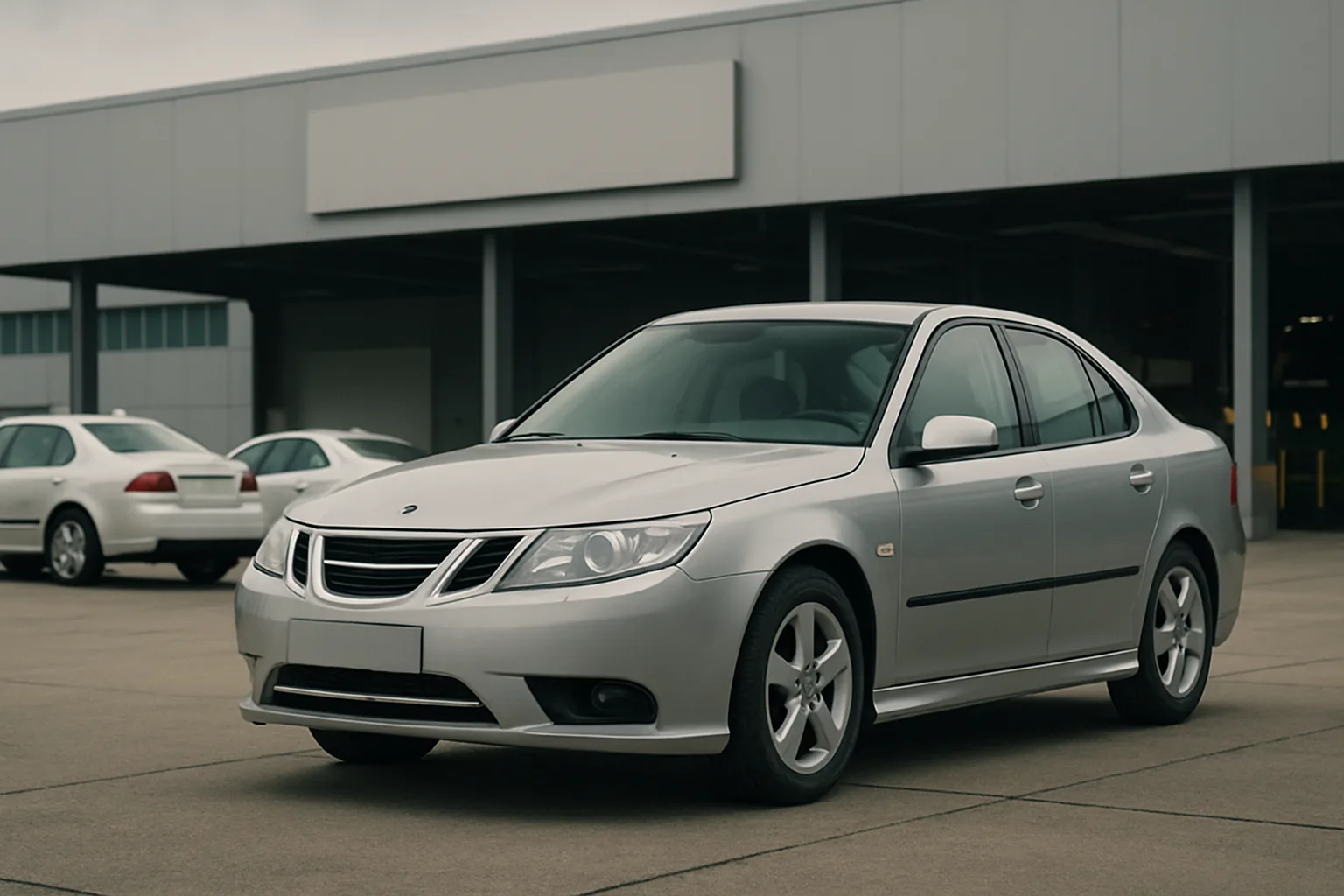
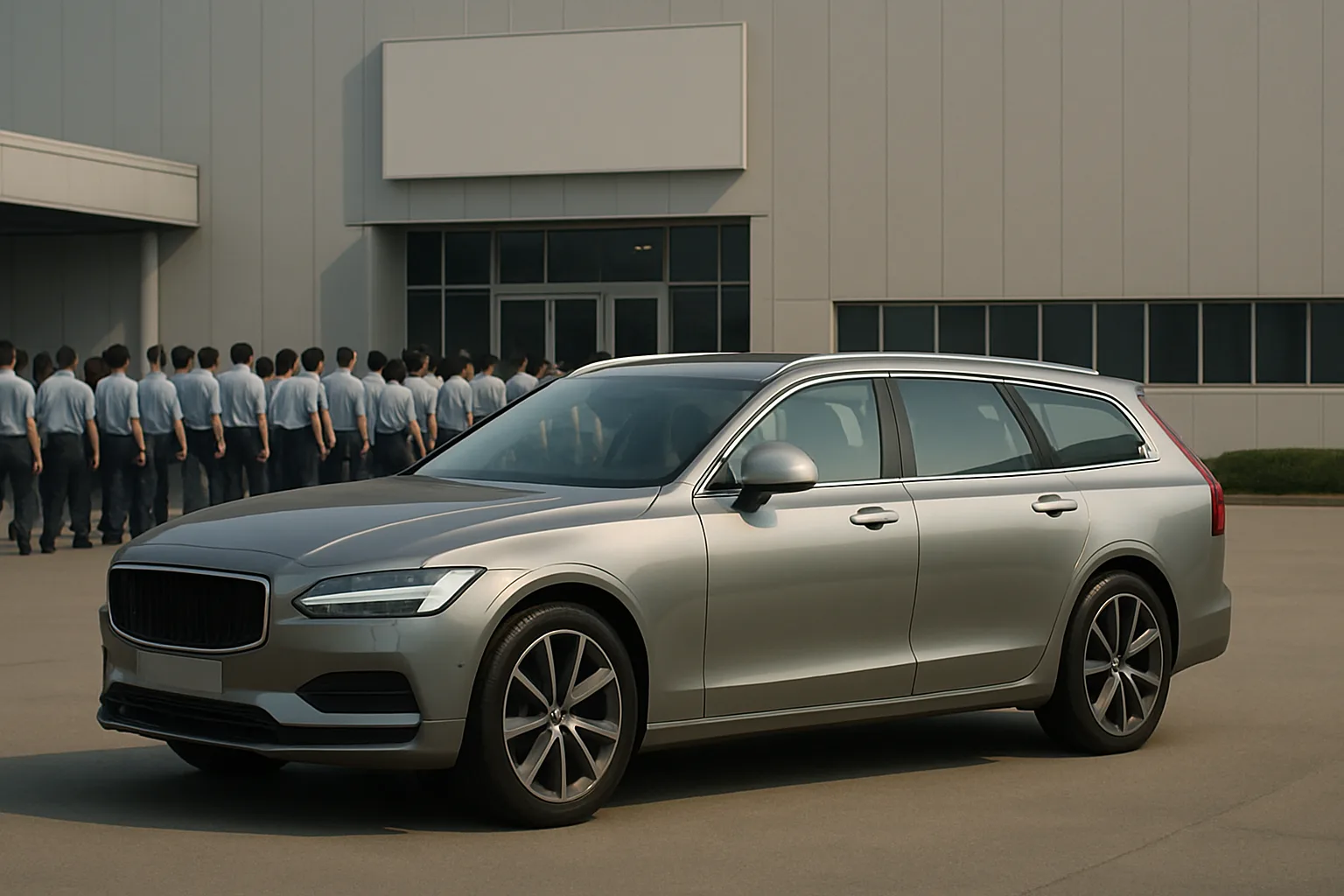
Saab’s struggle for survival in October 2011 reached a critical point as reports emerged that the Chinese government would block a vital €70 million bridge loan from Youngman, the Chinese car firm that had agreed to provide emergency funding. Without the loan, Saab faced immediate bankruptcy, ending months of attempts to keep the Swedish marque afloat after its split from General Motors.
Chinese government blocks Youngman loan
The rescue deal hinged on the Chinese authorities’ approval for Youngman to transfer funds to Saab. According to Swedish newspaper Svenska Dagbladet and reports relayed by Autocar, Beijing was set to block the loan because the agreement involved no transfer of intellectual property rights, an issue that had previously complicated Chinese investments in Western carmakers. Without the cash, Saab’s restructuring under court protection would almost certainly end in bankruptcy.
Saab spokeswoman Gunilla Gustavs said at the time that the company was still expecting the loan to come through, but would not comment on when the money might arrive or how long Saab could survive without it. The administrator overseeing Saab’s restructuring, Guy Lofalk, was reportedly considering pre-empting the Chinese decision and moving directly to bankruptcy proceedings if the loan did not materialise.
No support from Swedish government or EIB
The Swedish Debt Office rejected speculation that the government would step in to pay off Saab’s debt to the European Investment Bank or convert collateral into shares. This left Saab with no domestic financial lifeline. The carmaker had already missed wage payments to employees and had not resumed production for months, with mounting debts and no clear path to restart its lines.
Tensions with administrator and future prospects
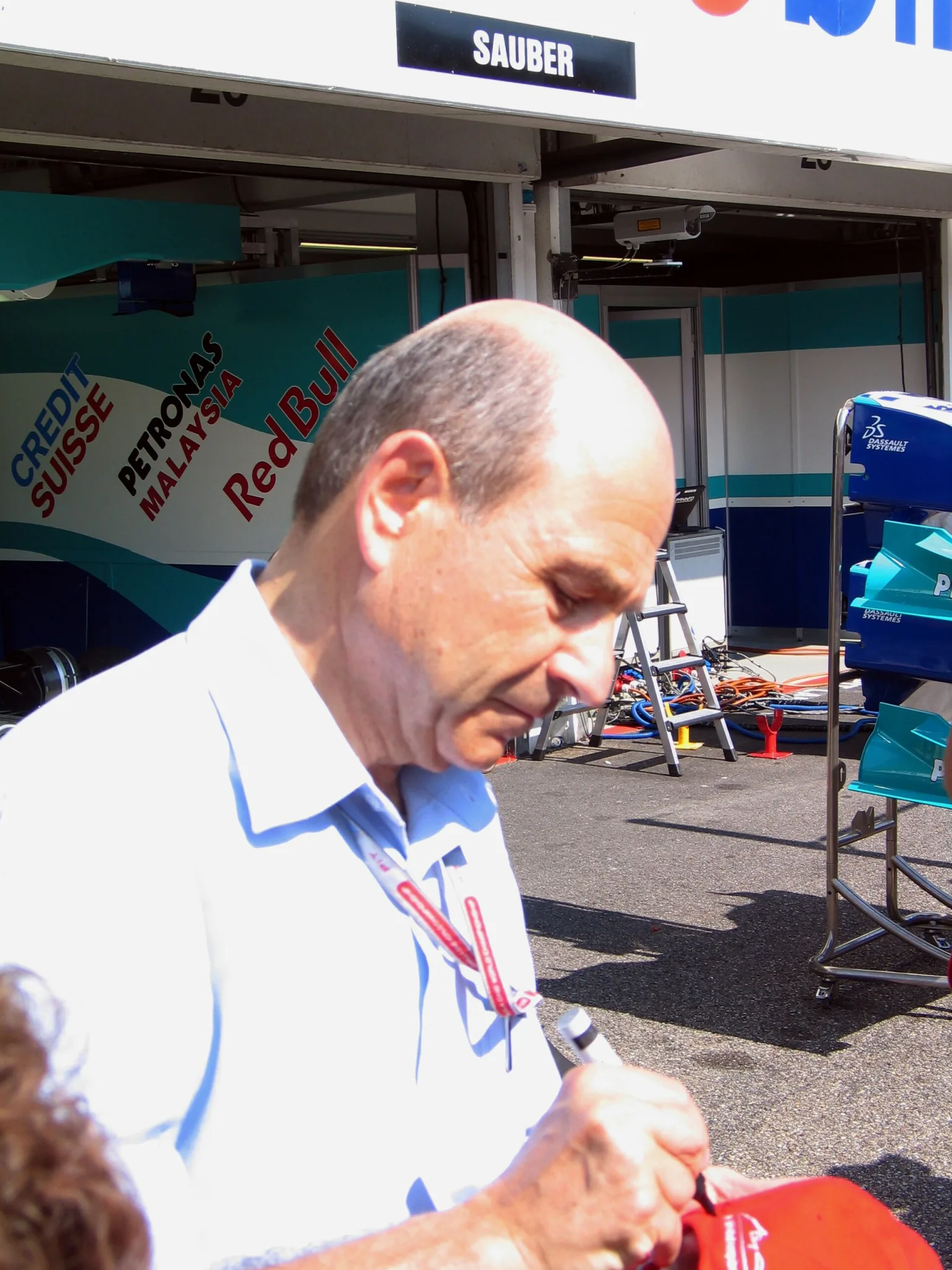
Reports in Sweden suggested friction between Saab management and the court-appointed administrator, with CEO Victor Muller denying claims of internal conflict. Even so, the lack of funding and the apparent Chinese government veto left Saab’s fate hanging by a thread. If bankruptcy was declared, it would mark the end of a turbulent period that began with General Motors’ decision to sell Saab in 2010 and saw a series of failed rescue attempts.