Tesla considers European and Asian plants to meet rising demand
Elon Musk says Tesla is planning factories in Europe and Asia to support future mass-market electric car production as Model S demand outpaces current capacity.
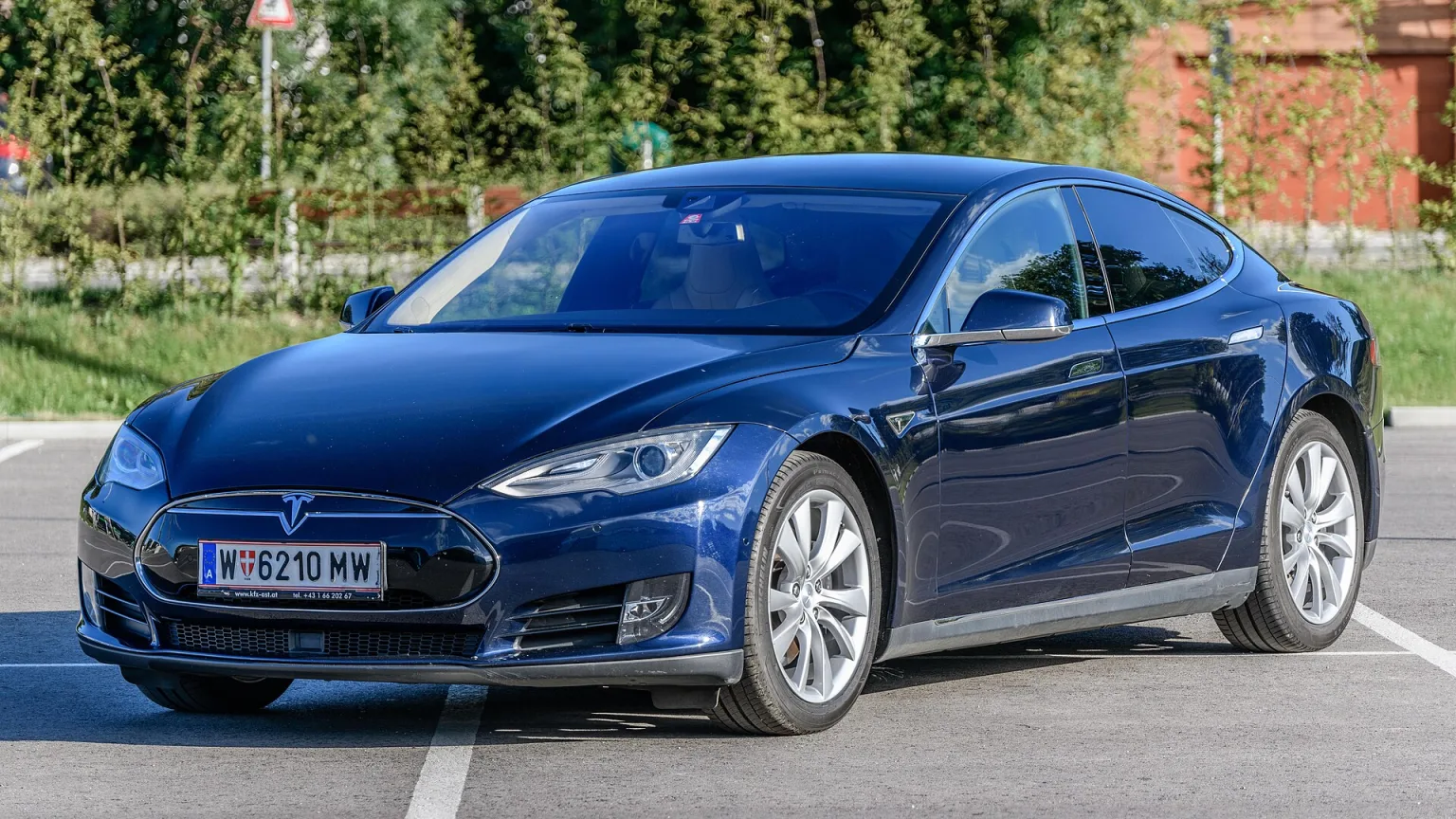
Tesla is preparing to expand its manufacturing footprint beyond California, with CEO Elon Musk stating that the company expects to build new plants in Europe and Asia to meet anticipated demand for future mass-market electric vehicles. The move comes as the company’s Fremont facility runs at full output and global interest in the Model S continues to outstrip supply.
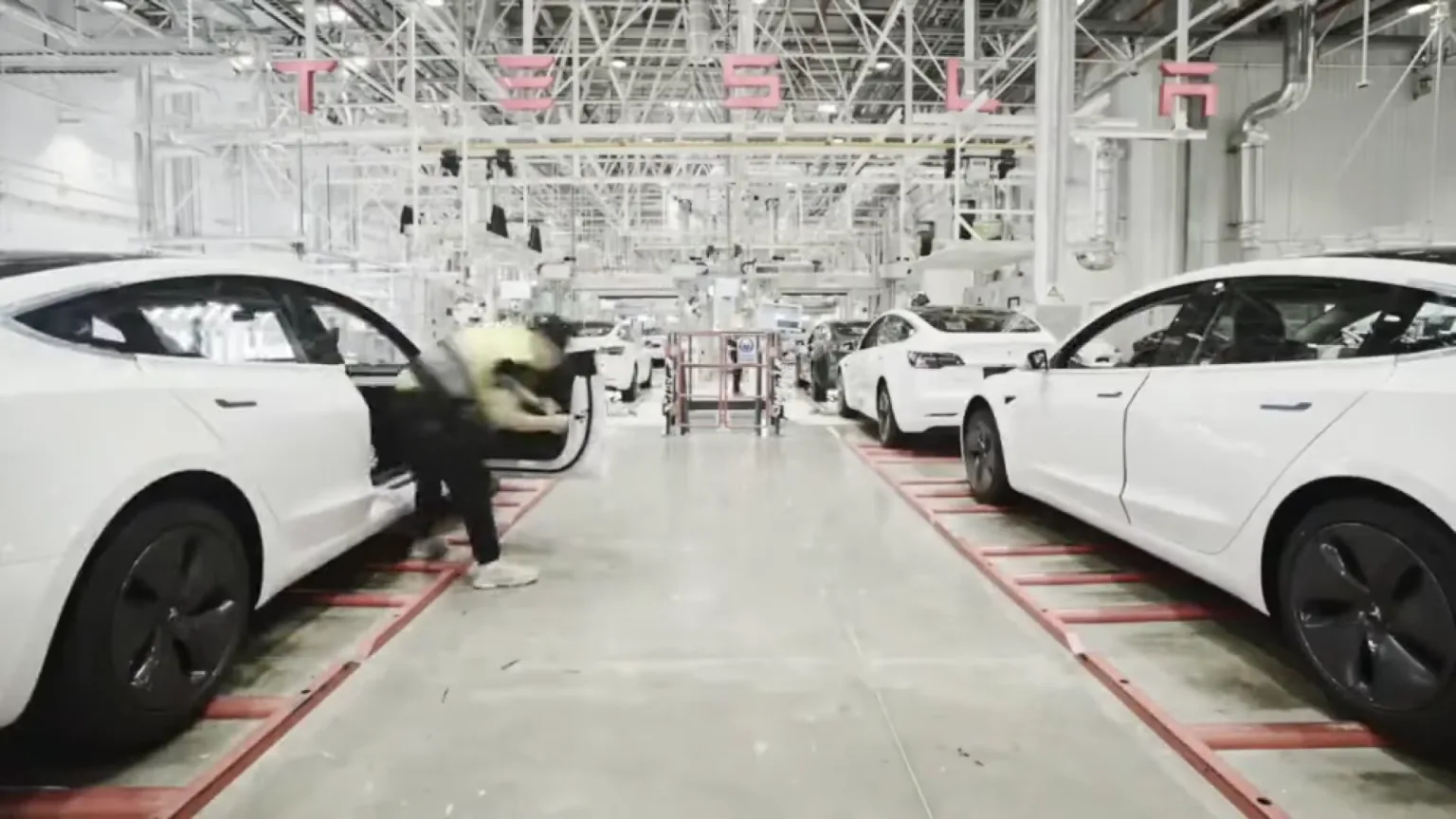
The Fremont, California plant, which has a theoretical capacity of up to 500,000 vehicles a year, is currently focused on producing the Model S premium sedan. Tesla aimed to build at least 21,000 Model S units in 2013, with plans to double that output the following year. However, Musk said that the introduction of a smaller, more affordable electric car, expected to be priced at about half the cost of the Model S, would require additional assembly plants closer to key markets.
“We’ll try to locate those close to where people are, close to where the customers are, to minimise the logistics costs of getting the car to them,” Musk said. He indicated that, over the long term, Tesla could establish factories in Europe, other parts of the US and in Asia.
European and Asian production plans
Tesla has not yet provided details on the scale, timing or investment required for these new plants. At present, the company operates a small facility in Tilburg, Netherlands, which assembles Model S components shipped from California for European customers. This approach has allowed Tesla to begin selling in Europe while keeping major manufacturing in the US.
The expansion into Europe and Asia is driven by expectations of high-volume sales from a future mass-market electric car. While the Model S targets the premium segment, Tesla’s strategy is to broaden its appeal with a lower-priced model. This would put pressure on logistics and production capacity, making regional plants more attractive for both cost and supply reasons.
No timeline for new factories
Musk has not disclosed when or where the new European or Asian plants will be built, nor the level of investment involved. The company’s focus remains on scaling up output at Fremont and supporting European sales through the Tilburg operation. The pace of expansion will depend on how quickly Tesla can bring its mass-market model to production and how demand develops in key markets.
Implications for buyers and industry
For buyers in Europe and Asia, local production could mean shorter delivery times and potentially lower prices due to reduced shipping and import costs. For Tesla, regional plants would help manage logistics and currency risks as the company shifts from niche to mainstream volumes. The move also signals growing confidence in the global electric vehicle market, as Tesla prepares to compete directly with established brands in their home territories.